Getting to yes

What was your first “big yes” in your career? My first journal acceptance (well, at a journal that wasn’t at the university or one where I wasn’t sleeping with the editor) was probably The Antigonish Review. It felt like a big thing at the time. The next time I remember being excited by a yes was Granta. I have reserved a future happy dance (3 minute time limit) in case a New Yorker publication comes down the line. Otherwise it’s all sort of…. meh.

When I think of the first Big Yes, I think of the moment that marks the first big shift, either external or internal, in the trajectory of a writer’s career or their understanding of themselves as a writer. I’ve carried the question with me through my own development as a writer, because, in an industry that oftentimes feels obsessed with national awards and accolades, most-anticipated and bestseller lists, it’s easy for me to convince myself that when I get there—wherever “there” may be—I will have finally made it. That “there” will be the achievement that defines or legitimizes my career as a writer.

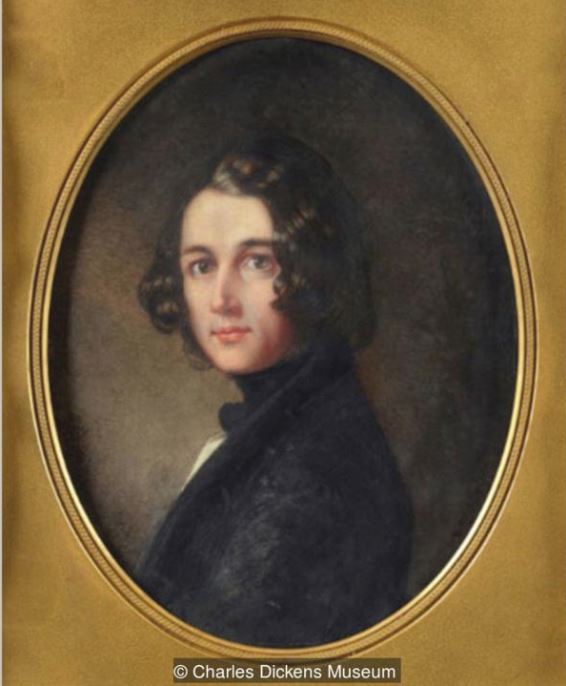
I say, I say, that boy is pretty as the Dickens

An interesting piece on the artist who painted a young Dickens then lost the portrait.

Both Southwood Smith and Gillies shared a desire to bring about changes in society. They were champions of the poor, and actively worked to alleviate suffering. Southwood Smith, who was 15 years older than Gillies, worked on the Poor Law Commission, wrote reports for the government on sanitation and poverty and sought to meet likeminded people who could help with his campaigns. One of those was Charles Dickens, and it was probably through this friendship that Gillies came to paint Dickens in the autumn of 1843. This was when Dickens was writing what would become his most famous book, A Christmas Carol.

Saskatchewan: hotbed of bookbinding action

Who would have thought Saskatchewan would be at the forefront of all this book-making? The only people who can give librarians a run for their sexy literature stardom is artisanal book binders. (Video also at link.)

Canham learned bookbinding 15 years ago after attending a “Friday night without a date” event at a bookbindery in Toronto. 

“I just got hooked at that bookshop,” she said. 

Engaging in a craft that’s more than a thousand years old is “mind-blowing” for Canham.

Top 10 books about toxic masculinity

Speaking of shitty poets…. What other (Canadian?) books would you add to this list of books about how shitty men can be when they buy in to the worst aspects of the patriarchy.

Toxic masculinity has become something of a buzz phrase, employed to describe and explain everything from poor dating etiquette to mass shootings and the abuses highlighted by the #MeToo movement. But, as with any buzzword, it is important to be clear in one’s definition. Toxic masculinity can be said to be the social pressure to conform to traditional ideals of masculinity, which privilege aggression, elevated class status and the suppression of emotions. For many, adherence to these narrow, oppressive expectations about what it means to be a man will logically express itself in the most grotesque ways.

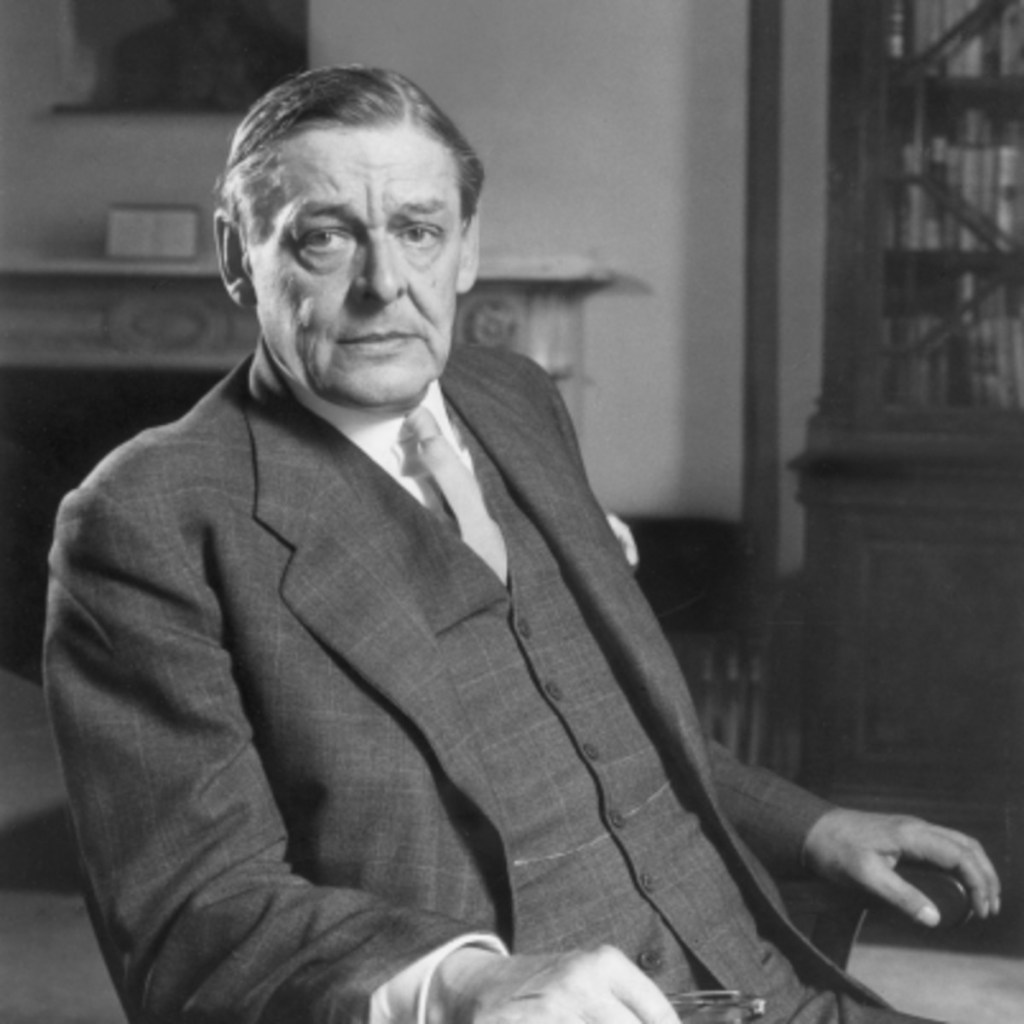
Breaking: Male poets have always been jerks

So, I’ve been sitting on this TS Eliot thing with his creepy response to finding out he might have to pay something in reputation for his unwanted romantic attentions, wondering how best to phrase it in a climate where men (in our own literary community) are being outed on a monthly basis for toxic (and sometimes violent) behaviour towards women. That headline was the best I could come up with.

The sins of misogynistic poets past must not be so easily forgiven. The gift of verse should not, as it has for so long, deliver undeserved immunity to the estimation of character and its shortcomings.

In the Eliot-Hale case, Eliot’s statement exposes how his estimation of a woman he loved tanks precipitously when he learns she is about to release correspondence he would rather not have released. “You have made me perfectly happy: that is, happier than I have ever been in my life” writes Eliot in one of the 1,131 letters to Hale. Petulant and sulky in his statement by contrast, he alleges instead that “he and Emily had very little in common.” Had he stayed with her, he tells us, he would have ended up not as the author of “The Waste Land” but as a “mediocre professor of philosophy.”

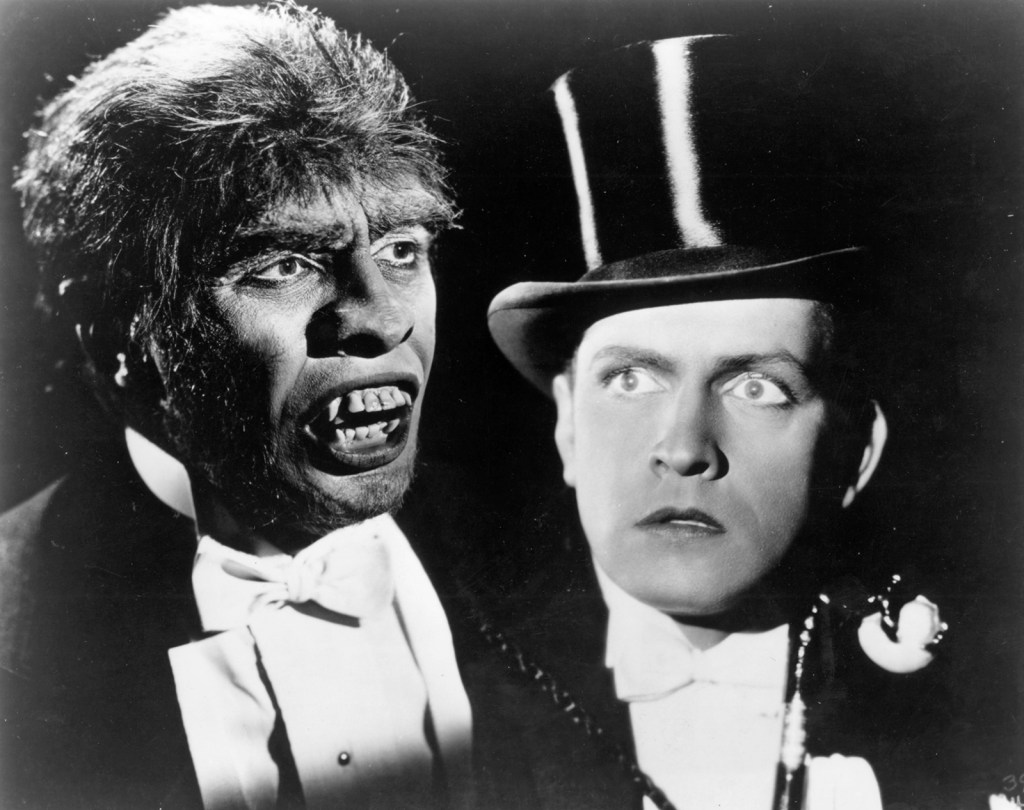
Best (worst?) villains in literature

I’m just glad the kid from The Giving Tree made it onto this list. Selfish little monster. Who would you add to this list? I’d add the “ocean” (or human hubris, whichever you think the bad guy) in Stanisław Lem’s Solaris. Terrifying and fascinating. Utterly alien even as it tries to communicate.

Villains are the best. We may not love them in our lives, but they’re often the best part of our literature—on account of their clear power, their refusal of social norms, and most importantly, their ability to make stories happen. After all, if everyone was always nice and good and honest all the time, literature probably wouldn’t even exist.

Women writing spy novels

Like almost every other aspect of culture, women are swimming upstream. But this article argues the time for change is at hand. Is a change coming to Tesco?

Back in 1995, though, Lynds sent her debut spy thriller Masquerade to a New York publishing house. Its president, she told the Wall Street Journal, at first agreed to buy it, but changed her mind the following day. “Her reason? ‘No woman could have written this novel’,” Lynds told the WSJ. She went to another publisher, and it became a bestseller.

“I hope no one would say that now,” says Manda Scott of Lynd’s experience. Scott is qualified to speak on the topic: the spy thriller author won the McIlvanney prize for best Scottish crime book of the year for A Treachery of Spies. Disclaimer: I judged the McIlvanney, and A Treachery of Spies blew me away: it’s ridiculously gripping and complex. Scott is also the author of a series of spy novels set in ancient Rome, which were published under the name MC Scott – a deliberate decision by her publisher before the first, Rome: The Emperor’s Spy, was published in 2010. “They made my name gender neutral because somebody had said ‘nobody in Tesco will buy a spy book by a woman’,” says Scott. “I don’t think that would happen now. Publishing has become much more gender-blind. If it’s a good book they’ll publish it, whereas before it was: ‘Only blokes can write this’.”

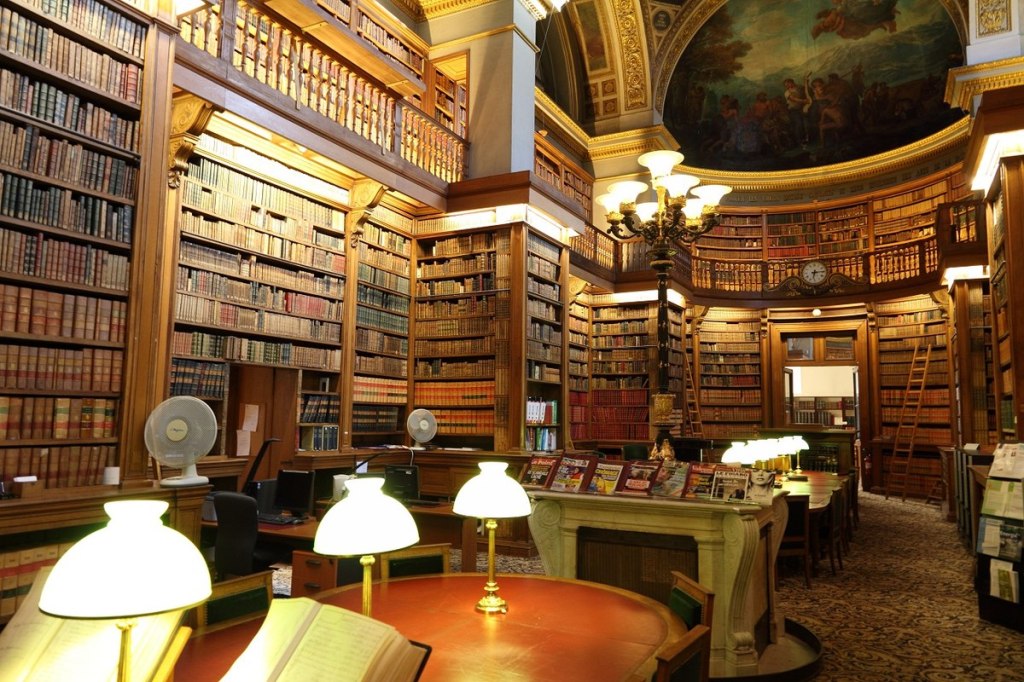
When InterLibrary loans ruled the earth

My understanding is that the InterLibrary loan is now known as “The Internet”. But I might be mistaken. Regardless, they are important to fabric of western life, says this LitHub article.

InterLibrary Loan services are sometimes included in library budget cuts—the perception being that the service is not essential—but as Heather Robinson, chief executive of the St. Thomas Public Library in St. Thomas, Ontario said when their service was cut, the loss of InterLibrary Loan affects rural communities the most. The same is true in America—where swaths of people need libraries for internet access, let alone the wealth of knowledge afforded by a book sharing service. InterLibrary Loan is also essential for the democratization of research: you would be hard-pressed to find an acknowledgments page in a book of academic scholarship that doesn’t include the phrase “interlibrary loan.”

I grew up in rural Ontario and this was never even presented as an option to me. So I got a job at Coles and used my discount to fill my room with “liturniture” (piles of books which I used as everything from coffee tables to chairs.) Also, my library didn’t look like this ^^. It looked like Costco shelving in a 1970s rec room reno.

Romance writers group cancels awards amid racism controversy

I learned two things today: 1) The Romance Writers of America cancelled their yearly RITAs awards due to a raging racism problem, and, 2) there was a yearly awards event called the RITAs.

“Due to recent events in RWA, many in the romance community have lost faith in RWA’s ability to administer the 2020 RITA contest fairly, causing numerous judges and entrants to cancel their participation,” the organization said in a statement Monday. “The contest will not reflect the breadth and diversity of 2019 romance novels/novellas and thus will not be able to fulfill its purpose of recognizing excellence in the genre. For this reason, the Board has voted to cancel the contest for the current year. The plan is for next year’s contest to celebrate 2019 and 2020 romances.”