
Is the first edition always the best?
My only foray into this world has been an expensive one. I have all of Geoffrey Hill’s poetry books in first edition, including some super-rare small editions. A couple of them were pricey because I was late to the Hill game, but having started reading him back in the 90s and crowing about him ever-after on Bookninja in the “Aughts”, I was lucky enough to have a rare book dealer who was a regular reader send me half a dozen of the earliest texts as a gift when he closed down his late family antiquarian bookstore. Boo. But I gave them a good home, and really they just got me hooked. A couple of them were hard to find, and two were quite expensive. But now I have them and… wait… what do I do with them now? Look at their spines without touching them, apparently. And tell you I have them so you can be impressed by my reading level, tenacity, and apparent lack of concern for money. Hill would have hated me. For a number of reasons, but this is certainly among them.
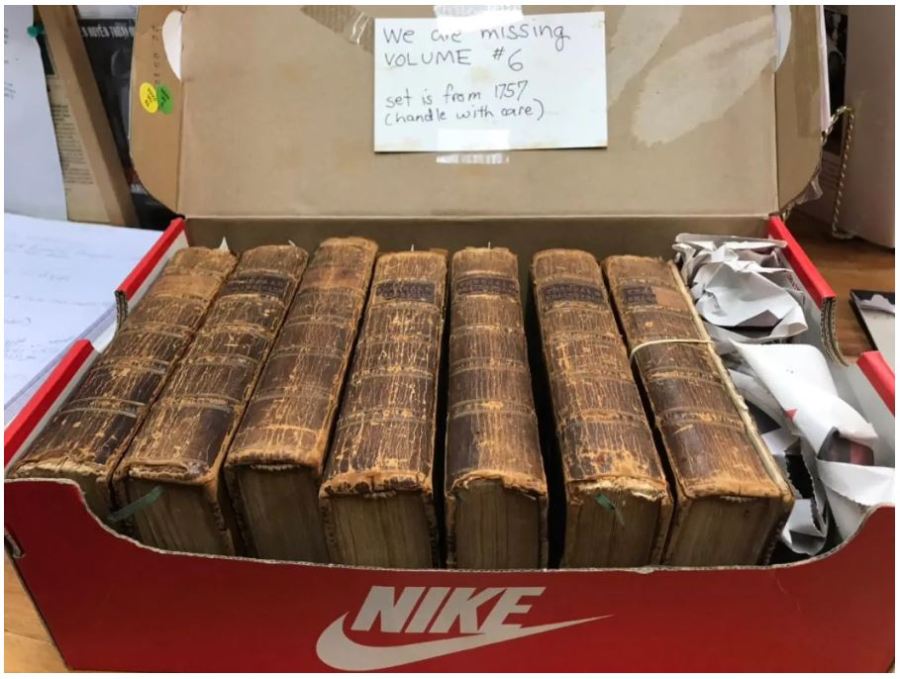
Rare is really a measure of how easily obtainable a book is, said Matthew Haley, head of books and manuscripts division at the noted British auction house Bonhams.
“What makes a book collectible is another matter,” he said. “It will usually be desirable to collectors because of its subject matter say, chess or ornithology; its author or illustrator, Charles Dickens or E H Shepard; when and where it was printed; or something special about the physical book itself like its binding or its previous ownership.”
First editions aren’t always the most valuable and sought-after, as some would believe, according to R Arvid Nelsen, chair of the Rare Books and Manuscript Section of the Association of College and Research Libraries in Minneapolis in the US.
“Many people have bought into the idea that first editions are inherently more valuable,” he said. “A lot of it has to do with marketing.”
 Bookninja