You made it! High five. As of 5pm, your only job is to forget you have a job until Monday morning at 6am. Good luck! Yesterday marks a year since Bookninja reopened its “doors” to the public. Hope you’re enjoying.
Ninja pal Heather O’Neill and her daughter Arizona have made a two minute video that’s worth your time on how to write a novel. And like pretty much everything Heather O’Neill is involved with, it’s delightful. She’s a fucking delight. There’s no other way to really say it. The woman is a font of wonder and bizarre delight. I sometimes suspect she’s actually a fey creature from another realm.
Here’s a little video @ArizonaONeill made for a CBC “How To” series. My topic was How to Write a Novel. We summed it up in two minutes! pic.twitter.com/dO1p1VE3Nd
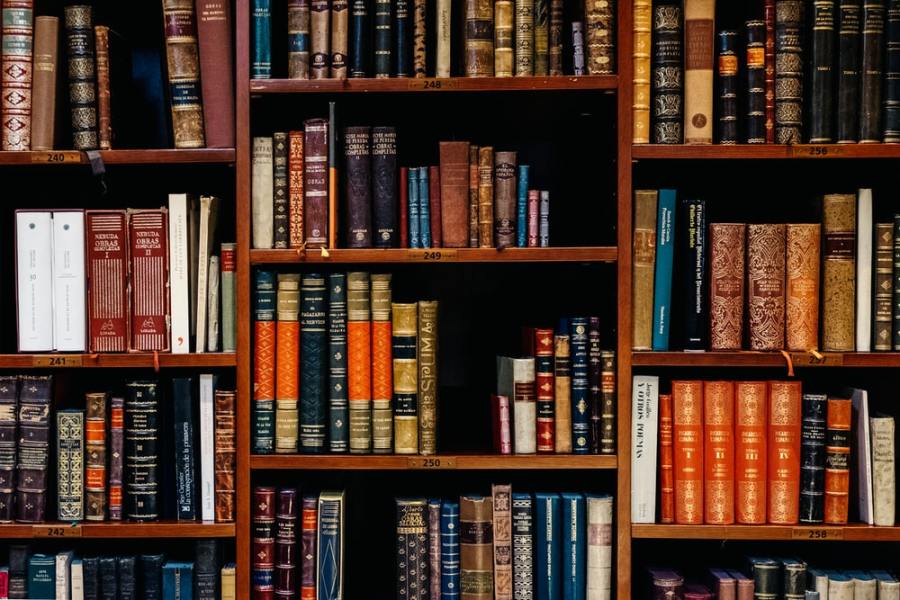
This guy finds the trend of surrounding yourself with books you haven’t read shameful. He feels fraudulent because he hasn’t read everything he owns. I find it comforting to have not read everything. Pure potential. It’s like my decorations are things that I can engage with at any second. Will I eventually read them? Probably not. Not all, anyway. I have too many other obligations: friends and colleagues to read, my own interests and predilections to indulge in, life in a post-apocalyptic wasteland to run around in on my computer. But those books are THERE, regardless. Ready. Waiting for me to need them. Or to get bored and start browsing. Snowstorm? Books by the fire. Broken leg? Books by the fire. Power outage? Books by the fire. The point is, they’re readable, not that they’re read. It’s a very reliable medium. All I have to do is keep my eyesight. Still, I could spend some more time on it, couldn’t I?
It is nice to have a wall full of books. Being signallers of great intellectual virtue, bookshelves are enjoying their moment in the sun, choicely lit in the background of a thousand Zoom interviews on TV. The sight of my shelves gives me limited pleasure, as I am reproached by the spines of so many books I have never actually, you know, read. It’s cheating, that’s what it is. You should only be allowed to display books you have finished, or at least got more than halfway through. Watching some opining clever dick on a news channel, with hundreds upon hundreds of weighty tomes displayed behind them, I find it impossible to concentrate on anything this intellectual fraud is saying. “You can’t have read them all!” I yell, throwing one of my own unread Grantas at the screen. “You haven’t been alive long enough to have read them all.”
Over the weekend, I met a nice guy at whom I couldn’t throw any paperbacks for this crime because he has done a deal with himself to get through all his unread books before he buys any more. J
No! It’s not a depressing post. It’s about what happens to our books when we accidentally (on purpose?) leave them behind in public places. I call the phenomenon of things lost and found in public places like train stations, taxis, restaurants, parks, etc, “The Great Umbrella Exchange”. It’s an economy predicated on need. The rain stops or starts and you forget your umbrella or sunglasses because they are not needed at the moment. You finish a book, same. Eventually, someone else picks up whatever you lost when they do.Of course, none of this holds true for my hometown of Belfast where anything left behind triggers a bomb squad call. An offshoot of this is “The Great Charger Exchange”. You’ll thank me for this one. If you travel (travelled) regularly for work and sometimes forget your phone charger, just go down to the hotel desk and say, “I stayed here a while back and left a Samsung phone charger in my room. Can I check the lost and found for it?” Bingo. Then when you do leave, leave the charger behind. Good karma.
I have a bad habit of leaving books behind as I travel. Once I’ve finished with them, and as long as they’re not library books or books I’m sure I’ll reread, they feel like a physical burden. I’m reluctant to tote these along on lengthy travels. So I’ve spontaneously left books in hotels, trains, and buses, in addition to the more usual suspects (little free libraries, charity shops, waiting rooms, with willing friends, and my office).
I’ve always guiltily hoped that the books wouldn’t be discarded, but have had no proof of this. A hotel receptionist once told me, clutching the book to her chest, that she would read the China-set sci-fi novel (Maggie Shen King’s An Excess Male) I’d just finished and left in my hotel room. Another time, after having been unexpectedly given some terribly erudite books on international relations that I knew I’d never get around to reading, a colleague told me that the hotel cleaners should be able to sell the tomes I’d left in the room.
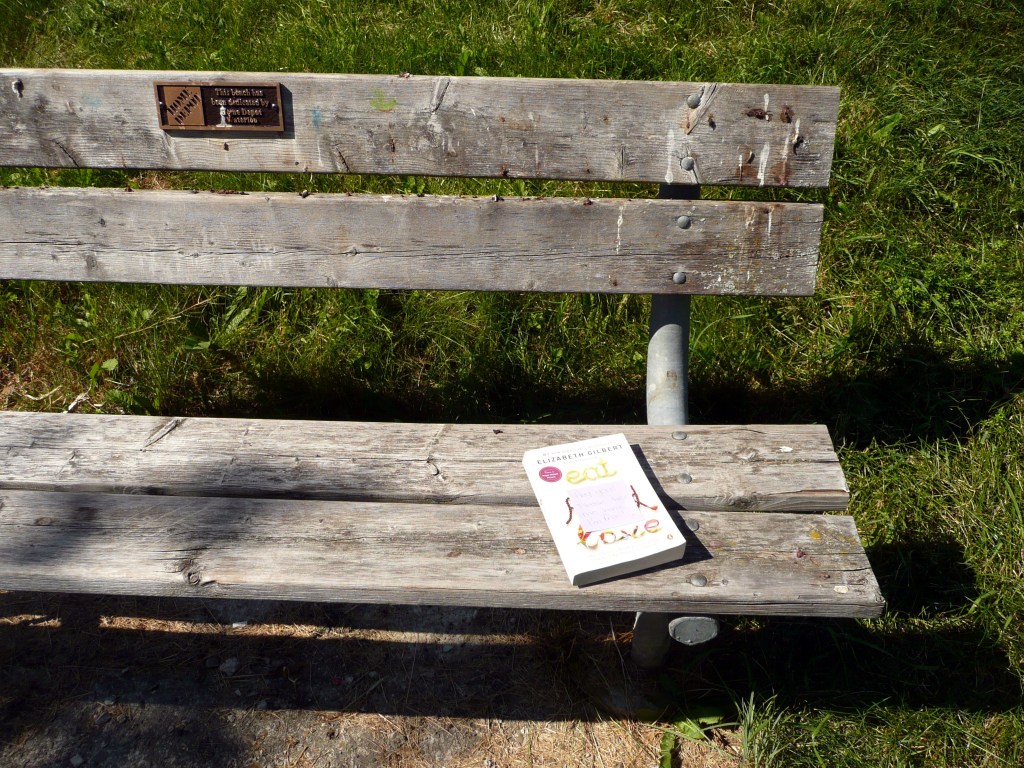
So I admit that I’m an unscrupulous discarder and regifter of books. And I’m likely not the only one, as I’ve found books in some unlikely places as well (most recently on a park bench).
Kids went back to school here today! Tuck this article away for four weeks from now when they’ll be home again because no one is willing to spend the money on new ventilation systems for indoor spaces!;
NPR has a fascinating interview with psych prof Katherine Kinzler on how language creates or enables and supports discrimination. And it starts right away in young children. The main interview is audio, but there are excerpts below the player.
On the issue of speech discrimination
For people who speak in what others perceive as being a non-native or a non-standard way of speaking, often that can feel as if people are judging you. And in fact, people might be judging you. But so much of our understanding of communication is bidirectional. It’s about the listener, too. And so there’s a lot of evidence that when somebody doesn’t like the way somebody’s speaking, or thinks that they’re speaking in the wrong way, they can shut down as a listener and stop trying to listen. And so in that sense, people can really overlook qualified people in employment contexts and in many different contexts in life, because they think they’re not doing a good job communicating, when in fact the person listening might not be doing a good job listening.
Welcome to the first of three or four weeks you’ll get with your kids in school before all Hell breaks loose and the numbers of infected rise like a zombie film with a really low FX budget. Wait, is this the zombie apocalypse? It’s just tired teenagers and whining middle schoolers. And none of them want brains. Not even their own. Huh.
What is the difference between a myth, a legend, and a fairy tale? Easy: the first is the rumour that went around on that Monday in Grade 11 that you had to have your stomach pumped on Saturday night after calling your girlfriend’s dad a pedophile as he tried to pick you up out of pile of cow manure at that field party, the second is the series of events that culminated in what you did to end up in the shit at that field party, and the third is that you never suffered any social repercussions from the fallout of that field party;
You have some choices here: follow this link to watch live, or at least lie on the couch reading a website on the Large Hadron Collider making matter out of light while dreaming all that could be good or bad about this while registering somewhere in the back of your vaguely disinterested brain that you should check back here tomorrow for details. For instance.
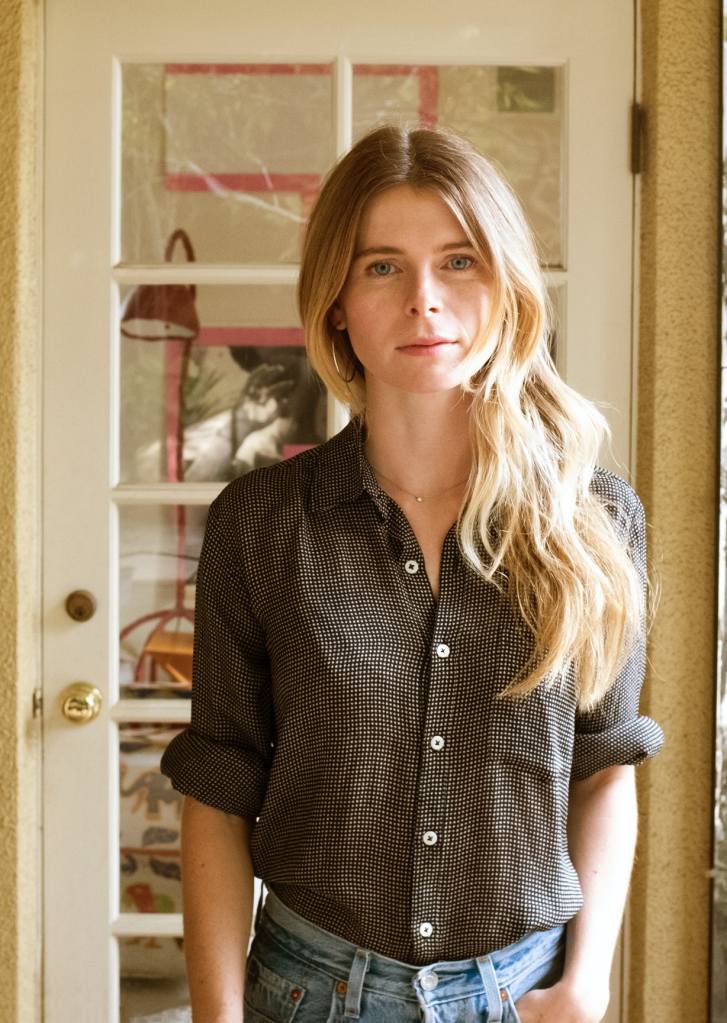
Emma Cline took a shallow, yet harrowing dive into the Hellraiser-like horrors of the MRA reddit in order to write her new book of short stories (that we will be ordering today) Daddy. Back in the late 90s and early 2000s, when I was still writing short fiction, I wrote an entire book from the perspective of various terrible men: rapists and rape apologists, pseudo-pedophiles, abusive misogynists, homophobes, murderers, racists, etc. It was a deeply uncomfortable experience, and even though I had an offer to publish it with a major house, I declined because I thought: what am I missing here? I didn’t have anything to fear from these guys, really. It was an academic exercise for me, this searching for the person inside the monster. Given how awful it felt writing it myself, I can only imagine what it must feel like for someone with something to actually lose. Funnily enough, I recently thought about those stories and decided that I can’t revisit them because now that I have children, I actually do have something to lose. Bustle has the interview:
It’s something that the culture has forced upon us anyway. Just the amount of time and energy people spend trying to understand what is going on in Trump’s mind. Or when you read these Me Too stories where an entire workplace had to translate the actions of this one man. The amount of fallout from one person’s interiority and moral compass is interesting to me. With Harvey [Weinstein] for example, there was this intense focus on him as this villain. I think news stories by necessity have to kind of flatten people into archetypes just because they’re telling us what happened. It’s not the place for exploring their motivations. But what I think is more frightening than them just being a cartoon villain is that there’s someone who probably thinks of themselves as a good person.





 Bookninja