Is reader’s block a real thing?

For me, yes… Especially with fiction. Poetry is my “job”, as it were — the writing, editing, teaching, and judging of — so I find it easier to plow on through texts that don’t jazz me. But I’m a slow reader of fiction to begin with, and because it’s more mysterious to me in terms of how it’s working, I get more absorbed in a good book. That said, I sometimes come off a book that knocked my socks off (Klara and the Sun last year and Piranesi this year) and find myself unable to choose what to read next. It’s like when you take a perfect bite of dinner and then don’t want to eat more because that last forkful was so tasty you don’t want to spoil its memory in your mouth. Anyway, it’s not just me, apparently.
It’ll happen to you……

Reader’s block. The struggle is real. Or at least it is for me. I can see it in my reading log. I’ll read a book that I fall in love with so completely — something like Jesse Q. Sutanto’s Dial A for Aunties — and the experience will give me a sort of high. But then it will end and I’ll be at a loss. I’ll read at least seven books I only feel meh about, DNFing god knows how many others, before finally picking up a book that gives me a fraction of the joy that last awesome title gave me. God, I hate reading slumps.

And these past two years, the reader’s block has been even worse. Pandemic-related stress and anxiety have torpedoed attention spans. Our cognitive load — the amount of information our working memory can hold at any one time — has shrunk. “Previously, you might be willing to put that little bit of effort in because you get that extra reward from reading the book,” neuroscientist and psychologist Oliver J. Robinson told the folks at Refinery29. “But if you don’t care about the reward anymore because you’re anhedonic or you’re miserable or you’ve got other things on your mind, then you’re not going to bother.”

Sound familiar, anyone?
Tuesday newsday

Publishing continues to wait for a new normal

Good luck, publishing. Get in line. We’d all like a new normal, but the new normal might just be constant change. In a weird way, I suspect this cultural brushfire will make the entire sector finally wake up and realize the world has changed around us and we need to adapt. It just did it slowly for about 100 years and now it’s really ramped up. I’d like a new normal as well, but as much as the “old normal” benefitted me, I don’t want it to be that. Adversity has always yielded something exciting from the arts sector. Let’s just be thankful that this time it’s not war, oppression, or the Black Plague. Oh, wait, it’s the Black Plague. More of a Dark Ochre Plague, really. Peuce? Something like the colour of the fingertips of that shop kid who wore the Led Zeppelin 3/4 sleeve shirt in high school and who had a whole section of the parking lot for smoking in.

New Normal vs. Old Normal | Lead Read Today | Lead Read Today

The supply chain, an aspect of publishing that is generally overlooked by most in the industry, was the focus of intense interest in 2021. Stories began appearing in early summer detailing how forces connected to the pandemic were causing severe supply chain problems in virtually all industries, especially those that depend on overseas vendors.

Publishing supply chain issues were first brought to the fore in a July 6 BISG webinar, which said truck driver shortages, widespread port congestion, and skyrocketing container costs had already begun to put pressure on the industry’s ability to deliver books in time for the holiday season. Exacerbating the situation were widespread labor shortages that made it difficult for Amazon, Ingram, and other companies that operate large warehouses to find enough workers. The book manufacturing industry was also confronting its own long-standing problem with finding skilled workers, while also dealing with paper shortages, all of which combined to result in capacity issues at printers in the second half of 2021, and experts believe the printing crunch will spill over well into 2022.

To confront the immediate problem of getting books on shelves for 2021, publishers engaged in a juggling act, focusing on timely delivery of their big frontlist titles while delaying the releases of other books. Publishers also looked to move more printing back to the U.S., while also using print-on-demand more often. Speakers at an October 6 PW/Westchester Publishing Services webinar said that the long-term solution of addressing supply chain issues was more automation.

What-year-is-this? news roundup

Welcome to 2022, which is a good year for Soylent Green. It’s hard to believe the pandemic is almost a toddler now. Boy is he ever really getting around on those fat little legs. Please leave the basement door open on the off chance he makes a dash for the stairs.

bonfire & fireworks | Setting things on fire all night long.… | Christine |  Flickr

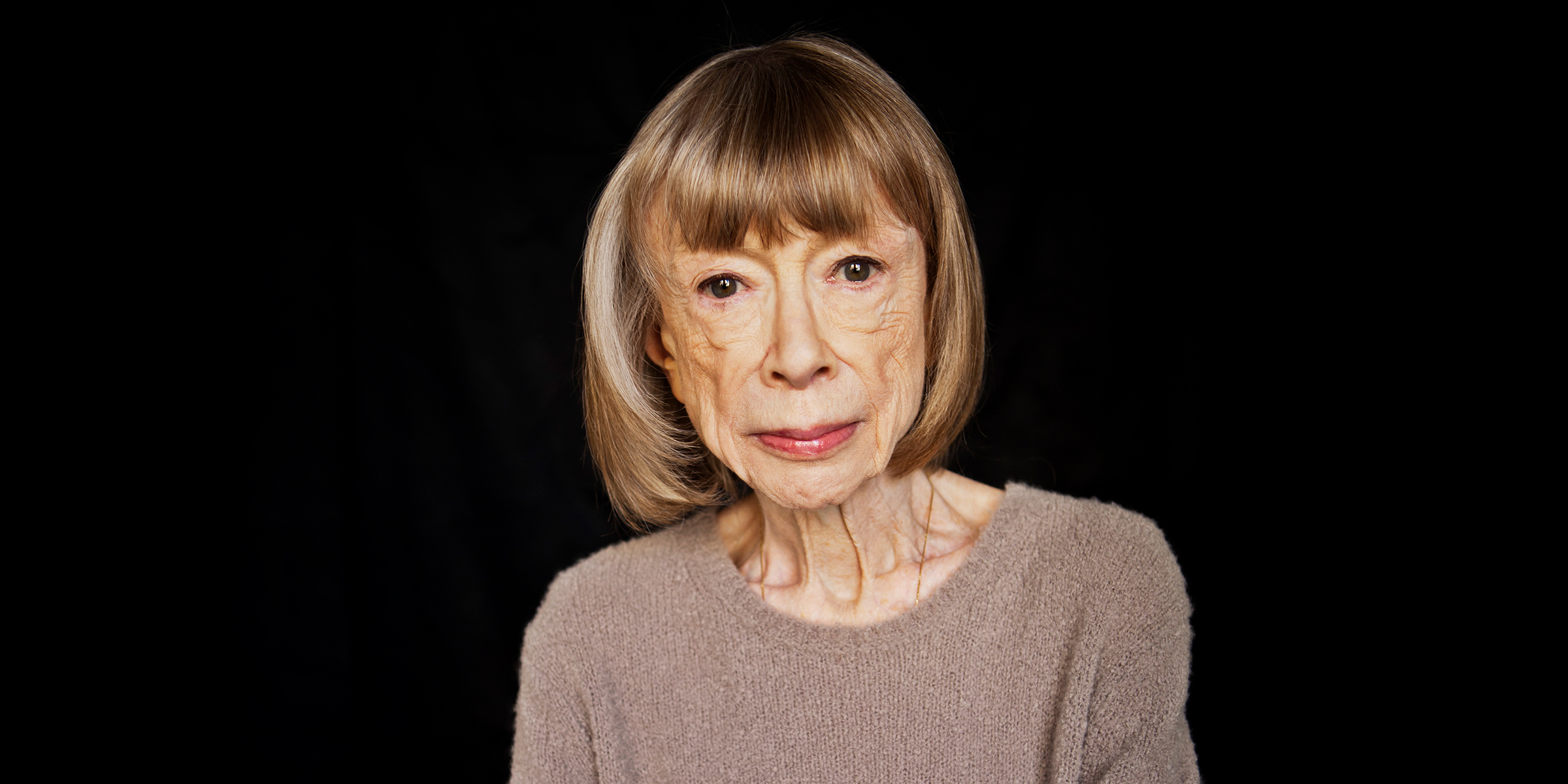
RIP: Joan Didion

Interrupting the holiday break here to bring news you’ve surely already heard: one of the greatest writers and thinkers of the 20th Century has died at the age of 87. New York Times has the obit.

Joan Didion Interview Ahead of Let Me Tell You What I Mean | Time

Her attraction to trouble spots, disintegrating personalities and incipient chaos came naturally. In the title essay from “The White Album,” she included her own psychiatric evaluation after arriving at the outpatient clinic of St. John’s Hospital in Santa Monica complaining of vertigo and nausea.

It read, in part: “In her view she lives in a world of people moved by strange, conflicted, poorly comprehended, and, above all, devious motivations which commit them inevitably to conflict and failure.” This description, which Ms. Didion did not contest, could describe the archetypal heroine of her novels.

Monday pre-madness wrap up

Might take a week or two off to concentrate on not letting the holidays be ruined by the pandemic, etc. If I disappear, that’s where I am and I’ll be back in January. Schools just closed down early here, so let’s see how it goes.

An Oral History of 'Dumpster Fire'