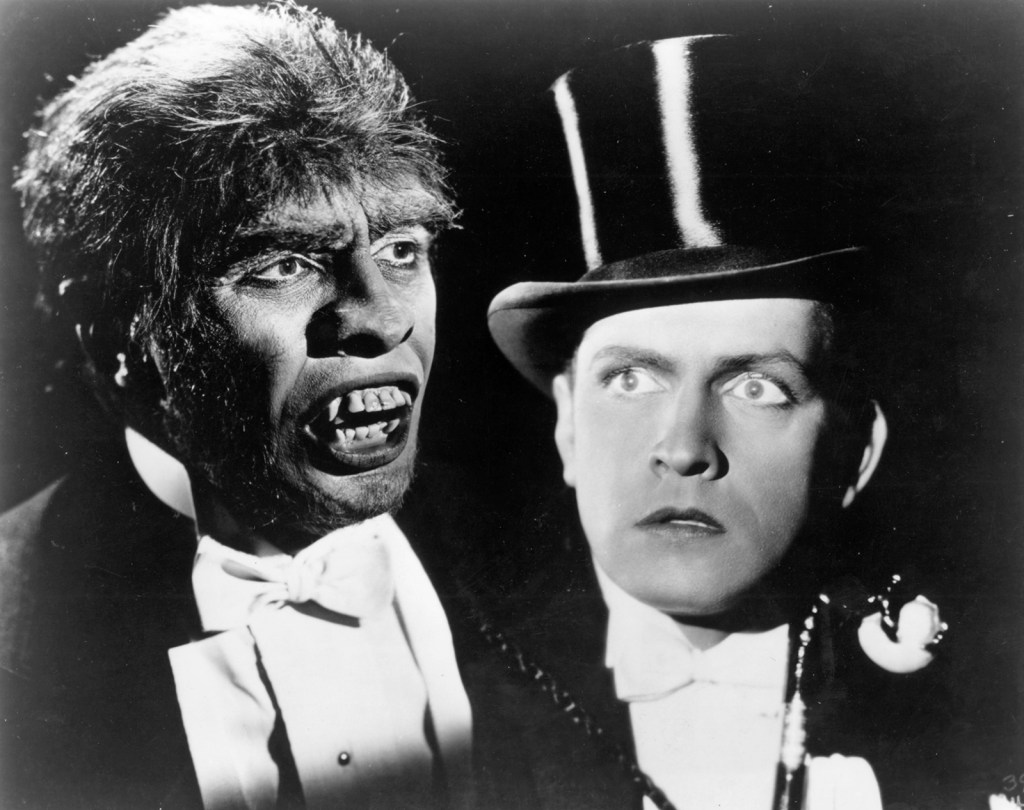
Canada Reads longlist

This is probably the last time I’ll report on Canada Reads for this cycle because, like all past cycles, it’s going to end up more of a Canada Reads Prose contest. I realize there’s a poetry book on this longlist, but I have questions about the longlist in general. According to friends who have been on the shortlist before, they’re informed in December or so about their nomination. Further, it’s my understanding that the “contestants” (Sideshow Bob shudder) arrive having picked the book they want to defend. So what is this longlist? Who makes it? Is it a real thing or just a marketing tool trying to build suspense? The whole thing feels gross. Especially with these overly-broad and vague themes. “One book to bring Canada into focus?” What the actual fuck does that mean in the context of these books? That said, I’m glad if one extra person or two picks up Coles or Westhead or Belcourt because of this.
On the loneliness of the job

I’ve never been part of an MFA–but when I was young I have been part of workshops, and I’ve taught in both MFA and BFA workshop programs–so I kind of see what this guy is saying: it gets lonely after your MFA. I suppose. I have hated every single workshop I’ve been part of as a student, but enjoyed almost every one I’ve facilitated as a professor. The difference? I’m not working on my own material in the latter. Way more forgiving when it’s not me. Or my peers. Who I generally find off-putting. Ugh. People. I suppose it could also be that I took workshops when younger and gave workshops when older, which means I was more chill for the teaching than the being taught. Who knows. Am I lonely when I write? Sure. Until I latch on to something good. Then I’d hiss at you if you tried to interrupt to keep me company. Fucking writers. Nuts.

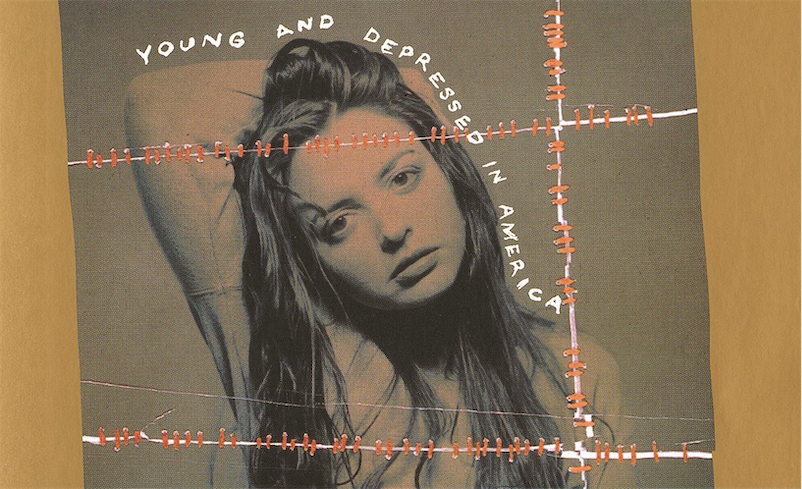
The problem is it gets lonely. Crushingly so, at times. But crushing loneliness can be dealt with. Emergency protocols can be initiated, loved ones contacted. I’m privileged to have this vocabulary, but I have it nonetheless. What I struggle with more is the lesser loneliness of writing, when every word I put on the page is fine but not great, when every song I try and listen to fails to hook me, when I get up to do the dishes and find only a mug and a bowl in the sink, because I’ve already used this as an excuse to stop doing the thing I should be doing. It will feel like the days themselves are suffering from a low-grade sinus headache, and all I’ll want is to get out, and be around people whose mutual desire for escape will confirm that I’m okay, actually.

Reading is for chumps

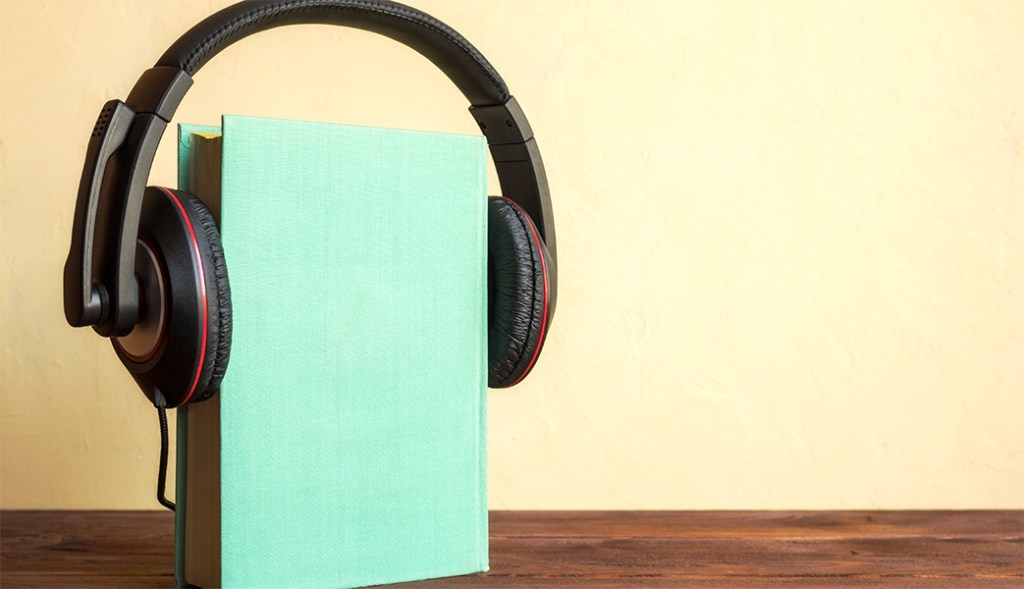
Why use your eyes like a sucker when you can use your ears like a… not…sucker? When I was growing up in the 80s, music videos were all the rage (do they still do the moving pictures with sound? tell old pappy), but I never watched them. Why? Back then I would have said something about being anti-corporatization and -dilution of form. But now I recognize it was one simple thing: I didn’t want anyone else’s music-inspired images in my head. What I imagined from Aha’s Take on Me was not at all what happened in the video. And since that video entered my brain, I’ve never seen anything else when listening to the song. So I’ve avoided videos for most of my life. It about then as well that I decided to make a house rule (still standing today, mostly), that you can’t see a movie based on a book until you’ve read the actual book. And that’s how I feel about audiobooks. I don’t want to hear some actor’s interpretation of my favourite character’s voice. I want to find out what my own brain thinks.

Audiobooks are in the midst of a boom, with Deloitte predicting that the global market will grow by 25 per cent in 2020 to US$3.5 billion (£2.6 billion). Compared with physical book sales, audio is the baby of the publishing world, but it is growing up fast. Gone are the days of dusty cassette box-sets and stuffily-read versions of the classics. Now audiobooks draw A-list talent – think Elisabeth Moss reading The Handmaid’s Tale, Meryl Streep narrating Charlotte’s Web or Michelle Obama reading all 19 hours of her own memoir, Becoming. There are hugely ambitious productions using ensemble casts (the audio of George Saunders’ Booker Prize-winning Lincoln in the Bardo features 166 different narrators), specially created soundscapes and technological advances such as surround-sound 3D audio. Some authors are even skipping print and writing exclusive audio content.

Getting to yes

What was your first “big yes” in your career? My first journal acceptance (well, at a journal that wasn’t at the university or one where I wasn’t sleeping with the editor) was probably The Antigonish Review. It felt like a big thing at the time. The next time I remember being excited by a yes was Granta. I have reserved a future happy dance (3 minute time limit) in case a New Yorker publication comes down the line. Otherwise it’s all sort of…. meh.

When I think of the first Big Yes, I think of the moment that marks the first big shift, either external or internal, in the trajectory of a writer’s career or their understanding of themselves as a writer. I’ve carried the question with me through my own development as a writer, because, in an industry that oftentimes feels obsessed with national awards and accolades, most-anticipated and bestseller lists, it’s easy for me to convince myself that when I get there—wherever “there” may be—I will have finally made it. That “there” will be the achievement that defines or legitimizes my career as a writer.

I say, I say, that boy is pretty as the Dickens

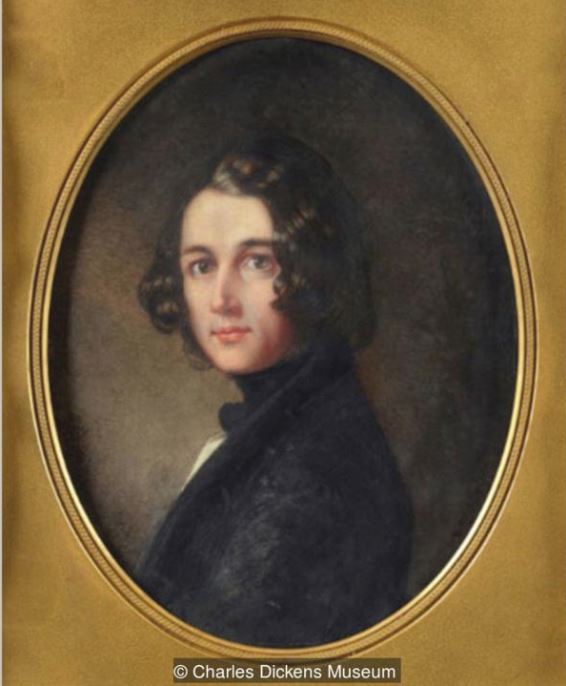
An interesting piece on the artist who painted a young Dickens then lost the portrait.

Both Southwood Smith and Gillies shared a desire to bring about changes in society. They were champions of the poor, and actively worked to alleviate suffering. Southwood Smith, who was 15 years older than Gillies, worked on the Poor Law Commission, wrote reports for the government on sanitation and poverty and sought to meet likeminded people who could help with his campaigns. One of those was Charles Dickens, and it was probably through this friendship that Gillies came to paint Dickens in the autumn of 1843. This was when Dickens was writing what would become his most famous book, A Christmas Carol.

Saskatchewan: hotbed of bookbinding action

Who would have thought Saskatchewan would be at the forefront of all this book-making? The only people who can give librarians a run for their sexy literature stardom is artisanal book binders. (Video also at link.)

Canham learned bookbinding 15 years ago after attending a “Friday night without a date” event at a bookbindery in Toronto. 

“I just got hooked at that bookshop,” she said. 

Engaging in a craft that’s more than a thousand years old is “mind-blowing” for Canham.

Top 10 books about toxic masculinity

Speaking of shitty poets…. What other (Canadian?) books would you add to this list of books about how shitty men can be when they buy in to the worst aspects of the patriarchy.

Toxic masculinity has become something of a buzz phrase, employed to describe and explain everything from poor dating etiquette to mass shootings and the abuses highlighted by the #MeToo movement. But, as with any buzzword, it is important to be clear in one’s definition. Toxic masculinity can be said to be the social pressure to conform to traditional ideals of masculinity, which privilege aggression, elevated class status and the suppression of emotions. For many, adherence to these narrow, oppressive expectations about what it means to be a man will logically express itself in the most grotesque ways.

Breaking: Male poets have always been jerks

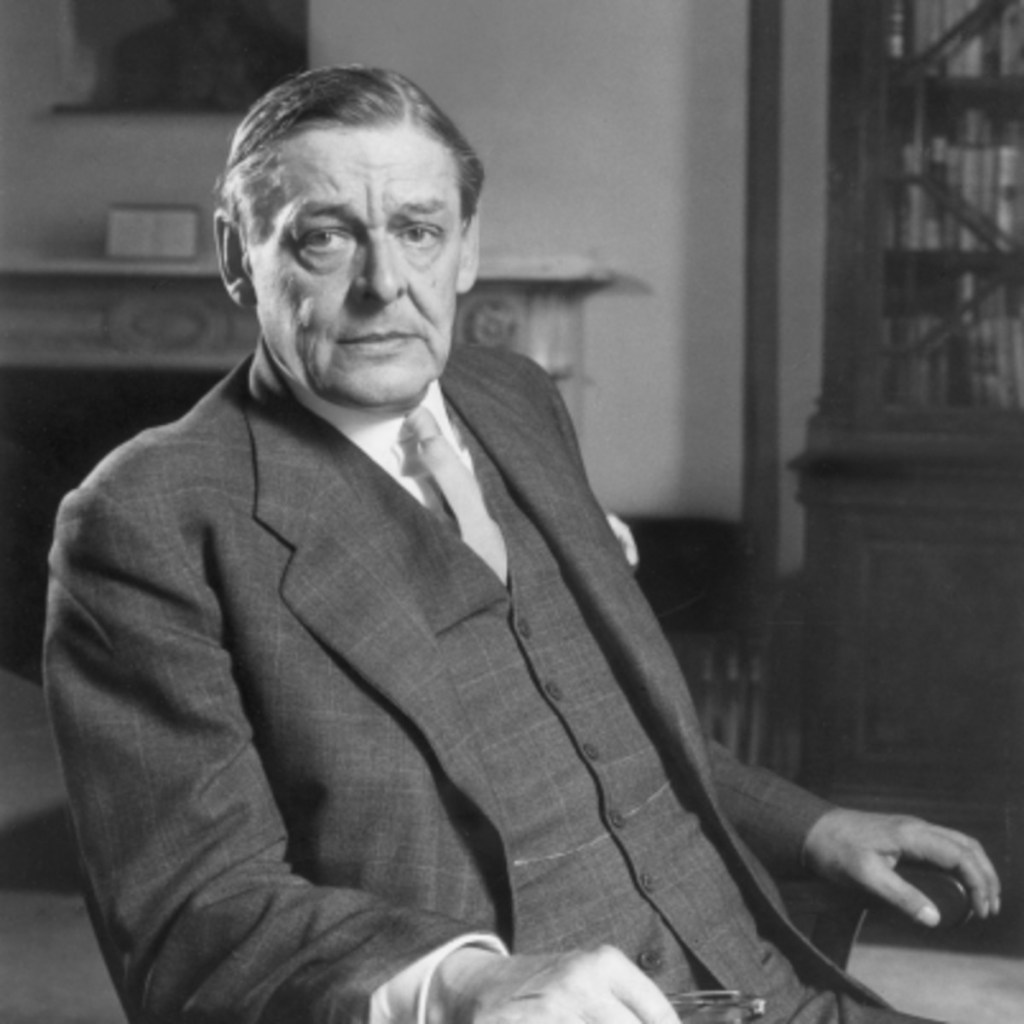
So, I’ve been sitting on this TS Eliot thing with his creepy response to finding out he might have to pay something in reputation for his unwanted romantic attentions, wondering how best to phrase it in a climate where men (in our own literary community) are being outed on a monthly basis for toxic (and sometimes violent) behaviour towards women. That headline was the best I could come up with.

The sins of misogynistic poets past must not be so easily forgiven. The gift of verse should not, as it has for so long, deliver undeserved immunity to the estimation of character and its shortcomings.

In the Eliot-Hale case, Eliot’s statement exposes how his estimation of a woman he loved tanks precipitously when he learns she is about to release correspondence he would rather not have released. “You have made me perfectly happy: that is, happier than I have ever been in my life” writes Eliot in one of the 1,131 letters to Hale. Petulant and sulky in his statement by contrast, he alleges instead that “he and Emily had very little in common.” Had he stayed with her, he tells us, he would have ended up not as the author of “The Waste Land” but as a “mediocre professor of philosophy.”

Best (worst?) villains in literature

I’m just glad the kid from The Giving Tree made it onto this list. Selfish little monster. Who would you add to this list? I’d add the “ocean” (or human hubris, whichever you think the bad guy) in Stanisław Lem’s Solaris. Terrifying and fascinating. Utterly alien even as it tries to communicate.

Villains are the best. We may not love them in our lives, but they’re often the best part of our literature—on account of their clear power, their refusal of social norms, and most importantly, their ability to make stories happen. After all, if everyone was always nice and good and honest all the time, literature probably wouldn’t even exist.