
The NYT has a rundown of some picture books, most of which I will not get to read until I have grandchildren around–which part of me wants and another part is deathly afraid of, on behalf of my many children.
Okay, mofos, this guy did. GoT meets Gladiator? 100% will read.
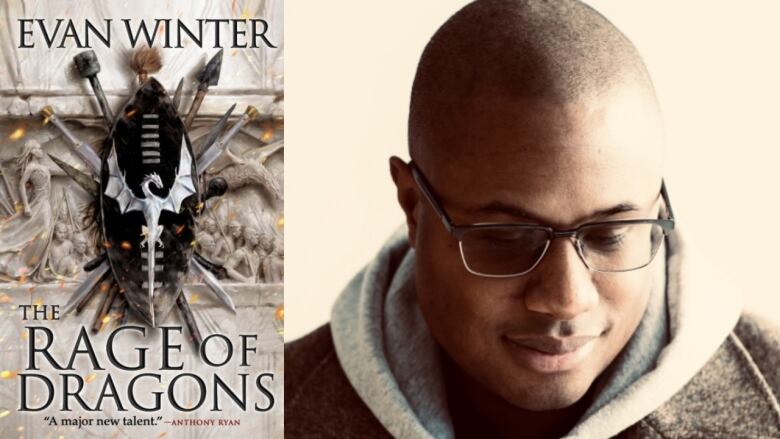
Described as a mix of Game of Thrones and Gladiator, The Rage of Dragons follows Tau as he attempts to get revenge and become the greatest swordsman to ever live.
Collins dictionary has named “climate strike” their word-of-the-year. There’s also a few other en vogue terms here, to bring those of you who have been living under a rock up to speed.
Climate strike was first registered in November 2015 when the first event to be so named took place to coincide with the UN Climate Change Conference in Paris, but it is over the last year that climate strikes have spread and become a frequent reality in many of the world’s largest cities. Collins’ lexicographers observed a hundred-fold increase in its usage in 2019, the largest increase noted of any word on the list.
It’s not just old white men getting the the Hadada award anymore. It’s poorly behaving old white men. And a couple white women, here and there for optics. But no POC. Ladies and Gentlemen, I present a man famous for a few fantastic books and some face-spitting (not to mention some bad decisions with firearms–I wonder which way he votes?), Richard Ford.
The Paris Review’s decision to award its august lifetime achievement prize to Richard Ford has been criticised, with readers pointing to the American novelist’s history of poor conduct, such as when he spat in the face of fellow writer Colson Whitehead.
Ford will be presented with the Hadada prize in April by Bruce Springsteen, who once described Ford’s work as “poignant and hilarious”. Ford follows in the footsteps of previous winners including Philip Roth, Norman Mailer and Joan Didion, with the magazine saying that his “writing has been commended for its ‘linguistic mastery … rivalled by few, if any’ and for the ‘terse poetry’ he brings to his prose”.

Your good news inoculation for today: First Book Canada is sending 5000 books to families in women’s shelters.
“These shelters accommodate women and their children when they are fleeing violence. We know a good book and skincare products can help women and their children transition to a new life,” said Tom Best, executive director of First Book Canada in a press release.

Jenny Heijun Wills, Stephen Collis, and Andre Alexis win for memoir, mid-career poetry, and fiction respectively. I would love to have seen folks like Alicia Elliott, Ayelet Tsbari, and Michael Crummey win something, but it’s a good list.
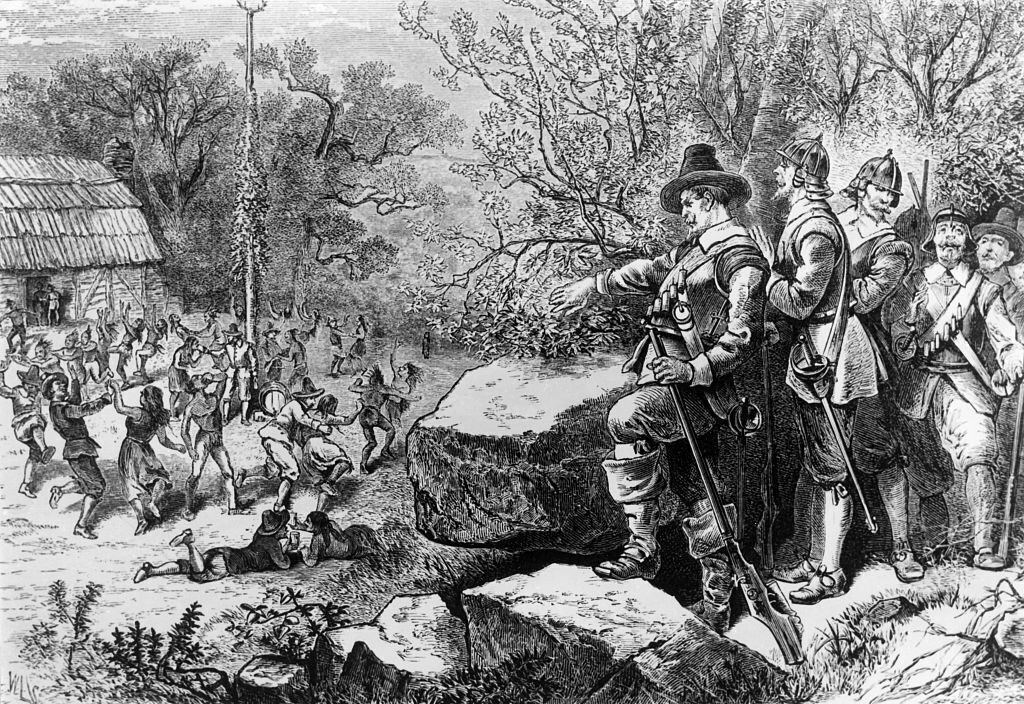
From America’s first banned book to the purposeful and gradual erosion of the education system to instill ignorance in the populace to the sudden grab for power by rich oligarchs exploiting the populace’s ignorance… It’s the circle of life. I mean, sniff, sad as it is, it appears this totalitarian state is… (I promised myself I was going to cry!) …growing up.
Scorsese responds to criticism of his criticism of Marvel movies. Listen, I love me some explody-spandex mental downtime, but I can’t say I disagree with him. And there are literary parallels galore here.
In the past 20 years, as we all know, the movie business has changed on all fronts. But the most ominous change has happened stealthily and under cover of night: the gradual but steady elimination of risk. Many films today are perfect products manufactured for immediate consumption. Many of them are well made by teams of talented individuals. All the same, they lack something essential to cinema: the unifying vision of an individual artist. Because, of course, the individual artist is the riskiest factor of all.

When I was a kid growing up in small town Ontario, we still had a Bookmobile that would come by the school. It was my favourite thing ever. Even better than the Scholastic catalog (back when Scholastic still sold books and not plastic toys, video game tie-ins, and virtually anything but plain and simple books). But, damn, it didn’t look like this. It looked like a painted cube van with stacks of books, iirc.
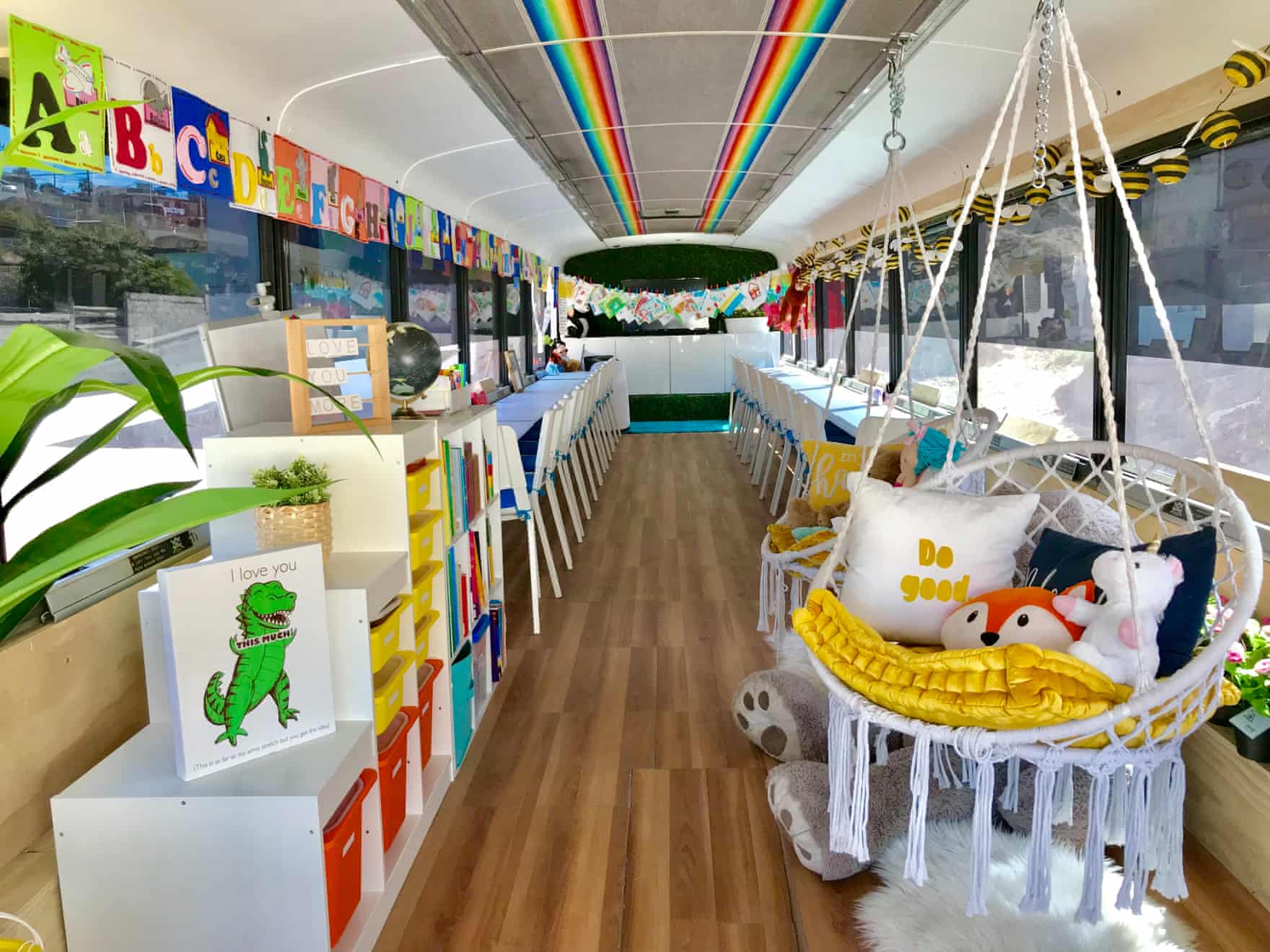
While for many commuters a bus or train journey presents a rare opportunity to get stuck into a book, in some cities public transport is being commandeered as means of getting books to communities that need them most. Vehicles are being reimagined and upcycled to not only to spread the joy of reading, but to educate and improve lives.
On patching together your book.
I remembered my mother’s quilt work, the graph paper on which she plotted her designs with colored pencils. I thought of John Sims’ MathArt quilts projects, in which he materializes “the square truth of connected stories.” I remembered the calm of the geometry classroom. I decided to try mapping my book onto that soothing blue grid. I borrowed my child’s colored pencils.
 Bookninja