JK Rowling puts pinky to mouth, releases new transphobic book

JK Rowling has left the realm of uneducated/out-of-touch feminism and has entered full-fledged supervillain territory with her new novel (ironically written under a man’s name) in which the serial killer is a trans person. I’ve watched plenty of people, from parents and family, to friends and colleagues, slide right as they age, losing their progressive ideals as fear of change (read: death) supercedes fear of staying the same, but it takes a special few to go that one step further and fling themselves fully into the Eye of Sauron. That’s right, Joanne, Sauron. Even worse than your bad guy with no nose. I encourage readers to not buy her books.
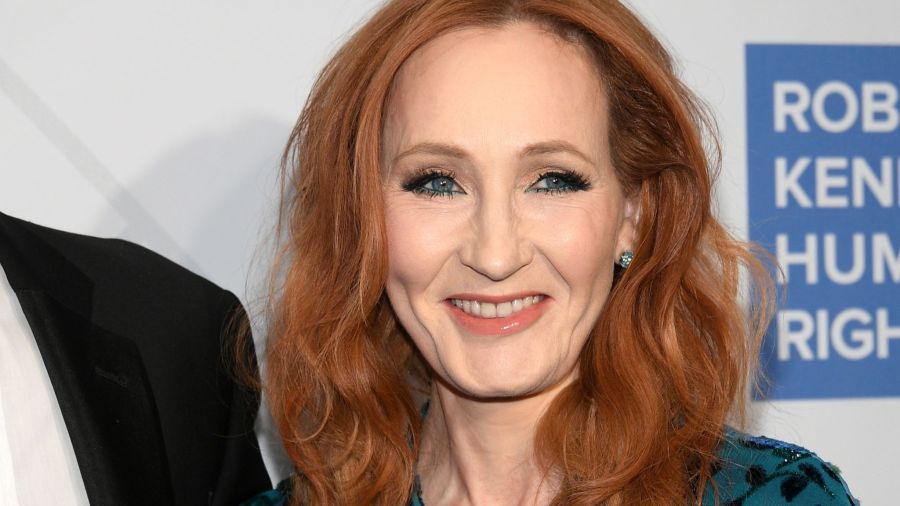
According to an early review in The Telegraph, Troubled Blood—the fifth installment in Rowling’s Cormoran Strike series written under the pen name Robert Galbraith—deals with the cold case of a woman who disappeared in 1974 and is believed to be the victim of Dennis Creed, “a transvestite serial killer.” (Transvestite is considered an outdated and derogatory term for cross-dressing, which is not the same as being trans.) The review goes on to say, “One wonders what critics of Rowling’s stance on trans issues will make of a book whose moral seems to be: never trust a man in a dress.” 
Wednewsday

Half full or half empty, your week is counting down.

Why women take male pseudonyms

The friggin cruel fuckery of JK Rowling using a man’s name to write mysteries, is, I hope, not lost on the gatekeepers of Hell. But I digress. Women began using male names or ungendered initials to get published in a man’s world, but why do they do it now? Oh, right. The “reclaimhername” campaign has brought this to the fore recently, with people making understandable arguments on both sides of the issue, so BBC looks into things in a deeper way than my flip comments might allow.

Adopts gender-neutral/male names for her legacy (which will surely outlast her genitals), but draws the line at who uses what bathroom? What a sad disappointment this woman has become.

Our education system is partly to blame: the traditional canon, created by men, has tended to focus on men since the novel’s inception in the 18th Century. “Actually, you have a load of women writers being incredibly important in the rise of the novel,” points out Dr Sam Hirst, an associate lecturer and host of free online Romancing the Gothic classes. “By reproducing these narratives – that women couldn’t publish unless they had a male pseudonym – you are completely erasing the existence of all of these other women. You’re reinforcing this incredibly patriarchal and misogynist view of the canon.” 

Women published anonymously, pseudonymously and under their own names in the 18th and 19th Centuries; being written ‘by a lady’ actually became a selling point, to the extent that male authors would adopt it. According to research by academic James Raven, almost a third of novels published in 1785, for instance, claimed to be ‘by a lady’. While such anonymity means it’s hard to know exactly how many writers were really men, it’s believed that some deliberately opted for ‘by a lady’ as a sales ploy: female authorship helped indicate that the subject matter would be suitable for feminine readers, and it was women who made up most of the novel-buying market.

Monday Monday

Blerg.

Why GoodReads blows

The New Statesman has an article about the cesspool that is GoodReads. Listen, I used to sign up for every new service that came along, mostly to make sure I got the tag “Bookninja” before some copycat the dark web got it, but I was side-eying GoodReads from the beginning. Frankly, I called this one back in the day and now log in about once a year to make sure the account doesn’t get cancelled. Why, I don’t know. If you’re an author, one of the worst things you can do to the quality of your day is to onan-search yourself on that site. The apathy is worse than the vitriol and the level of discourse is at about the level of a White House press briefing. Don’t do it.

Meet your next favourite book, then give it 2 stars and say you wish there’d been more aliens.

There should be nothing in the world more benign than Goodreads, a website and app that 90 million people around the world use to find new books, track their reading, and attempt to meet people with similar tastes. For almost 15 years, it has been the dominant platform for readers to rate books and find recommendations. But many of the internet’s most dedicated readers now wish they could share their enthusiasm for books elsewhere. What should be a cosy, pleasant corner of the internet has become a monster. 

Trump cracks down on anti-racist reading

He called anti-racism training and reading “Anti-American”. Yep. You read that. He just needs an oily mustache to twirl now to fully complete the cartoonishly evil caricature. My fantasy hope is now that he catches Covid, lingers in a bed for a painful month or two, then is saved by a trans Black/Mexican immigrant doctor who went to school on an affirmative action scholarship. Fuck you, you shitstain on the tightie-whities of society.

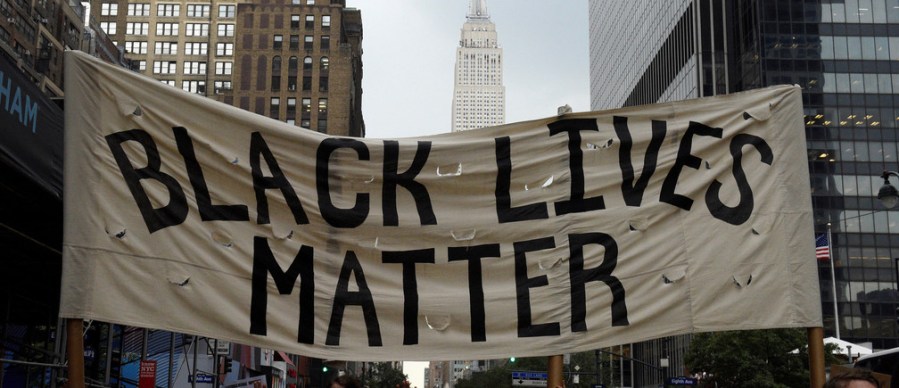
As a balm/chaser, read this article on how BLM has impacted the book media.

Donald Trump has directed the Office of Management and Budget to crack down on federal agencies’ antiracism training sessions, calling them “divisive, anti-American propaganda”.

The OMB director, Russell Vought, in a letter Friday to executive branch agencies, directed them to identify spending related to any training on “critical race theory”, “white privilege” or any other material that teaches or suggests that the United States or any race or ethnicity is “inherently racist or evil”.

The memo comes as the nation has faced a reckoning this summer over racial injustice in policing and other spheres of American life. Trump has spent much of the summer defending the display of the Confederate battle flag and monuments of civil war rebels from protesters seeking their removal, in what he has called a “culture war” ahead of the 3 November election.

Looking to the past despite its ugly face

Should we prioritize the words over the actions of the author, even when we don’t want to hear them?

This might seem a very strange time to publish a book recommending that we read the voices from the past. After all, isn’t the present hammering at our door rather violently? There’s a worldwide pandemic; a presidential election is about to consume the attention of America; and if all that weren’t sufficient, we are entering hurricane season. The present is keeping us plenty busy. Who has time for the past?

But my argument is that this is precisely the kind of moment when we need to take some time to step back from the fire hose of alarming news. (When I first tried to type fire hose, I accidentally typed dire hose instead. Indeed.) As we try to manage our dispositions, we need two things. First, we need perspective; second, we need tranquility. And it’s voices from the past that can give us both—even when they say things we don’t want to hear, and when those voices belong to people who have done bad things. One of the best guides I know to such an encounter with the past is Frederick Douglass, an escaped slave, America’s most passionately eloquent advocate for the abolition of slavery.

Friday news anniversary post

You made it! High five. As of 5pm, your only job is to forget you have a job until Monday morning at 6am. Good luck! Yesterday marks a year since Bookninja reopened its “doors” to the public. Hope you’re enjoying.

How to write a novel

Ninja pal Heather O’Neill and her daughter Arizona have made a two minute video that’s worth your time on how to write a novel. And like pretty much everything Heather O’Neill is involved with, it’s delightful. She’s a fucking delight. There’s no other way to really say it. The woman is a font of wonder and bizarre delight. I sometimes suspect she’s actually a fey creature from another realm.

On the shame of unread books

This guy finds the trend of surrounding yourself with books you haven’t read shameful. He feels fraudulent because he hasn’t read everything he owns. I find it comforting to have not read everything. Pure potential. It’s like my decorations are things that I can engage with at any second. Will I eventually read them? Probably not. Not all, anyway. I have too many other obligations: friends and colleagues to read, my own interests and predilections to indulge in, life in a post-apocalyptic wasteland to run around in on my computer. But those books are THERE, regardless. Ready. Waiting for me to need them. Or to get bored and start browsing. Snowstorm? Books by the fire. Broken leg? Books by the fire. Power outage? Books by the fire. The point is, they’re readable, not that they’re read. It’s a very reliable medium. All I have to do is keep my eyesight. Still, I could spend some more time on it, couldn’t I?

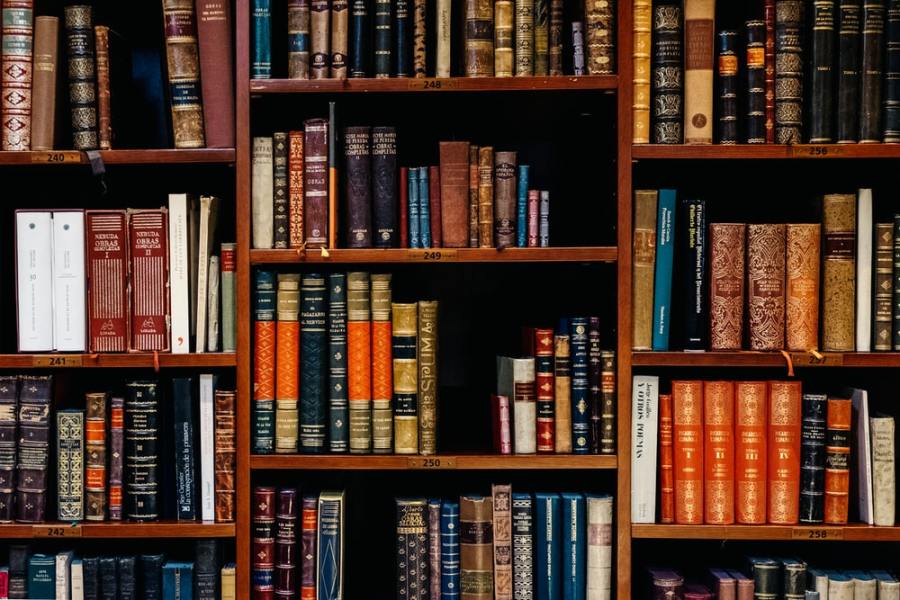
It is nice to have a wall full of books. Being signallers of great intellectual virtue, bookshelves are enjoying their moment in the sun, choicely lit in the background of a thousand Zoom interviews on TV. The sight of my shelves gives me limited pleasure, as I am reproached by the spines of so many books I have never actually, you know, read. It’s cheating, that’s what it is. You should only be allowed to display books you have finished, or at least got more than halfway through. Watching some opining clever dick on a news channel, with hundreds upon hundreds of weighty tomes displayed behind them, I find it impossible to concentrate on anything this intellectual fraud is saying. “You can’t have read them all!” I yell, throwing one of my own unread Grantas at the screen. “You haven’t been alive long enough to have read them all.”

Over the weekend, I met a nice guy at whom I couldn’t throw any paperbacks for this crime because he has done a deal with himself to get through all his unread books before he buys any more. J