
— king's co-op bookstore (@kingsbookstore) September 18, 2019
Month: September 2019
Fantastic poet, editor, and professor Matthew Zapruder checks himself and his poetry at Harper’s and finds room for improvement. A powerful piece about responsibility in writing. Required reading for me and my white, straight, able, male (etc) counterparts.
Is it possible, or necessary, or helpful, to discuss these issues as a white person, without doing more damage, creating more misunderstanding? Or, without making it all about white people yet again? Teju Cole (via Claudia Rankine, in the introduction to her play The White Card), writes: “The White Savior Industrial Complex is not about justice. It is about having a big emotional experience that validates privilege.” Is that what the poem was doing? Is that the secret agenda of this very essay?
Often I think the answer is for white people to just be quiet. It’s a nice idea, and a relief to consider. Unfortunately, obviously, racism and white supremacy live in white people. One solution is to declare that, unlike other people, one does not have a racist bone in one’s body (begging the question of whether it is bones that are racist, rather than assumptions or words or actions). Or, like so many aggrieved writers, to loudly assert one’s “rights” to imagine the lives of others, as if those rights are in danger of being taken away.
The question is not whether I as a white person am completely innocent, or whether I am “allowed” to say certain things. The question is, what can I do, as a writer and person, to help? And what are the possible consequences of my efforts?
The Booker Prize people say the whole frufrah with the winner stickers on Margaret Atwood books means nothing and she has not won the Booker Prizewinkwinknudgenudgeweallknowitsabigfuckyoutodonaldsmallhandstrump.
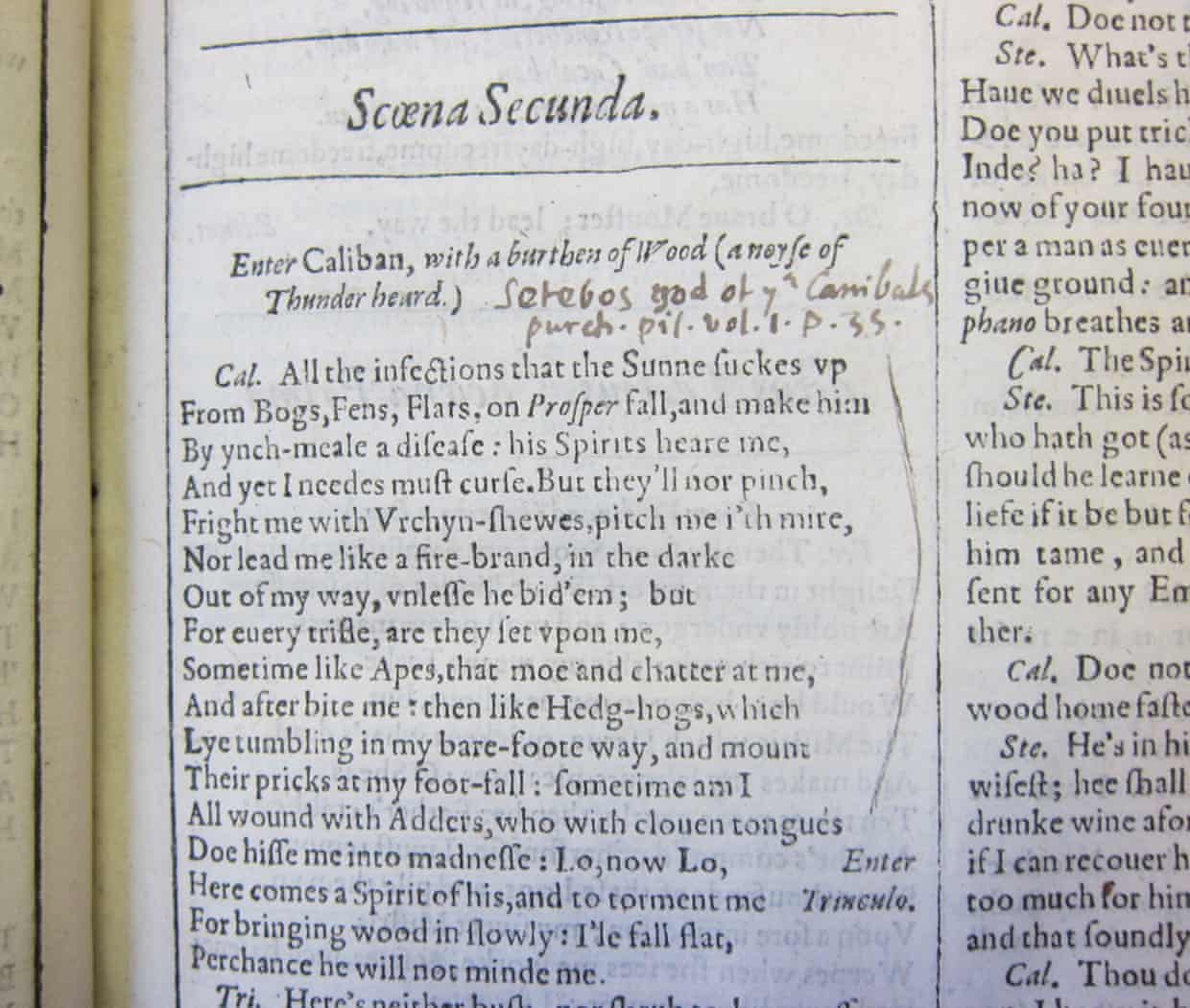
Ever wonder what one staggering genius thought of another? Looks like archivists have found Milton’s annotated copy of Willie Shakes’ folio. Grad students, start your engines!
“Not only does this hand look like Milton’s, but it behaves like Milton’s writing elsewhere does, doing exactly the things Milton does when he annotates books, and using exactly the same marks,” said Dr Will Poole at New College Oxford. “Shakespeare is our most famous writer, and the poet John Milton was his most famous younger contemporary. It was, until a few days ago, simply too much to hope that Milton’s own copy of Shakespeare might have survived — and yet the evidence here so far is persuasive. This may be one of the most important literary discoveries of modern times.”
Has anyone read this? I am intrigued…
The invention in these stories is dazzling: time and again, Keret hits on an idea so good that another writer would turn it into a novel. In “Allergies” a childless couple channel their parental feelings into dog ownership, going to deranged lengths to make their adopted pup happy. “Arctic Lizard” imagines a dystopian America where a third-term Trump administration, bogged down in a war with Mexico, tempts teenagers to enlist by creating a video game in which Pokémon-style tokens must be collected from battlefields. “Evolution of a Breakup”, a minor miracle of short fiction, traces the story of a divorce back to the origins of life on Earth.
The Russian culture minister calls comic books “pathetic” and their sales go up. Ah, Russia. I wonder if this was all caught on dashcam?
The minister, Vladimir Medinsky, told an audience at the Moscow international book fair that comics are “like chewing gum, it’s not food”. “Comic books are aimed at children who are only learning to read,” he added. “I think it’s pathetic for adults to read comic books.”
Medinsky’s comments angered hundreds of fans, who have been expressing their outrage on social media using the hashtags #ImAMoron and #IReadComics. “We are not idiots,” wrote the Chuk and Geek comic store on its Facebook page, while one fan wrote on Twitter that he had been reading comics for almost 20 years, and “I’m not planning on stopping any time soon. No one will convince me otherwise. Why? Because comics have given me so much, taught me so much, shown me so many things. And I’m not so dumb as to give all this up.”
X marks the spot in the genetic code of this year’s prize list. Bookninja friend Ayelet Tsabari is in there, as are others I greatly admire, including Alicia Elliott and Tanya Talaga.
This link came in to me via my tip line. I’ll include the text of the tip along below for context (with permission from the tipster, of course):
“I mean when you think of all the Lisa Loeb/ hot librarian posts in the OG Bookninja. You owe me. Sincerely, Your Wife”
That is some serious deep-state activity.
Looks like someone is getting fiiiiiiiiiiired!
 Bookninja