I believe people in my sphere refer to this as “the Murray Goodbye“… You finish a conversation at a table, slap your knees and say, “Right!” and then walk silently from the room;
There’s quite a few articles out there giving reading lists of anti-racism books that can be foundational for our rehabilitation as a culture. I am not educated enough to provide you with my own list, so here are a bunch. Pick one and start reading. When you’re done, pick another. And give the one you just read to a white friend. Yes, it’s a lot of reading, but we have a lot of catching up to do.
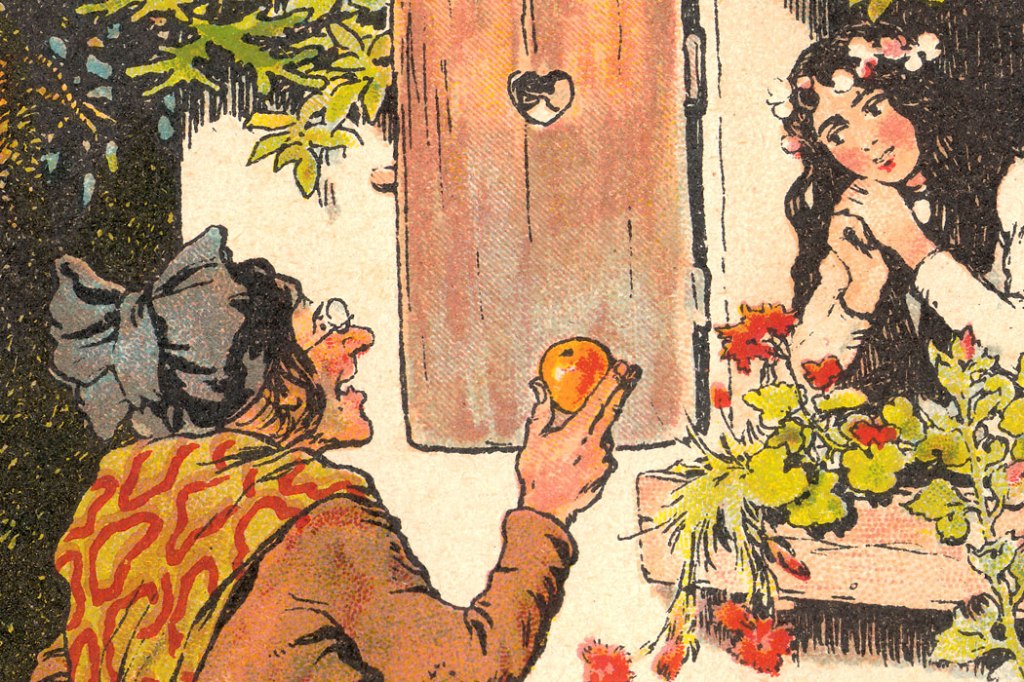
Patriarchal white colonialism has narrowed the field of popular fairytales to those from a few classic fairytale authors—Charles Perrault, Wilhelm and Jacob Grimm, and Hans Christian Andersen. And then Western white media winnowed the selection down even further by selecting tales from each of these authors that represented their values (especially Walt Disney). As author Kat Cho argues, “I do think that western fairytales are more widely disseminated because western culture is dominant in media and entertainment…I wish more folktales from non-western countries were more popular.” Kat Cho’s debut novel Wicked Fox uses the gumiho (nine-tailed fox) from Korean folklore as its premise.
The very familiarity of fairytales that makes them so magical is also problematic in that it stems partly from a racist, patriarchal media. And even within the most popular ten fairytales, white versions are usually the ones that are retold.
“For example, did you know one of the oldest versions of “Cinderella” we know of actually comes from China?” Shveta Thakrar, the author of the upcoming Star Daughter, asked. She’s referring to the fairytale “Yeh-hsien” (or “Ye Xian”) which was first published in 850 CE, and most likely dates back even further. But the version most commonly recognized comes from Charles Perrault (Disney based his film Cinderella on Perrault’s version) or from the Grimm Brothers (like from Stephen Sondheim’s Into the Woods). This isn’t to say that authors who retell these popular fairytales are racist, not at all. Many authors retell these stories in subversive, feminist, anti-racist ways. But the popularity of this handful of fairytales all from white Western cultures serves to gate-keep writers of color from retelling the stories from their own cultures.
Ng’s donation is part of a growing trend in publishing: authors of color are using their means to push for systemic changes to address publishing’s much-documented diversity problem. “I’m troubled by how undiverse the publishing industry is—extremely white, extremely straight, extremely abled, among other things—and have wanted to do something about it for the long time,” Ng tweeted when announcing the grants. “A job in publishing often requires experience like an internship—often unpaid or low-paid—before you can get hired. This shuts out many people who can’t afford that. But their voices are exactly what we need to acquire, publish, and champion stories that often go overlooked. The goal of these grants is to make internships (and hopefully careers) in publishing more accessible, so we can increase diversity in publishing from the ground up.”
The idea, Ng said in another tweet, was inspired by author and Ringer staff writer Shea Serrano. “Back in november i read an article at Publishers Weekly that included a stat that i thought was very sucky: hispanics barely make up 3 percent the racial makeup of publishing,” Serrano tweeted in December 2019, referring to the 2019 PW Salary Survey. “That chart really stuck with me in one of those bad kind of ways—i spent a lot thinking about how i didn’t even know writing for a living was a thing that was available because that’s not the kind of work they tell you about when you live on the south side of san antonio.” So he and his wife, Larami Serrano, donated $20,000 to the San Antonio Association of Hispanic Journalists to found a four-year, $5,000 scholarship in his name, given to students interested in becoming either a journalist or a published author.
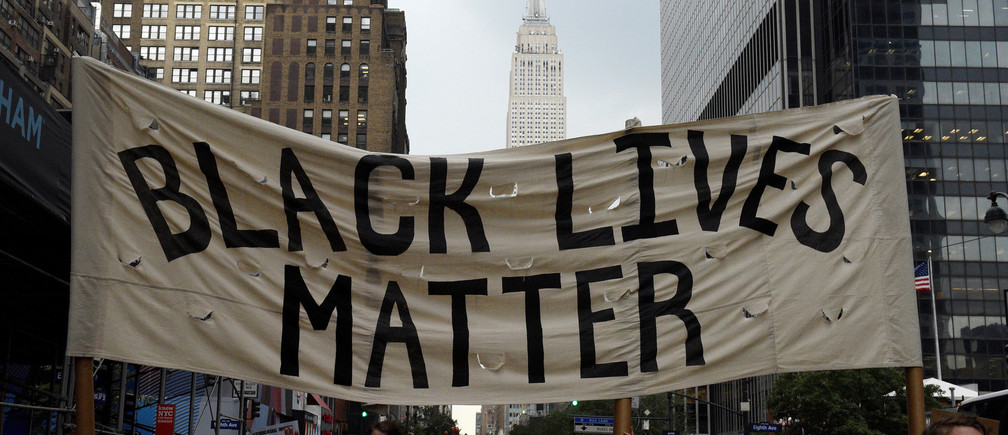
Strange times for the book industry, but people are adapting. Here’s hoping the social wildfires engulfing the USA right now will help encourage a new forest where a racist bog once stood. And if a few bookstores have to get burned down in the process, so be it. The history of systemic violence against Black people and their lives that are taken daily needs addressing more urgently than whether your favourite browsing spot or coffee shop is open or even a charred ash heap on Main Street.
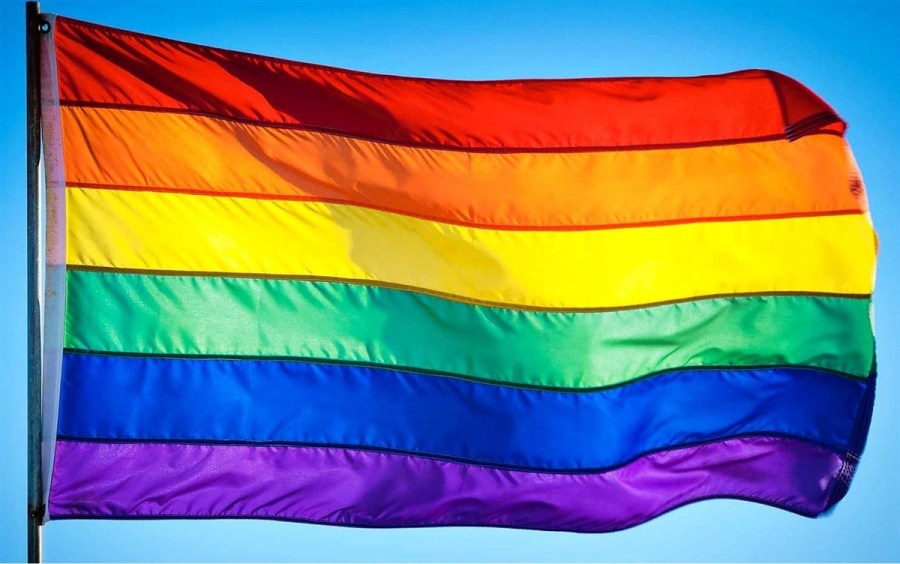
Pride season is upon us and the lit media eye, when not focused on Covid or the the horrific/noble/painful/uplifting shitshow that is America right now, is turning to Queer publishing and awards. This author interview is a good read and outlines how Queer storytelling is keeping the world from sweeping the AIDS crisis under history’s rug.
I started the novel in 2013, during the Obama years—a different time, a different world. I finished the novel long before the outbreak of COVID-19, and it’s been very strange and surreal to experience my novel coming out during this global emergency and chaos. I don’t want to draw any quick or simple parallels between this and the AIDS crisis—40,000 people died of AIDS and six years passed before Reagan even mentioned AIDS in a speech. Still, I think we very much should look back at that time—to learn from the queer community and AIDS activists, how to survive a cruel, and in this case, highly incompetent, administration. I’m wary of messages in books—but maybe aspects of the novel will resonate differently now: how will we support each other, how do we build community and embrace compassion and kindness, what kind of society do we want to be?
Well, it’s June. Where I live, we try to not speak of this month-long slog of chilly moistness, and fog. Or if we do, we refer to it as “The Dampening”. But it’s undoubtedly better where you are. Enjoy.





 Bookninja