On TikTok and books

It turns out that TikTok is not just all half-naked young people dancing and ASMR videos, it’s also a way to turn backlist titles into best sellers. How come I always get assigned young publicists who seem like they should know about this stuff, but they never try it? Oh, right. Poetry. That said, you prose types who stand to make actual money from your work would do well to pay attention to what’s trending because that is apparently the level society has settled at: virality as good in videos, bad in bloodstreams.

TikTok privacy policy update surprises users with more personalized ads -  Vox

BookTok content reaches an extremely large audience—videos with the #BookTok hashtag have racked up a combined 18 billion views. Once a book like It Ends with Us is recommended by influencers, TikTok’s algorithm ensures that it pops up on users’ feeds without them even searching for it. As of this writing, videos with the hashtag #ItEndsWithUs have a combined 73 million views.

BookTok’s power to promote books relies on its grassroots nature. Through self-made content, users create the sort of literary publicity that, in its sincerity, money literally cannot buy. Media-literate young people are especially drawn to promotion done by peers with no financial stake in a product. But publishers have taken notice and are responding swiftly. Atria’s chief marketing officer, Liz Perl, said it’s important to take TikTok seriously as a promotional tool because it’s “not just for kids anymore.” Perl said the publisher has been working closely with authors to “capitalize on this moment by creating more organic content, investing in more paid campaigns and working with a broad variety of book influencers.”
Tuesday newsday

Kids are gearing up to head back into their petri dishes and bring you all sorts of pathological goodies. Enjoy the two weeks of six free hours a day, because after that I assume you’ll be sick for two months or have them back at home because not enough people in your community got vaccinated and now society is fucked. (Don’t we normally get a Giller Longlist soon? Maybe that will sustain us) Enjoy!

How 9/11 changed American literature

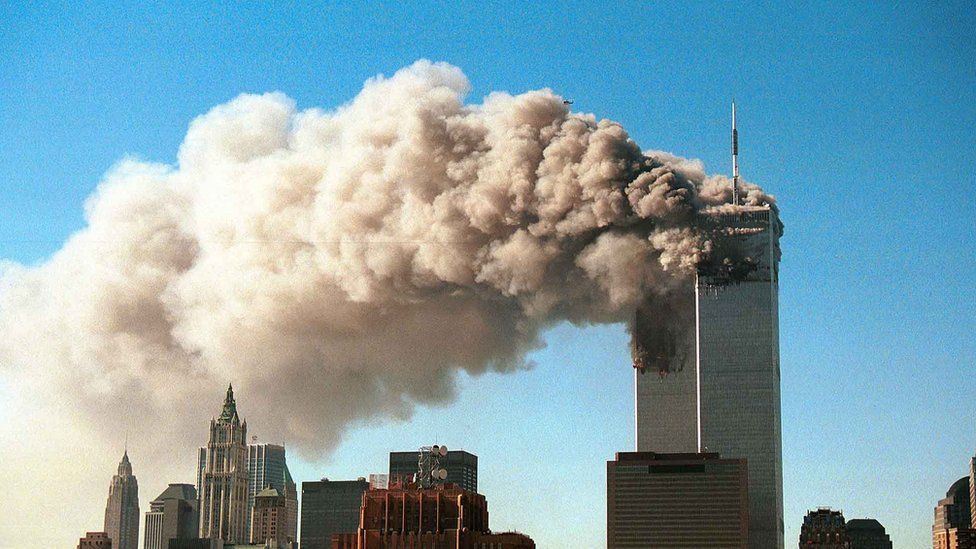
Here’s a strange and interesting piece on how 9/11 changed things for writers. Having been there that day right beside it when the first tower came down, and having watched 19 successive anniversaries and dreading the 20th to come, I wasn’t expecting this to the be first big article I’ve encountered on the whole thing. Did it change the way I write? Maybe? I don’t know. I’m glad to not think about it most of the year. Maybe it’s in there, percolating in my lizard mind, subtly nudging me towards the dire and dour. Or maybe that’s just my Scots-Irish heritage. Hard to tell.

September 11 attacks: What happened on 9/11? - BBC News

We could speak of dread, hardly a new theme in our fiction, which flowered anew, along with a sense that while we were visible, our enemy (or enemies) was not. The English novelist Ian McEwan, the author of “Saturday,” one of the better novels about life in the years following 9/11, commented in the aftermath that “American reality always outstrips the imagination. And even the best minds, the best or darkest dreamers of disaster on a gigantic scale, from Tolstoy and Wells to Don DeLillo, could not have delivered us into the nightmare available on television news channels yesterday afternoon.”

Cormac McCarthy’s postapocalyptic novel “The Road,” he has said, was directly inspired by 9/11. Novels like Emily St. John Mandel’s “Station Eleven,” in which a fictional flu epidemic has devastated the world, and even Whitehead’s zombie novel “Zone One,” landed with fresh force. (Zombies became, in novels, film and television, something like national mascots.) There was a sharpened sense that the unease would never end.

Will substack take over publishing?

Substack says readers and writers are really in charge of moderation - The  Verge

No, probably not — a this article states, setting it up as the “side-hustle” of publishing. But from Rushdie saying he wants
“a slightly more complex relationship with readers” (dude, I would argue that your relationship with readers is more than adequately complex) to everyone with a built in audience who wants to more control and possibly to publish things that hover somewhere between tweets and books, it’s apparently the way to go right now.

Writers flirting with the Substack idea would be better seen, says Lawson, in footballing terms: they are probably going out on loan from their existing publishers, not transferring for good. He doubts that big names will turn their backs on traditional publishing.

“If you take crime fiction, which sells hugely now,” he says, “the big names have long-established series, so if Substack signed up, for the sake of argument, Ian Rankin, Peter James and Val McDermid, they might get a new book out of them but they couldn’t have their backlist. And that’s where the value is for a lot of crime authors.”

That said, Lawson thinks readers would definitely shell out for a Substack subscription if it was the only way of reading their favourite author’s newest novel. But he wonders if the model is sustainable.

Authors and parasocial relationships

Parasocial? Is that more or less than social? Cause I can barely handle social. It took me the last 25 years of writing to realize that collegiality doesn’t equal friendship. That’s 25 years of being too earnest and getting burned by assholes, people. Don’t tell me there’s a whole other level to this. Wait, is this about obsessive fans thinking their your pal? Whew. Don’t have to worry.

16 MISERY (kathy bates) ideas | stephen king, scary movies, kathy

Parasocial interaction (PSI) was defined in 1956 as “a kind of psychological relationship experienced by members of an audience in their mediated encounters with certain performers in the mass media, particularly on television.” These days, I’d argue that social media has taken PSI one step further and many authors with public-facing social media presences can also find themselves in the role of those performers or recognizable public figures as defined by Horton and Wohl in 1956. Most people may not see anything wrong with a little bit of minor fame, but issues arrive when readers and audiences begin to see public figures as real people they know personally. How we treat strangers differs from how we treat people we perceive as friends, and this is where boundary crossing can arise.

Friday news get down

Thursday news catch-up