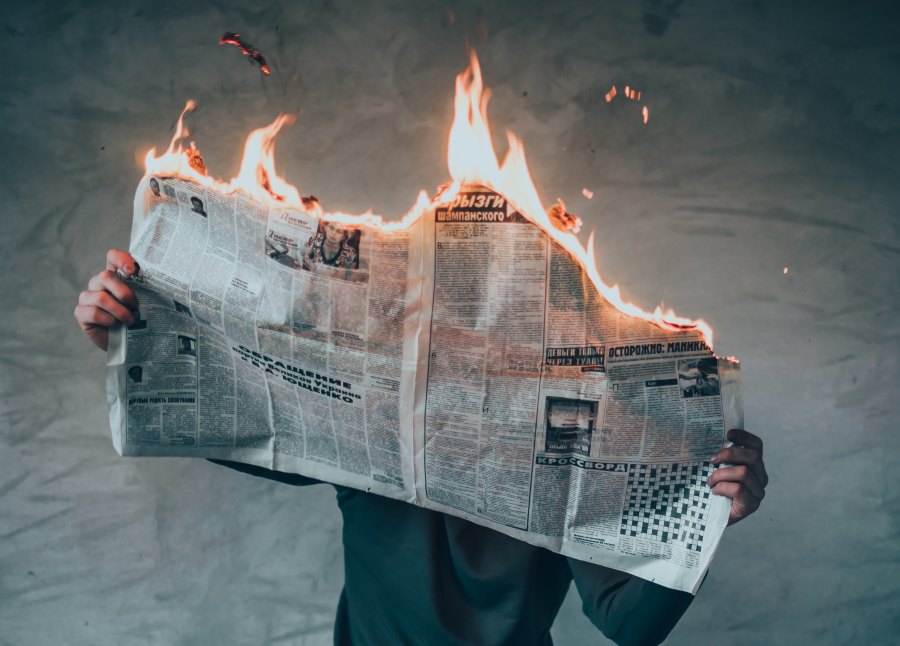
Listen to this bullshit: Amazon is making it so that their employee chat app will block and flag words like “union”, “ethics”, and “restroom”. They are also apparently going twist oil into their mustaches and tie any dissenting employees to the train tracks just as the old 5:15 comes in from Albuquerque. Scumbags. Solidarity with the workers, people! (Get a load in the quote below of what passes for communications damage-control at Amazon: WE’RE JUST TRYING TO HELP.)
AMAZON WILL BLOCK and flag employee posts on a planned internal messaging app that contain keywords pertaining to labor unions, according to internal company documents reviewed by The Intercept. An automatic word monitor would also block a variety of terms that could represent potential critiques of Amazon’s working conditions, like “slave labor,” “prison,” and “plantation,” as well as “restrooms” — presumably related to reports of Amazon employees relieving themselves in bottles to meet punishing quotas.
“Our teams are always thinking about new ways to help employees engage with each other,” said Amazon spokesperson Barbara M. Agrait. “This particular program has not been approved yet and may change significantly or even never launch at all.”
Hey all, my main gig is now teaching poetry through my school Walk the Line, but as a supplement to that I’ve also developed an online community space just for poets of all levels called Front of the Line.
It’s basically a stripped-down, subscription-based social media platform where poets support each other and post links, articles, poems for comment, comments on poems, tips on craft, book recs, crows about success and questions about process, contest announcements, reading periods and calls from poetry markets, etc. It’s like a cross between an ongoing asynchronous workshop and a poetry clubhouse. Anyway, I’ve moved much of Bookninja’s poetry-related content there.
That said, if you want to check it out, but are hesitant about signing up for a monthly fee without knowing how it works, I’m offering a no obligation free 10 days for the rest of April (National Poetry Month). Sign up, and if you don’t like it, no harm, not foul — just cancel before the 10 days ends and you won’t be billed. Do like it? You’ll just roll right in to a monthly subscription.
There are dozens of members already inside working away and sharing info, working at their own pace, and dipping into and out of the conversation and live events as they have the time. (We even have a reading series starting, featuring members from the group, but open to viewings by the public. First one is April 21!)
CBC looks at 27 new books coming this spring. I am especially excited for some of the poetry, including Stuart Ross and Andrew Faulkner, as well as the late great Patrick Lane. Enjoyed Lane’s early- and mid-career work most, but can’t pass up the opportunity to read his last book.
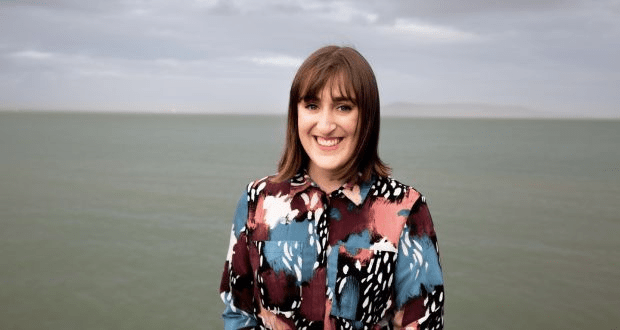
An interesting piece in the Irish Times on debut novelist (and, surprisingly, sister-in-law of Sally Rooney) Catherine Prasifika and her assertion that sci-fi is derived form uncertainty and that it can teach us what it’s like to live as a young person today. Hey, for an old guy, what is threshold for young now? Are millennials still young? Or are we talking the Zs, like my kids? But there’s something to this. I remember being especially attracted to sci-fi that either mirrored the world I saw coming (media- and tech-driven cyberpunk) or the one I saw going (oppression from cold war and fascist relics) and less attracted to the vagaries of interstellar wars and ship battles, etc. I mean, I liked the thought experiments behind books like the Ringworld ones, but the stories? Meh. Even books by authors I’d no longer read because they turned out to be terrible people (ahem, Orson Scott Card), were formative not just because they featured young protagonists, but because they leaned heavily into the anxiety of the times (worldly: xenophobia; locally: pressure to do well in school, etc.)
She lights up when she talks about fantasy literature.
“There’s this incredible power in science fiction and fantasy to evoke feelings that are difficult to evoke in realism. Sometimes if you’re writing realism, you’re writing books based on previous books that you’ve read, not reality as it is.” Her novel’s mysterious crack in the sky was “this way to use science fiction to evoke the anxiety of being a young person alive today”.
It is apt that Prasifka’s novel is about living with uncertainty, written as it was in the tumult of 2020. “I refer to it as my weird little book because I wrote it during the pandemic like a gremlin in my little cave.”
She had been working as a creative writing teacher in her old school, St Conleth’s in Ballsbridge, but then went on the pandemic unemployment payment. “I was like, have your anxiety spiral, then look at this as an opportunity. Never again will I be paid to stay home and to do nothing.” By December 2020 she had signed with an agent.
My friend Michelle Good has won Canada Reads, which has officially (note: may not be official) forced HCC to reprint the book at twice its normal size to accommodate the awards stickers on the cover. When this book was coming out in the late summer of 2020, I told her it would be the biggest book of the year, hands down.
Sniff. I love being right. Makes me weepy.
Good, a member of Red Pheasant Cree Nation in Saskatchewan, won the 2020 Governor General’s Literary Award for fiction and the 2021 Amazon Canada First Novel Award.
“The awards are nice and are deeply satisfying as an author but most important to me, awards elevate the profile of the book so more hearts and minds are exposed to the story that I felt compelled to tell,” Good said Thursday in a release.
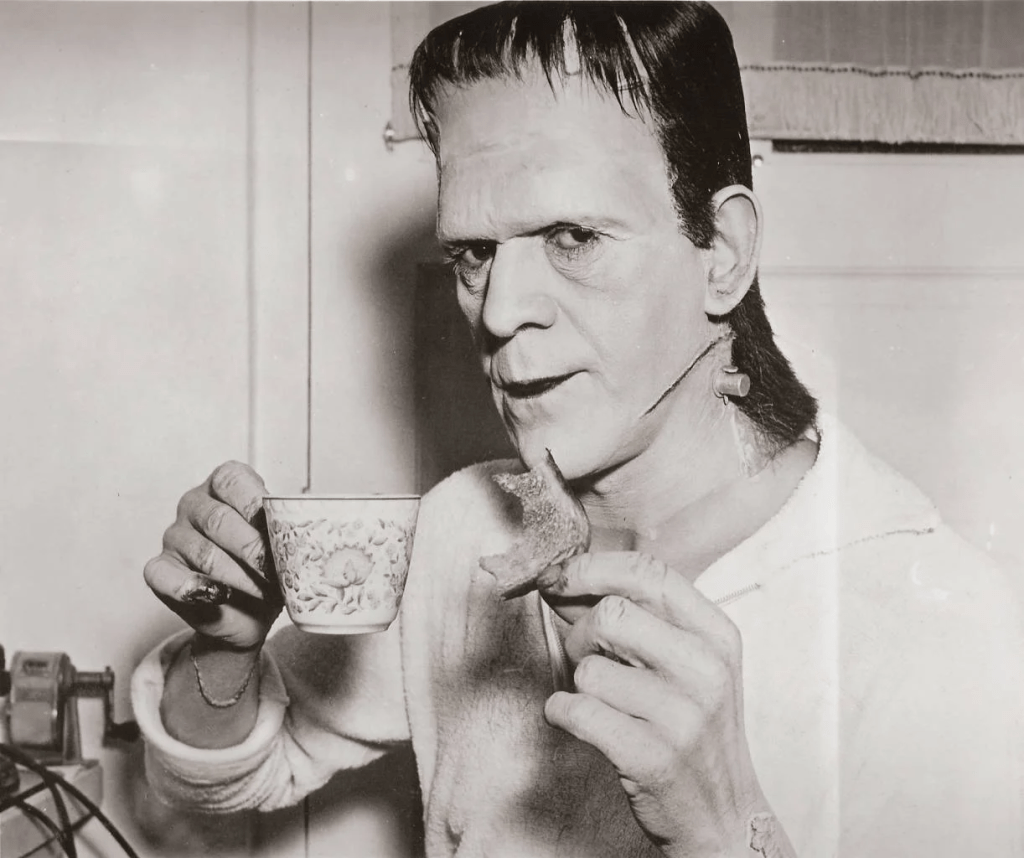
Every few years someone big (Time, etc., Esquire here) takes a stab at making a list of the best sci-fi books of all time. I mean, I guess. Certainly many of these are good. But I would say that more often they represent the “most influential” rather than the “best”. Do Androids Dream Electric Sheep? It’s okay. But is it there because it’s one of the best books or because Dick was a mad genius and it spawned Blade Runner which changed the face of pop culture sci-fi for movies? Frankenstein? The first sci-fi, arguably, the one that birthed the genre. But is it better than the prose of NK Jemisin or Octavia Butler or Ursula LeGuin or Kazuo Ishiguro? No, it isn’t. So don’t take any of these lists as definitive. There’s probably as many different top 50 lists as there are people with spare time enough to make them. Certainly my list would be different.
Science fiction’s earliest inklings began in the mid-1600s, when Johannes Kepler and Francis Godwin wrote pioneering stories about voyages to the moon. Some scholars argue that science fiction as we now understand it was truly born in 1818, when Mary Shelley published Frankenstein, the first novel of its kind whose events are explained by science, not mysticism or miracles. Now, two centuries later, sci-fi is a sprawling and lucrative multimedia genre with countless sub-genres, such as dystopian fiction, post-apocalyptic fiction, and climate fiction, just to name a few. It’s also remarkably porous, allowing for some overlap with genres like fantasy and horror.
Sci-fi brings out the best in our imaginations and evokes a sense of wonder, but it also inspires a spirit of questioning. Through the enduring themes of sci-fi, we can examine the zeitgeist’s cultural context and ethical questions. Our favorite works in the genre make good on this promise, meditating on everything from identity to oppression to morality. As the Nobel Prize-winning novelist Doris Lessing said, “Science fiction is some of the best social fiction of our time.”





 Bookninja