Falling forever

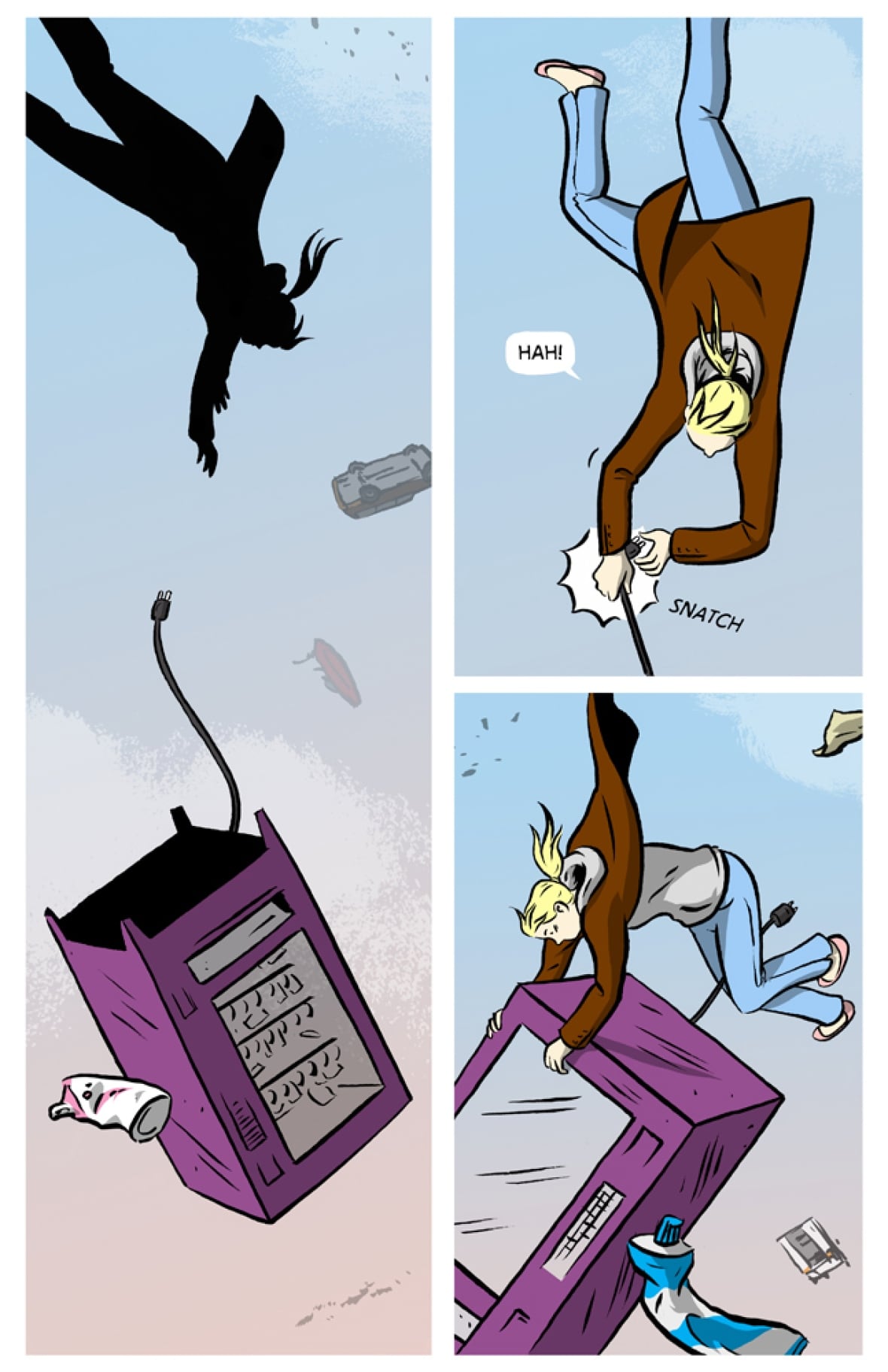
Sherwin Tjia gets a nice profile at the CBC around his new graphic novel, Plummet, in which the Earth suddenly disappears, leaving all the stuff (and people) on it behind.
CBC

“I thought that would be an interesting premise for a book. It took me a long time to find the story behind the premise. Ultimately, I put myself in the main character’s place and imagined what would be interesting about falling forever. I make reference to the opposite of that, the Rapture, which is like rising forever until you reach heaven. A lot of religious imagery portrays people falling to hell. But I sometimes wonder how long is that fall? Does it take an hour? Or will it take forever? Or is that hell — to be falling forever? I wasn’t entirely sure how to answer that.”

Everybody gets a trophy day

The Turner Prize went to all four people on the shortlist. Now no one needs to feel bad! Aw!

The group said a collective prize would also be a strong statement “at this time of political crisis in Britain and much of the world, when there is already so much that divides and isolates people and communities.”

The jury “rapidly, unanimously” agreed to the artists’ request, Mr. Farquharson said, feeling it reflected their work. “Their art, like so much art, addresses politics, addresses ethical concerns so I think in each case the poetics and politics of their work is inseparable,” he said.

Think you know Kundera? Czech again.

As Michael reports at the LitSaloon, Milan Kundera is now a citizen again, but they sure took their time about it.

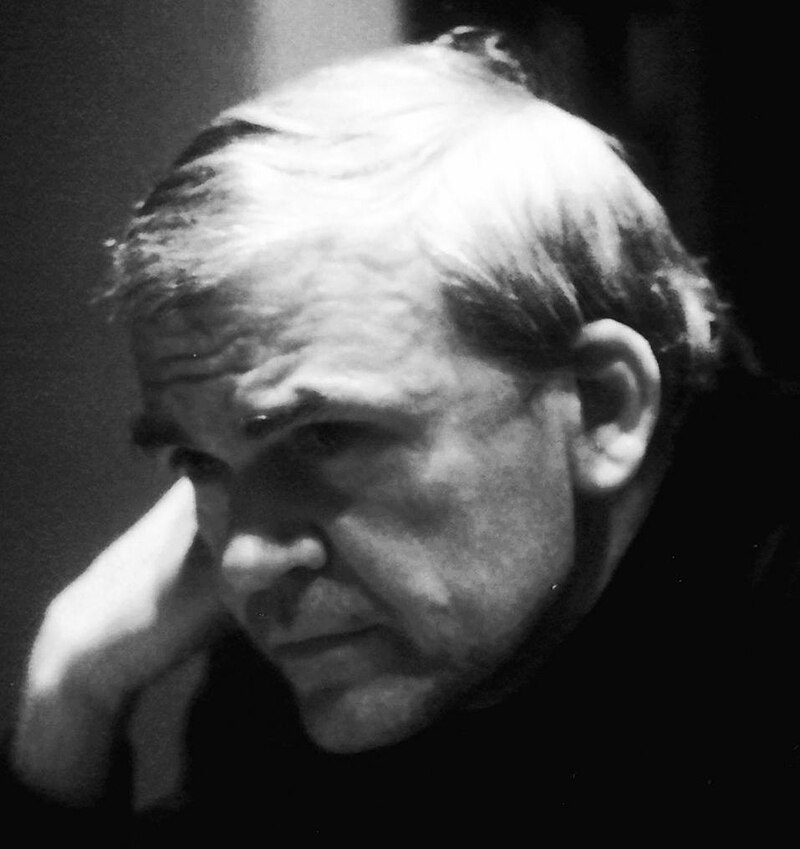
Milan Kundera, who turned 90 this year, has been a French citizen since 1981. Now, four decades after the communist authorities stripped him of his Czechoslovak citizenship, it has once again been renewed.

The exiled writer received the certificate of Czech citizenship at his Paris apartment last Thursday, in the presence of his wife Věra, from the hands of the Czech Ambassador to France….

The Impostor Poets

Not, not that guy in your workshop who refuses to read others because he’s worried it might influence his work–a group of Icelandic women who sound for all the world like they’re kicking ass by seeking to not be perfect. God, I wish I’d thought of this: impostor syndrome as a motivator. Think of how much I’d have gotten done.

Since the formation of Svikaskáld, we’ve taken this approach in various directions and also interpreted the root word in our name, svik—meaning betrayal, fraud, treachery, trickery, deceit, imposture—in many different ways. Any time we encounter a convention or tendency in society or the literary world, we give ourselves permission to put a question mark next to how things have been done, next to whatever it is that people seem to expect. That’s when, perhaps, we decide to svíkjast: to renege, to shirk, to refuse this precedent, to do things differently. We reject the original image of the poet—the macho master, the lone wolf. We do this by exchanging ideas, by “stealing” from one another, presenting ourselves as a group, sharing recognition, and not worrying about contradicting ourselves or the expectations of others.

What can sci-fi teach us about the future?

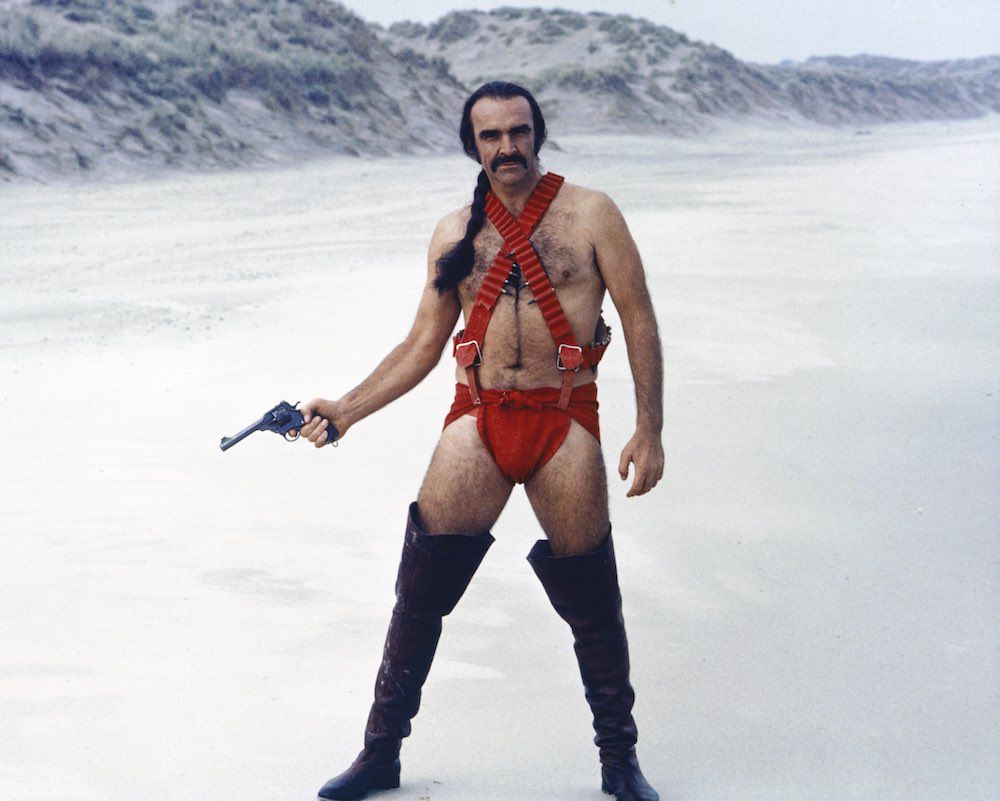
This podcast talks to the authors of The Exapnse about the future. Listen, having grown up on 70s and 80s scifi, I can tell you what the future holds: scantily-clad post-apocalyptic bears and sex robots. That’s all you need to know.

This week, Richard sits down with duo Daniel Abraham and Ty Franck, who write science fiction together under the name James SA Corey. Their bestselling space-opera series, The Expanse, which started in 2012 and is due to end in 2021, is set in the middle of the 24th century, when humanity has colonised the solar system. Human society is now beyond race and gender, and is instead divided on a planetary level: those living on Earth, on Mars and on various asteroids, moons and space stations called Belters.

Fresh Nobel gossip

Things are further degrading at Swedish Academy. Having only regained the stomach for looking at books news in September, I haven’t really been following this story, so don’t know where this fits in. (Listen, in truth, unless “berries” follows “Swedish”, I’m not sure how interested I am.)

Author and Nobel committee member Kristoffer Leandoer announced his resignation in in Swedish newspaper Svenska Dagbladet on Monday: “I leave my job in the Nobel committee because I have neither the patience nor the time to wait for the result of the work to change that has been started,” he wrote. “The Academy and I have a different perspective on time, one year is far too long in my life and far too short in the life of the Academy.”

Leandoer said his quitting was not linked to the decision to award the 2019 prize to Handke.

The Academy confirmed in a statement that Leandoer and literary journalist Gun-Britt Sundström had both left the Nobel committee, which, until Monday, was made up of four members of the Swedish Academy and five external members. Sundström could not immediately be reached for comment.