Q: How did Fifty Shades of Beige affect our sex lives?

A: not all that much. I remember when this fan-fiction-turned-bestseller came out and people told me there was contract negotiation than decent sex in it and I thought, Oh, this will disappear quickly. So young. So naive.
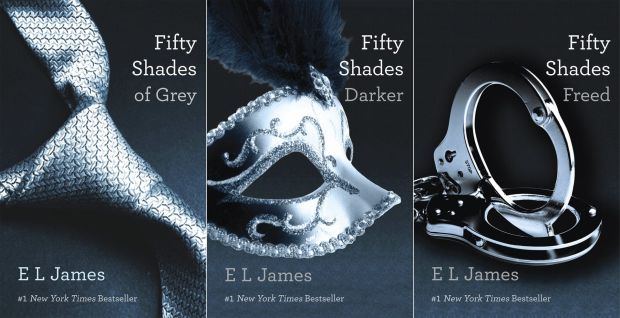
Immediately, attempts were made to measure its impact. Science was involved. Experts variously claimed that Fifty Shades was a sexual turn-off (among college-age women); a measure of women’s self-esteem (fans aged between 18 and 24 were more likely to binge drink, have eating disorders and end up in abusive relationships); responsible for increasing sexually transmitted diseases among the over-50s (anecdotal); and covered in herpes and cocaine (according to two Belgian professors who studied the surfaces of library copies). Sociologists predicted a boom in babies that could never be causally linked. Anecdotally, women on mum forums talked about their incumbent “Fifty Shades baby”, while retailers cashed in on knockoff “Generation Grey” onesies.

These days, with fourth-wave feminism, the ubiquity of hardcore pornography and the politics of the #MeToo movement, when millennials cheerfully joke about “eating ass” and choking has been normalised, Fifty Shades has been left looking a little naff. Yes, there are butt plugs and handcuffs, but the books feel very conservative now, with many of Grey and Steele’s simultaneous orgasms achieved in missionary as they gaze into each other’s eyes. Reading all 1,500 pages of the trilogy left me thinking, more than once: “I’ve had weirder sex than this on a Tuesday.”

Ye olde-timey news dump

An old (as in longtime; though increasingly for both of us, also as in middle-aged) Bookninja reader said yesterday that he missed the “news dump” type posts I used to do back in the day–wherein I’d post a bunch of snappy headlines and you had to click through to find out what the article was about. So here’s one:

People rise up against the King on Twitter

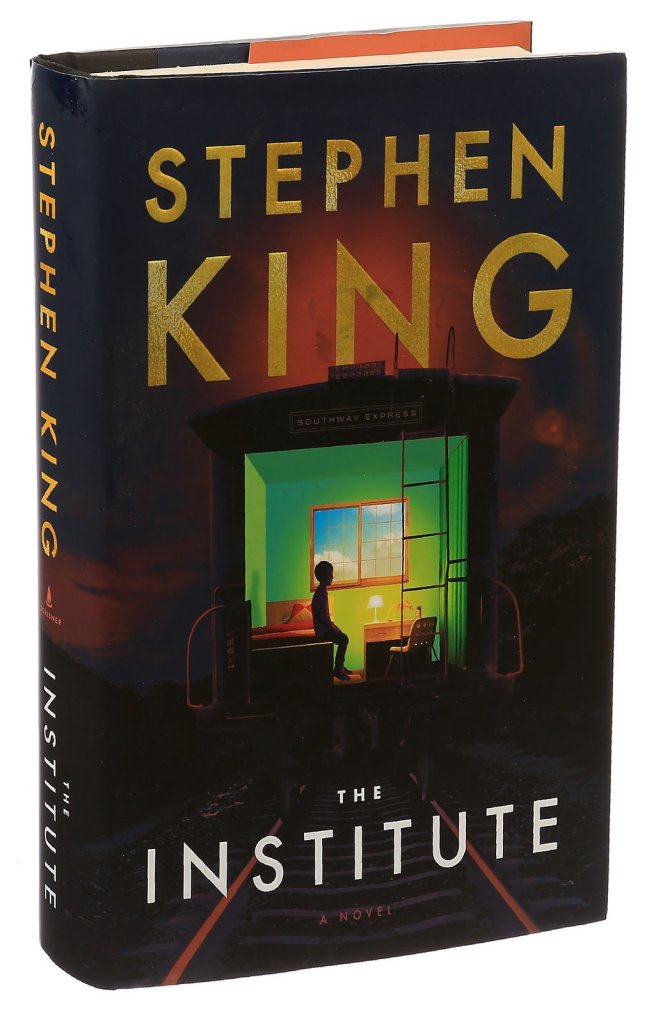
Stephen King, whose Twitter is generally a bastion of forward-thinking, progressive thought, said something that revealed some white privilege and Twitter is calling him out on it.

He said that diversity is not a consideration for him when he votes as a member of the Academy. “I would never consider diversity in matters of art. Only quality. It seems to me that to do otherwise would be wrong,” he said on Twitter.

He has since been criticized by leading Hollywood names and authors saying his argument centers on the idea that quality and diversity are mutually exclusive. 

On working with Elana Ferrante

The magnificent Merve Emre with a wonderful essay on working with the mysterious and demanding novelist.

Part of me wishes I had never pursued her. She eludes me, scolds me, ruins my pleasure in having written thoughtful questions. She has made me self-conscious, exasperated. The entire time I have been writing this piece, I have felt a prickling sense of guilt. Ferrante wrote at the outset of our correspondence that she does not like it when a text is taken as an opportunity for talking about something else—the author, her readers. “I prefer work that concentrates on the page,” she writes. “A good critical work says to the reader: here’s where the author started from, here’s where he wanted to take me, here are the means he used, here are the goals he was aiming for, here are his debts to tradition, here’s why I liked or hated it.” I hear in this an implicit injunction, a command. I worry that I have behaved irredeemably.

Queer fantasy rising

LGTBQ~ fantasy is coming into its own and publishers are snapping them up. Really heartening to see.

The rise of such universes, where queerness is immutable and homophobia is not, will offer escapist worlds for LGBTQ people who would like to forget, if only for a moment, that our existence is questioned in the real one – how we should live or act, whether we should be allowed to live and act at all. But escapism doesn’t mean frivolity: these novels are also offering a glimpse of a world that could come, or the kind of world we want to build.

Book hunting romance story

Help this dude find a missing volume of Shakespeare so he can give his partner the sort of romantic gift that makes you melt.

from CBC (love the “handle with care” Stick-It juxtaposed against the Nike box)

Omar Gutierrez, who recently finished a Master’s degree in English and became something of casual Shakespeare buff while in university, said he was in the market for a gift for his girlfriend.

The sign caught his attention, and he asked to see the collection.

“On our first date, we went to see a Shakespeare play in Stratford,” he explained. “We went to see the (Merry) Wives of Windsor. She really liked it.”

He wasn’t completely sold on the antique books until he noticed the first one contained the play he and his girlfriend had seen in Stratford in the summer.

“That kind of ultimately convinced me that I should get it. So I did.”

Neil Peart saved my books

Dearly departed RUSH drummer Neil Peart saved my pubisher ECW Press (article is behind a paywall, sadly). ECW is a medium sized publishing house that works on a very smart model of publishing everything from trashy wrestling books and celebrity tell-alls to pop culture handbooks for beloved tv shows, etc. They then funnel significant bits of the money they make from books people actually want to read into a literary line of poetry and fiction. I get more attention, money, and support form them than from any other press I’ve worked with, small or large. Seems to be working.

TS Eliot Prize goes to Roger Robinson

While I’m glad to see dub poetry getting some mainstream love, I’m sad Karen Solie didn’t make it. She’s our best working poet. Next time, Solie!

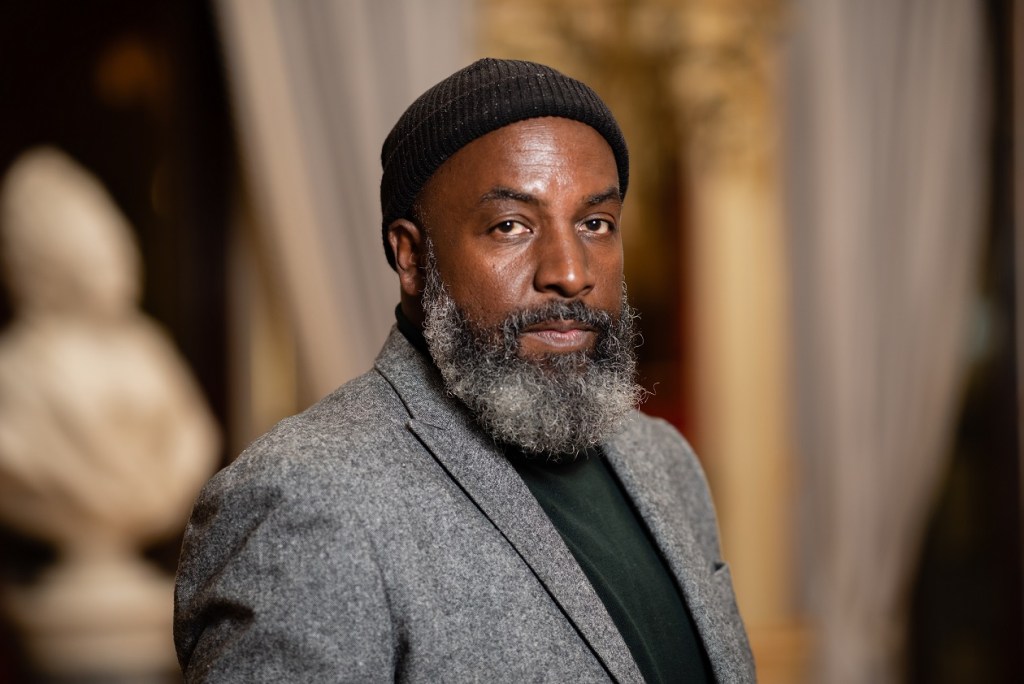
John Burnside formally announced Roger Robinson as the winner of the
T. S. Eliot Prize at an Award Ceremony in the Wallace Collection on Monday 13th January. Roger was presented with a cheque for £25,000 and each shortlisted poet was presented with a cheque for £1,500 in recognition of their achievement in winning a place on the most prestigious shortlist in UK poetry.

The award ceremony was preceded by the thrilling and varied T. S. Eliot Prize Readings on Sunday 12th January, held in the Southbank Centre’s Royal Festival Hall. In the largest event of the poetry year, all ten poets read to a sell-out audience in a fantastic evening of poetry.

Wow, I could read that last sentence aloud about 100 times and not get tired of hearing it.