Hey, desperate homeschooler

Are you looking for guided reading lesson plans? [opens trenchcoat**] I got your guided reading lesson plans right here for real cheap like. (I know what you’re thinking…. You’d prefer UNGUIDED reading plans so you can get some shit done. But who are you kidding? You’re not getting anything done except growing new cellulite and making terrible memories you’ll one day force your grandchildren to listen to. So just go read with your kids.)

Guided reading is a method of literacy instruction that is generally done in a small group setting in a way that allows students to encounter and understand ideas and concepts they have not seen before. Working with their educator, readers might go over previously read text or words, apply known reading strategies to new texts, and/or engage in conversations about what they have read.

For parents or guardians interested in working with their student, my recommendation would be to start by reading new texts together and then discussing what you’ve read. For younger kids, this might mean having them read some new sentences from an age-appropriate text that makes use of words they already know.

**
GoF***Me (over)?

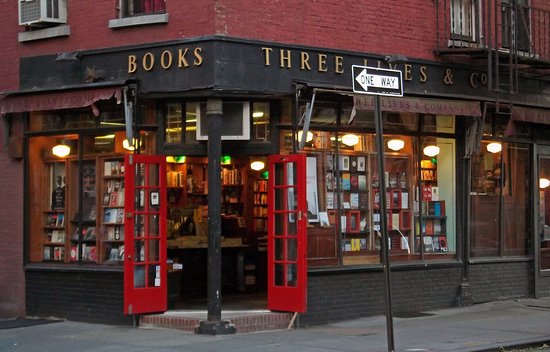
Times are tough and indie bookstores are turning to GoFundMe campaigns to ask for loyal customers’ and supporters of the industry’s help. But what happens once the money is collected? A shit show, it appears.

Growing numbers of indie bookstores in the U.S. are turning to GoFundMe to raise funds to pay expenses like payroll, rent, and utilities to stay afloat in the absence of customers this spring. But some bookstores are having problems actually accessing those funds.

High-profile booksellers seeking recourse have flocked to the platform, including City Lights Books in San Francisco, probably the most famous indie bookstore in the country. Elaine Katzenberger, publisher and CEO of City Lights Booksellers & Publishers, launched a GoFundMe campaign on Thursday to raise $300,000 for the iconic institution, which was founded by Lawrence Ferlinghetti in 1953. Its headline was blunt: “Keep City Lights Alive.” By Monday morning, the campaign had raised more than $450,000, a seemingly rousing success celebrated immediately online by the literary world—just as it previously heralded Ann Arbor’s Literati Bookstore’s success in raising $100,000 in just 48 hours through the platform.

Yet a number of the stores that were among the first to launch successful campaigns in the wake of the novel coronavirus pandemic are complaining that, to date, GoFundMe has not released the funds promised them. 

Tuesday Newsday

** The name “Poets & Writers” used to always stick in my craw. Poets are different from other writers? Now I see that this is true. We are better.

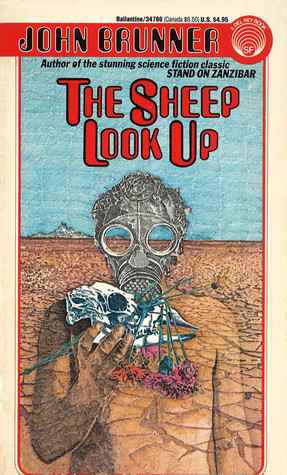
On John Brunner, prophet

You know, I have been recently rereading some scifi classics I read as a kid and boy, was I really not ready for some of them back then. Not sure I’m ready for some of them now. Solaris, Left Hand of Darkness, Steel Beach, A Canticle for Leibowitz, etc. But I think the best among them instilled my liberal values. The Sheep Look Up is one I am just about to come back to (having read it when I was maybe about 17?) and I found this BBC piece from last year declaring Brunner a prophet for our (pre-Covid) times.

In 1972, he published one of his most pessimistic novels, The Sheep Look Up, which prophesies a future blighted by extreme pollution and environmental catastrophe. And his 1975 novel, The Shockwave Rider, created a computer hacker hero before the world knew what one was. It also envisaged the emergence of computer viruses, something that early computer scientists dismissed as impossible. He even coined the use of the word ‘worm’ to describe them.

Today, his name is little known beyond sci-fi aficionados, and he’s chiefly remembered for Stand on Zanzibar. Big, ambitious and formally experimental, it’s a science-fiction thriller that depicts a world confronting population control. By 2010, Brunner declared, the world’s population would top seven billion (he was a year out – this actually happened in 2011), and in his fictional world, governments have responded globally with draconian eugenics laws, harnessing genetics to determine who can and cannot be allowed to have children.

When magazines rule the Earth

Lapham’s has an interesting article looking at some ambitious early magazine projects that thought way outside the gutter.

The grandiosity of these ideas required a certain minimum of power that editors today do not possess. Though not every editor saw his ambitions fulfilled, these three forays show how magazines first experimented with their sway over readers’ tastes, dreams, and buying habits. In the interwar period the salesmanship became even more brash—probably because print had lost its dominant status. Harper’s Bazar (as it was then spelled) advertised gift packages curated by the editors and Parisian shopping itineraries designed by their expat fashion expert. Today we might be affected by the same hunger for a product endorsed by Better Homes & Gardens, the Wirecutter, or Young House Love.

But what would we be seeing if making a profit were less of a burden? What if media tastemakers had, once again, a measure of financial and reputational influence to bet on visions of the future? Today entrepreneurial rather than editorial innovation suggests an answer: Washington Post owner Jeff Bezos’ ten-thousand-year clock and spaceport, for example. Alternatively, branding feeds more branding until the point of collapse, as was the case of Trump University or the Fyre Festival.

Happy [insert religious holiday here] news post

Do you worship or pay respect to something higher than yourself? God? Allah? The spirit of spring renewal? A divine clockmaker? The benevolent lich named Jesus? The early and mid-career works of Radiohead? That angel that didn’t kill your kid? The works of Seamus Heaney and Samuel Beckett (each born OTD)? Well, this sure seems to be the time of year for you! Hope you find some comfort and happiness in your rituals, even without the ability to share them face to face with friends and family.

On social justice books

BookRiot is spending the day looking at social justice — an endeavour Bookninja heartily supports. So, we’re arming the populace, preparing the barricades, and constructing guillotines, right? Oh, I see. Well, baby steps.

From civil rights, to feminism, to activism for kids, we’re spending the day taking a look at social justice in literature. Take the time to expand your knowledge of important political movements, gain the tools to engage in meaningful conversations about current issues, and gain some historical perspective. We’ve got the books and conversations to help you tackle the tough stuff and make an impact.

Even the companies that publish mass market garbage are suffering

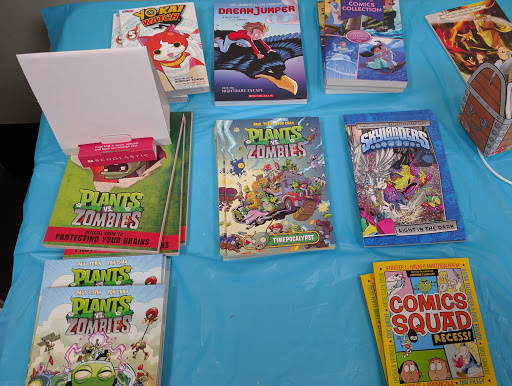
You know those “licensed books” that the once magnificent Scholastic Books catalog is now riddled with? The ones where it’s like, Minions Go on a Picnic, or How To Train Your Dragon to Not Eat the Rich, or Dora The Explorer Participates in Colonialism, and it comes with stickers and a CD or something? Well, here is an article on how they are trying to cope with the situation at hand and still make a metric shit-ton of money off people not educated enough (or frankly, tired enough of their kids’ whining to give up) to not buy their inane garbage. </snobbery>

Publishers of licensed books tend to rely more on distribution through mass merchants than children’s publishers at large, whose sales skew more toward trade channels. This fact has helped mitigate the sales declines that have accompanied the spread of the new coronavirus. On the other hand, publishing licensees are dealing with the unique challenges that come with releasing tie-ins to feature films that are being postponed indefinitely or being watched online instead of in theaters.

“We sell an awful lot of licensed books in mass merchant accounts like Target and Walmart, and they’re still open because they sell food,” says Jon Anderson, president and publisher of Simon & Schuster Children’s Publishing. “So we haven’t seen quite the impact in licensed books as we’ve seen in some other categories.”

Coloring and activity titles in particular have been selling well during the crisis. “Our coloring and activity and preK–2 workbooks are doing very well as a category,” says Ben Ferguson, CEO and president of Bendon. “There are 57 million kids at home who are looking for in-home, quiet activities, and that’s driving our product tremendously. The sell-through is better than we’ve ever seen.”