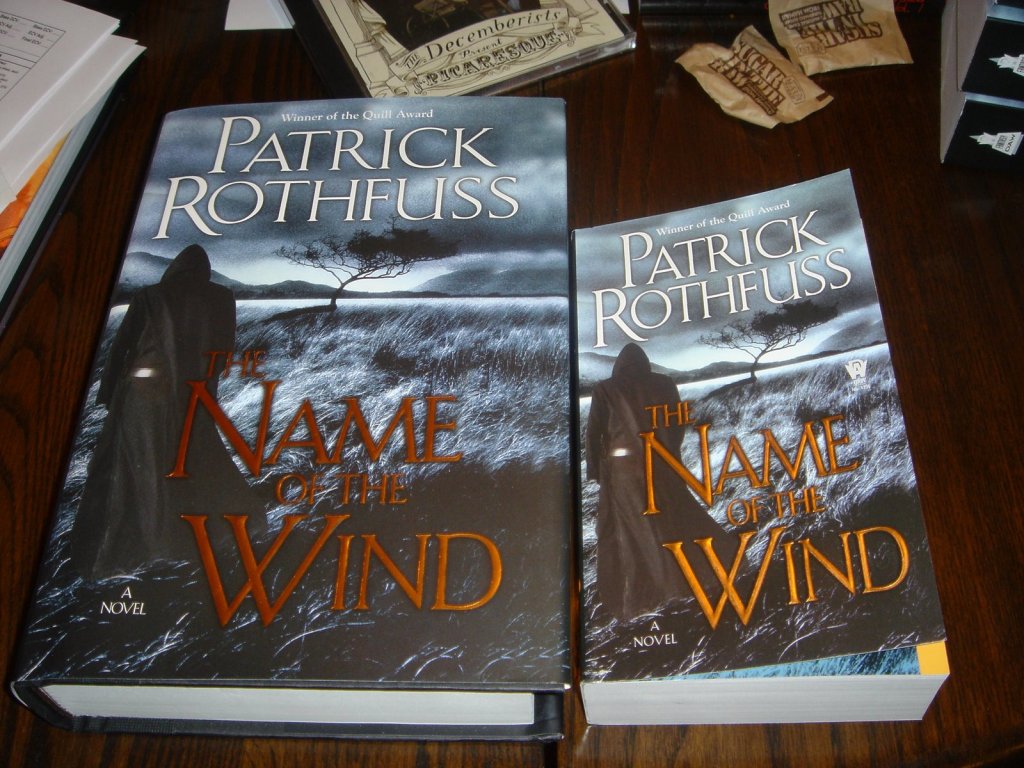
Although it depends on the publisher, the paperback release usually comes when sales for the hardcover book have subsided with the average time being six months to a year between the initial hardcover release and the paperback edition. With the release of the paperback version, publishers are able to create a new round of publicity for the book that can create enough fanfare to entice a new crowd of buyers along with the super fans purchasing another copy of their new favorite book that is more travel friendly.
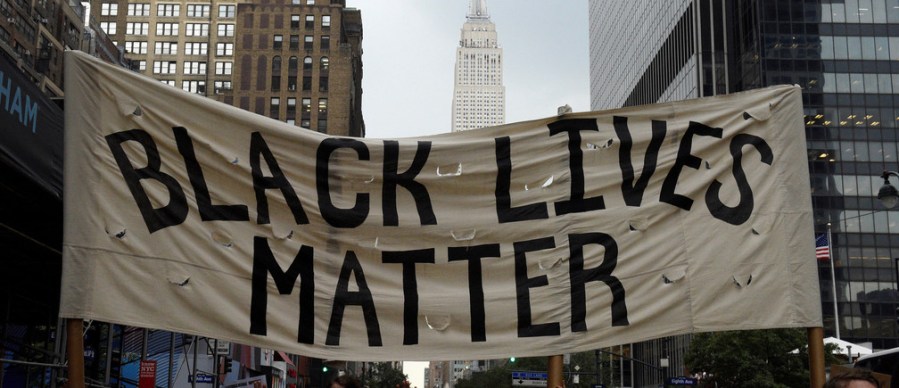
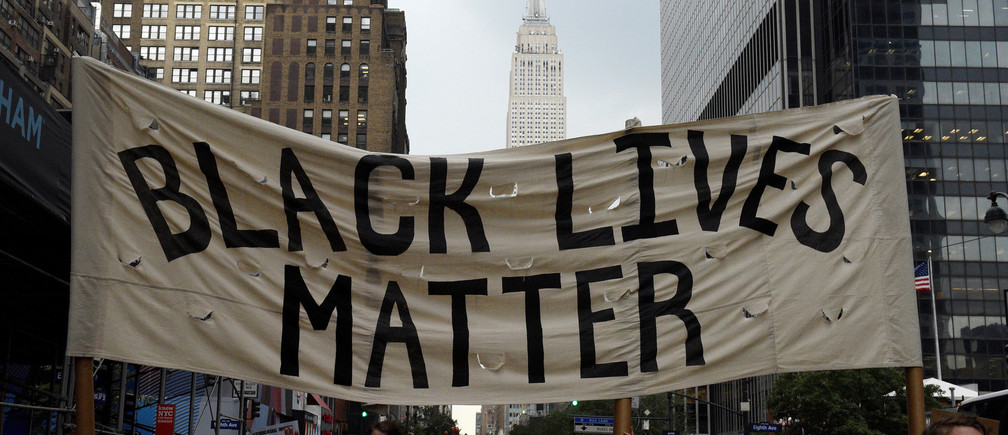
What a complete, unrelenting shitshow the world is. And has been. I think this weekend we don’t drink for fun, we drink for medicinal purposes. Speaking as the most privileged person in almost any room (a white, straight, middle class, cis man) I can only imagine what people are going through, but I stand in solidarity with all that’s happening. Waiting for protests to be organized here to attend as a background sign holder. Hope the new week coming brings better news and more change.
The Coleseses are starting to close down (my first non-shovel/dishwater-related job was at Coles… I remember being starstruck by being surrounded by writers I admired. Now I actively try to avoid the company of writers… Growth);
In August 2019, LJ spoke with Kaetrena Davis Kendrick, then associate professor and associate librarian at Medford Library, University of South Carolina–Lancaster, and the Association of College and Research Libraries (ACRL) 2019 Academic/Research Librarian of the Year, about her research on low morale among academic librarians. Using this and her earlier work on low morale among racial and ethnic minority librarians as a template, Kendrick recently completed a new study examining low workplace morale among public librarians, and is working on a report analyzing responses to a November 2018 call for librarians who wished to talk about their experiences.
What she discovered included a disturbing level of abuse coming from patrons, a lack of institutional support to help librarians resolve such issues, and a mindset in which librarians view surviving such abuses as “earning their stripes.”
LJ caught up with Kendrick to hear about the survey, its overlaps with—and differences from—her previous work, how vocational awe and resilience narratives feed into the acceptance of abuse, countermeasures to develop assertive communication practices, her current work on low morale during the COVID-19 crisis, resources for librarians who would like to find communities of support, and more.
The world of publishing these days is consumed by the big book, the one that seems to take all the oxygen, all the advertising and yes, again I understand the economics of it, and its commercial necessity for booksellers and publishers but these successes used to fund the fledgling careers of new writers – not so much these days.
The big book pushes the smaller presses to the margins and the voices of our authors to the edges. It greets the casual browser with a big hello and says, you don’t really have to go anywhere else in the bookshop because it’s here, the book you want and need, stacked high on this table.
Prior to the demise of the net book agreement in 1995, when books could not be discounted, the publishing decisions were made by editors. Today, the most important decision makers in corporate publishing will be the sales and marketing people. They have lots of graphs and Venn diagrams but publishing and creativity doesn’t have a template.
Amazon may have the best marketing algorithm on the planet, but algorithms are not best placed in finding great new talent and stories. People do that.
I believe people in my sphere refer to this as “the Murray Goodbye“… You finish a conversation at a table, slap your knees and say, “Right!” and then walk silently from the room;
There’s quite a few articles out there giving reading lists of anti-racism books that can be foundational for our rehabilitation as a culture. I am not educated enough to provide you with my own list, so here are a bunch. Pick one and start reading. When you’re done, pick another. And give the one you just read to a white friend. Yes, it’s a lot of reading, but we have a lot of catching up to do.





 Bookninja