What’s next (to read)

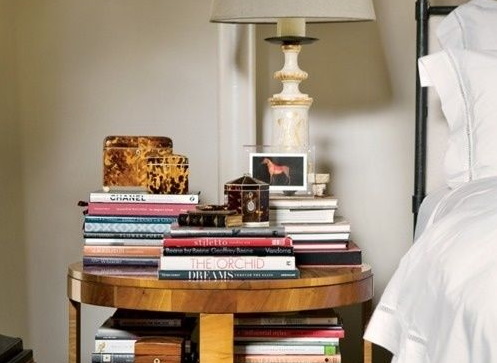
We all know what’s next outside of reading. Frogs raining from the sky. Famine, War, Pestilence, and Death. But in terms of what you’ve “got on your nightstand”, how do you decide where to go? I shuttered Bookninja for an 8 year hiatus in 2011, so I missed this article and many others like it during that time off.
To go from one book to another all by themselves. It sounds simple enough. As a young person just entering the world of post-academy literature, the challenge may be discerning “what’s good.” In youth, there is a blessed naiveté about this, a hunger for objective, definitive recommendations from an authoritative source. In graduate school, when a professor first challenged me to “create your own map of literary influences,” it was indeed a revelation: the image I remember conjuring was of lily pads — each of us in our own deep black pond, bug-eyed and hopping from one pad to another. Sometimes just one pad over, sometimes a greater leap to the far shore.  Apparently random, and yet mysteriously considered.

As we get older — as the nature of our work and passions specifies, as our aesthetic palates grow more particular — we understand that, given the sheer number of artful and compelling books in the world relative to the time we have on the planet, “good” is more contextual than absolute.  Deciding what to read next is thus as much about Knowing Thyself as Knowing Literature.  School attempts to teach the latter; it’s the self-knowledge that we must develop on our own, over time.

And so, in my humble opinion, the process by which you decide what to read must not be outsourced — to your professors, to reviewers or awards, to online algorithms.  An external source can’t tell you what you need to read next any more than a spouse can tell a pregnant partner what she’s craving to eat; what will satisfy. Read what you want and when you want. Choosing what to read is about attuning yourself to what it means to be nourished.  By this I mean confronted, changed, filled, emptied, engrossed, surprised, instructed, consoled — all these.  You.  At this moment in time.
Thursday news

Your brain on ebooks

Turns out reading on screens does affect your brain, but not in the way you might think. I find I can now read magazines articles and blog posts on my phone, but can’t do sustained narratives. Fits the research below. That said, my son who is 17 is reading my novel in progress as the chapters are written and has so far read 360+ pages on his phone. Boggles my mind. Generational thing? I would guess. Ironically, this is the kid who is also writing his own novel at the same time, but is doing it long hand in a notebook. These Gen Z types are weird, man.

As it turns out, the research so far suggests that although the prevalence of screens has yet to “rot our brains” or turn us into zombies, this development has changed the way we read. Neuroscientist Maryanne Wolf has written extensively about how the reading brain is changing in the digital age. In a 2018 interview for The Verge, she explained that the literacy circuits in our brains have a high degree of plasticity, meaning our reading processes—the way our brains interact with written material—are constantly shaped by the kind of reading we do on a daily basis. In our modern world, this plasticity is both good and bad. On the one hand, our brains need to be adaptable enough to keep up with the times and sift through the vast amounts of information available to us through the internet. But at the same time, this rapid adaptation to screens seems to be weakening other reading skills and processes: namely, what Wolf refers to as “deep learning” and “cognitive patience.” She claims that digital reading teaches our brains to skim and that if we don’t balance this skimming with enough deep, focused reading—the kind we’re more inclined to do with printed texts—we begin to lose our ability to read critically and empathetically.

What will happen to travel writing?

Bookninja pal and reader Bert Archer (and his allied tradespeople) might be clutching at pearls right now, but this guy says to not worry. Travel writing might also go local. Not sure that’s really a don’t-worry scenario for people who are addicted to globe-hopping, but it’s good enough for me.

By the time I finished my editorial work on this year’s edition of The Best American Travel Writing—about five weeks into my state’s mandatory stay-at-home order—I’d had plenty of time to think about the future of the form. During the first few weeks of lockdown, I was invited on to a podcast with several other travel writers to discuss “Coronavirus and Predictions on the Future of Travel Writing.” With gloom and doom, I speculated about magazines suspending publication, compared this to how travel had “irrevocably” changed after 9/11, and declared that this was “the extinction event” for a certain type of travel publishing. To be honest, I had no more idea of what might happen than anyone else, and I still don’t. But I held forth anyway, and I am aware that whatever I write now, in the spring of 2020, may seem naïve, hysterical, or wildly inaccurate by the fall, when the anthology is published, never mind a year or five from now.

New Rowling story is free

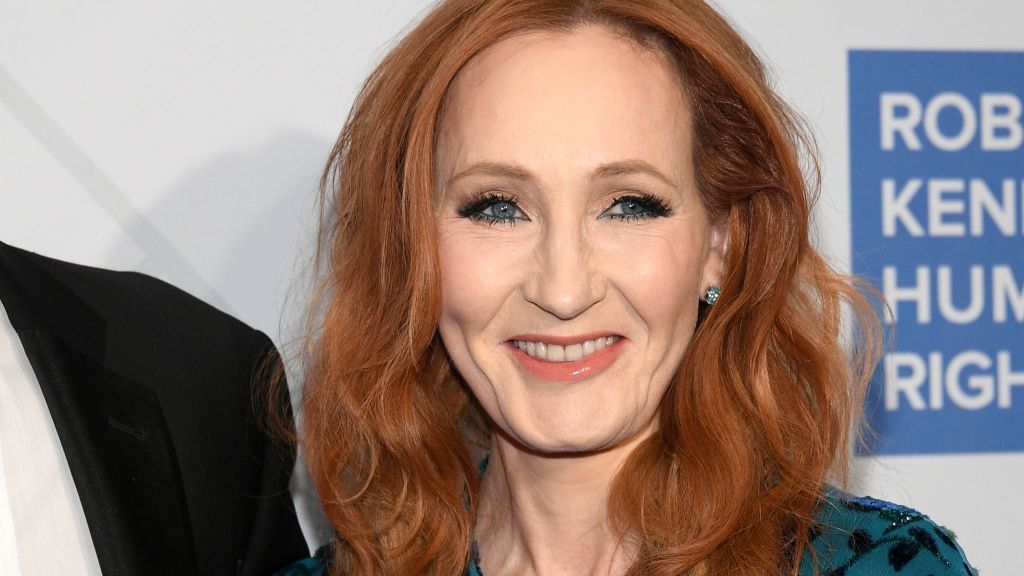
Children’s author and noted TERF supporter JK Rowling is releasing a free serialized story for kids called The Ickabog (<<read at this link). Free is exactly the right price point for Rowling, so far as I’m concerned. She’s a billionaire and for as much good as she does, she also does stupid shit like back TERFs, so I’m not willing to shoot her any more money than I already have (all four kids read the same copies of the Potter books — at least until Book 5 when things got so bloated and unedited that even the kids were like, “When will this fucking thing end?”) Anyway, here’s hoping the chapter a day buys you some time to yourself under the guise of educating your children on reading.

The Ickabog, which is set in an imaginary land unrelated to any of Rowling’s other works, will be serialised online from Tuesday afternoon, in 34 daily, free instalments. It will then be published as a book, ebook and audiobook in November, with Rowling’s royalties to go to projects assisting groups impacted by the pandemic.

Rowling described The Ickabog as “a story about truth and the abuse of power”. It came to her “well over a decade ago”, so she stressed that it “isn’t intended to be read as a response to anything that’s happening in the world right now”.

Hump day dump

Halfway there, folks. It’s just up ahead, that Friday, waiting; lens flares shining on its shoulders like sunlight glinting off the dew on a cold bottle of beer. Look, it’s waving at you! “Come sit with me and have a drink, pal,” it says. You don’t have to wear a mask with me… Power through, people. Don’t let the end of the world ruin this for you.

Bookstore roundup

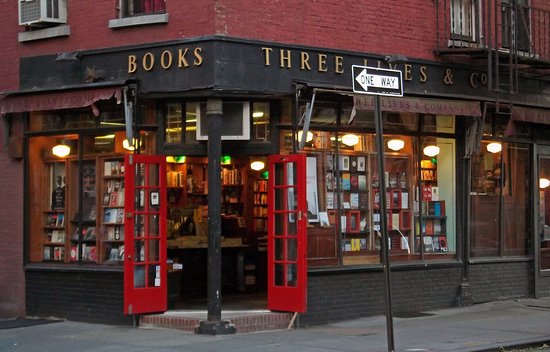
Here are a few articles on bookstores and the times in which we live and die. Just a reminder that you should be trying to patronize indie shops during this time (and all times, really). Though have some patience as they deal with things, please.

Don’t, like, try to pigeon-hole me, man

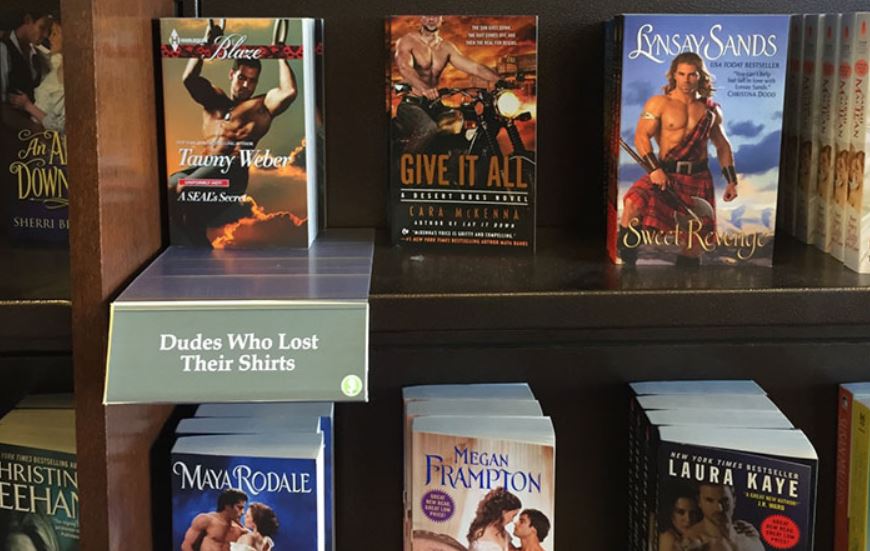
Is the way we categorize books out of touch? Tim Parks says in the NYRB that a careful eye can come up with a different way of grouping books that is perhaps more fruitful. This all sounds great in theory, but do I really want to enter a bookstore organized this way? I’m not really a browser anymore. I’m a more of a “Oh, Danine said to read NK Jesimin, so I’ll just go right to the SciFi section and grab all three books of the series and GTFO of this overpriced housewares store that also has books” type shopper. But I suppose everyone is free to arrange as they like at home. Or, you know, guerrilla styles in store.

Why do we categorize novels? Fantasy, Chick Lit, Crime, Romance, Literary, Gothic, Feminist… Is it the better to find what we want, on the carefully labelled shelves of our bookshops? So that the reading experience won’t, after all, be too novel.

Or is it simply for the pleasure of putting the world in order? French Literature, German Literature, American, South American, Korean. Or again, Renaissance, Eighteenth-Century, Postwar. In line with the notion of a body of knowledge—such that the more you read from one area, the more you can claim to be an expert, or at least a buff. There is even World Literature, which is not quite the catch-all it seems; rather, those novels that have appealed to many nations over the centuries, or that do so today. One chooses them to be a citizen of the world, perhaps, suggesting that behind the category is the desire to categorize oneself, the pursuit of identity.

In any event, I want to propose a different way of categorizing novels, or at least arranging the ones you have read on your shelves: something that came to me after reading Dickens and Chekhov in quick succession.

See, Dad?!

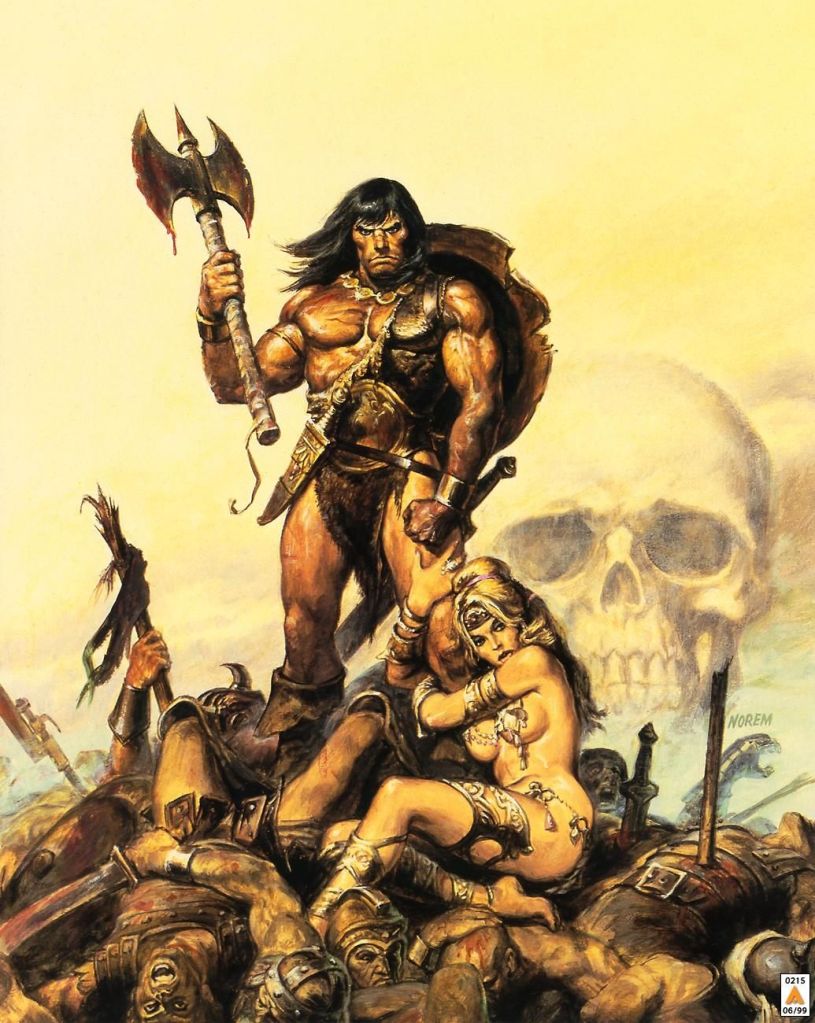
SciFi and Fantasy do not rot young brains; they nurture them. My parents didn’t care so much about what I was reading as they did about me regularly getting my ass handed to me at school, but there was definitely an element of derision in my household. I think they saw the very real cause-and-effect of my nerdy pursuits. First around the D&D, which my mother thought was Satanic (funny how many hypochondriacs crossed over into social “diseases” at that time as well), and second around my long hours spent reading indoors instead of going out and doing normal kid things like running until you collapsed and breaking stuff. It all evened out when I discovered punk girls and wanted to get laid. My dad was so relieved, I think. Of course, all my nerdiness couldn’t be kept down forever! It may have been swept under the carpet for a few years, but now look where it’s led me: I’m a nigh-50 penniless poet work on an interminable fantasy novel. So, who was right, Dad?! Me, obv.

Okay, maybe it did rot my brain just a little bit….

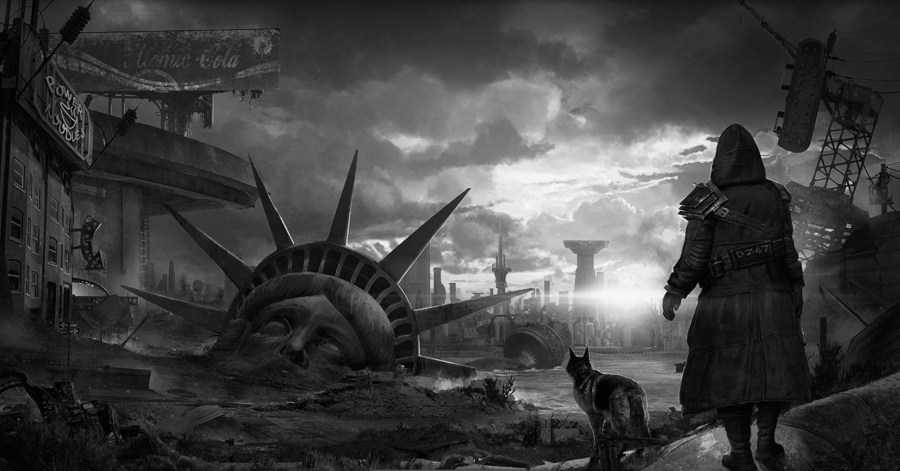
Reading science fiction and fantasy can help readers make sense of the world. Rather than limiting readers’ capacity to deal with reality, exposure to outside-the-box creative stories may expand their ability to engage reality based on science.

A 2015 survey of science fiction and fantasy readers found that these readers were also major consumers of a wide range of other types of books and media. In fact, the study noted a connection between respondents’ consumption of varied literary forms and an ability to understand science.

With increasing rates of anxiety, depression and mental health issues for youth in the past two decades, it may be the case that young people, no different from American society generally, are suffering from reality overload. Young people today have unprecedented access to information about which they may have little power to influence or change.