What will happen to comics?

The Guardian looks at the comic book industry and how it handles massive disruptions in the economy. Marvel and DC will be fine (wait, DC is worth MORE than Marvel? Huh), but the shops that sell them and the distributors who get the product there are hurting. I have a somewhat faded connection to this whole world, in that from about 1980 to about 1985 I religiously collected X-Men comics (I bet a few of those babies are worth a penny now). I quit when everything started to be about multiple timelines and dimensions and resurrections of dead characters, but I’ve maintained a peripheral interest in what is happening in the more independent world since then, and my kids are now into the whole manga thing, so I’m sad they might not get to feel the newsprint-y paper between their fingers as stories move online.

And Marvel has cut its editorial staff by half, according to a source familiar with the situation. A Marvel spokesman said the company would not confirm numbers, but that all the cut staff were furloughed, not laid off, and the firm would continue providing health insurance “for the duration of the furlough period”. Bleeding Cool also reports that Marvel has stopped work on at least 20% of its forthcoming books. However, it is offering some discounts to publishers.

Ron Hill, owner of New York shop Jim Hanley’s Universe, says he appreciated some of the gestures, especially those of individuals such as Lee. But overall, he feels upset by the weak response of publishers to the pandemic. Hill, and retailers like him, don’t only need discounts; they need debt relief, and recognition that everyone – shops, distributors, studios – is now in the same boat. The faster that happens, he said, the better everyone’s chance of survival.

“This is beyond 2008, this is beyond the Great Depression,” Hill adds. “I’m just a guy who sells comic books but I feel like this is true up and down. How are we gonna do this? I’m reading that Macy’s is gonna go out of business, and AMC [movie theaters] is gonna go out of business. Why are we letting these places go out of business?”
Covid-19 vs the publishing industry

So I separated out a bunch of links from the news dump because it was nice to have a news dump that had no fucking virus news in it for once, and I am frankly barely keeping it together every morning trying to sift through this depressing nonsense. That all said, there are a few interesting pieces on how the epidemiological shitshow is affecting our industry that I still feel the need to share. These are mostly meatier pieces, instead of the constant stream of listicles and recommendations coming from everyone who has something to flog.

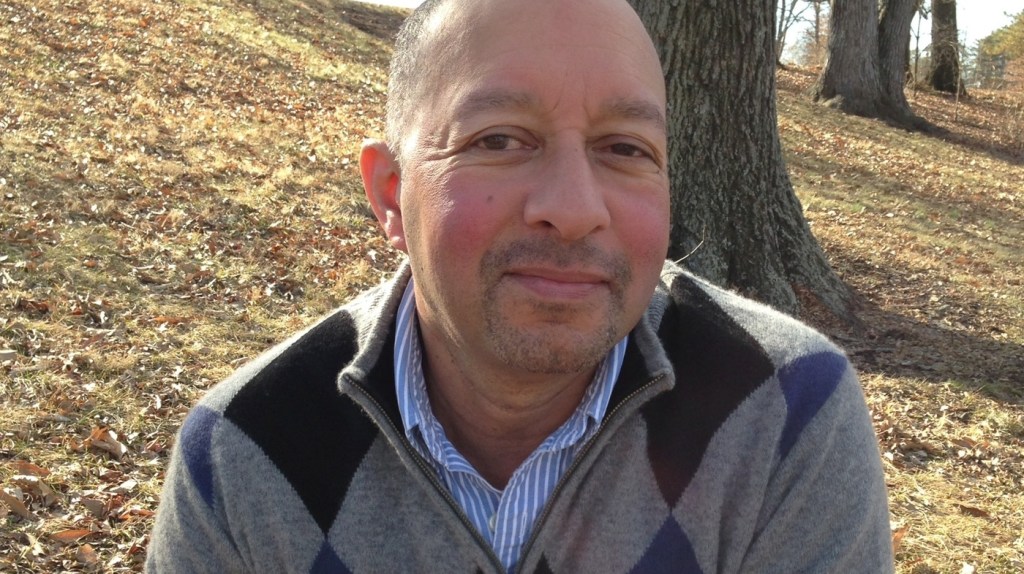
Carl Phillips

I don’t feel like my headline needs to say more than that to pique your interest. One of my top three working poets speaks. Audio at link.

Emergence Magazine is a quarterly online publication exploring the threads connecting ecology, culture, and spirituality. As we experience the desecration of our lands and waters, the extinguishing of species, and a loss of sacred connection to the Earth, we look to emerging stories. Each issue explores a theme through innovative digital media, as well as the written and spoken word. The Emergence Magazine podcast features exclusive interviews, narrated essays, stories, and more.

In this extended meditation on the relationship between place and intimacy, the body and the word, Carl Phillips walks among trees to explore what can and cannot be known.

dio at link.

Publishing needs address its ableism problem

A good piece on how things should change now that we know everyone doesn’t need to have an ass in particular seat near the boss to get things done. (Besides benefiting the disabled who have been systematically shut out of jobs that they might otherwise be qualified for, I’ve been saying for years that people removed from centres of business (like me) could also do these jobs. I keep getting offered positions in Toronto, Ottawa, New York, etc, — mostly comms and digital media jobs that could be done remotely — but I can’t leave here because my kids are here. Seemed dumb then, seems downright stupid now.)

Up until the Covid-19 pandemic, most book publishing jobs have required employees to work in the office with little room for remote flexibility. Now the same publishers who denied disabled and chronically ill people the ability to work from home are requesting that their staff do just that. Accommodations to work remotely are prioritized when public health issues affect everyone, including nondisabled staff, but are deemed impossible when the request comes from a disabled employee.

While there are definitely functions in publishing that can’t be performed entirely remotely, such as warehouse jobs and production jobs, the pandemic has made it clear many tasks can be completely or at least partially remote if publishers allow them to be. Over half of American workers could work from home at least some of the time, according to an analysis of data from the Bureau of Labor Statistics by research firm Global Workplace Analytics.

If there’s a lesson that publishers can learn from this pandemic, it’s that our industry needs more remote-friendly opportunities if we want to address the widespread ableism and inequality in publishing. We need more remote opportunities in book publishing. Of 166 recent job listings for positions at Hachette, Macmillan, Penguin Random House, Scholastic, and Simon & Schuster, only two specify that they are open to remote candidates, and one of those two is a contract position, not a full- or part-time job.

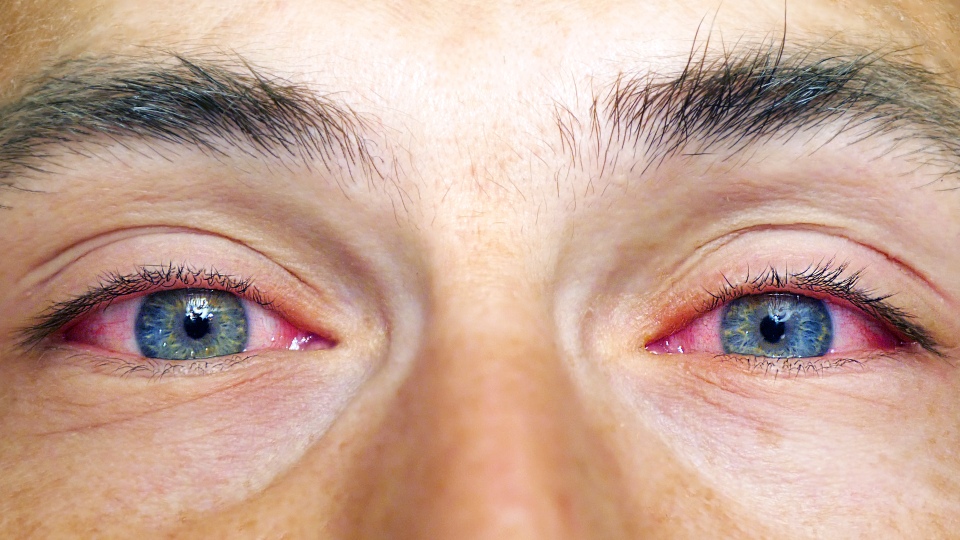
Happy 4/20 news dump

What was I just talking about? Oh, yes, the pandemic and books. Listen, last week we had a wicked plumbing disaster and I had to go to Home Depot in the burbs to rent some equipment and I was the only person in the store wearing a mask. People were looking at me like I was the problem. Increasingly I am beginning to suspect humanity is dividing into (at least) two separate species. I’m happy with the one I’m in, though I fear we are vastly outnumbered. Now pass me that bong.

On fiction as heritage preservation

Can you can keep something dear to you, like a grandparent’s house that is leaving the family, safe forever in fiction?

The fate of the abandoned house in my novel—and that of my family—is not a unique story. It is a story most every immigrant in America can tell of family land left alone too long or lingering in limbo, of migrants who had great plans to return home but who, after years abroad, find it hard to return to a place they’ve long left, a town empty of friends and family.

Jeff Bezos is obscenely profiting from the pandemic

Though not just him. It’s lots of billionaires and corporations. He’s just the (however obliquely now) books-related one I’ll focus on. Imagine being this obscenely wealthy and taking bailouts from the government (who frankly shouldn’t be bailing out billionaires). Bloomberg estimates Bezos is $24 Billion dollars richer because of government stimulus money. Fucking disgusting.

Yet Bezos and many of his wealthy peers have seen their fortunes recover in recent weeks, helped by the boost given to markets by unprecedented stimulus efforts by governments and central bankers. While the combined net worth of the world’s 500 richest people has dropped $553 billion this year, it has surged 20% from its low on March 23, according to the Bloomberg Billionaires Index

“The wealth gap, it’s only going to get wider with what’s going on now,” said Matt Maley, chief market strategist at Miller Tabak + Co. “The really wealthy people haven’t had to worry. Yes, they’re less wealthy, but you haven’t had to worry about putting food on the table or keeping a roof over your head.”

It’s not just the billionaires. Corporate insiders have been significant buyers of their companies’ shares, a show of confidence that the crisis will pass, even as the nation’s leaders debate exactly when Americans can safely return to work.

Has the ‘Rona reduced you to poetry?

I kid: you have been elevated! Between April being Poetry Month and the current pandemic, people are searching for meaning by turning to transcendental works — poetry specifically (for the more secular, I imagine). They’re even making a show out of poetry, somehow. But it’s not like you can just go from no-poetry to poetry-all-the-time and not feel overwhelmed. If you haven’t spent the last almost 30 years reading poetry like me, you’re probably wondering if you’re doing it right (pro tip: there probably isn’t a right way). So here are some training wheels for those intimidated by the thought of riding the poety bicycle.

April is National Poetry Month, so it’s the perfect time to be reading (and reciting) more poetry. Poetry helps us make sense of the world around us in a personal and deep way, so it’s a truly vital art form. If you’ve suffered some poetry-related trauma—perhaps a teacher graded you poorly for your interpretation of a poem, or maybe you’ve read something so obtuse it left you cold—you can come back around to loving poetry. If you’ve never cared much for poetry in the first place, there’s no more efficient way to get amazing words into your brain, so give it a try this month. Here are some frameworks for thinking about poetry, as well as beautiful poems to accompany them.