Love letter to indie bookshops

Harpers Bazaar has a reflection extolling the virtues of the indie bookshop. Some of my favourites have been: Three Lives in Manhattan, Book City and Type in Toronto, The Bookshelf in Guelph, etc. Sadly, I now live in a city without a single independent bookstore, so I’m a little cut off from that experience, despite living in the story-telling capital of Canada. What are your favourites?
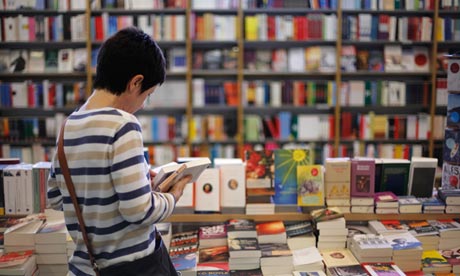
There’s nothing quite like an independent bookshop. From the wonderful smell of the paper as you walk in, the intriguing shelves full of coloured book spines, to the knowledge and personal commitment you sense from staff. Book stores are sanctuaries of discovery, creativity and possibility.

So many of us have turned to books during covid-19 – we have looked for escapism, inspiration, comfort and education. We’ve tried new recipes from our cookbooks and dreamed about our next holiday. Personally, I found myself searching for out of print wild flower illustration books by Majorie Blamey, I guess it was my way of connecting with nature from my dining room zoom table.
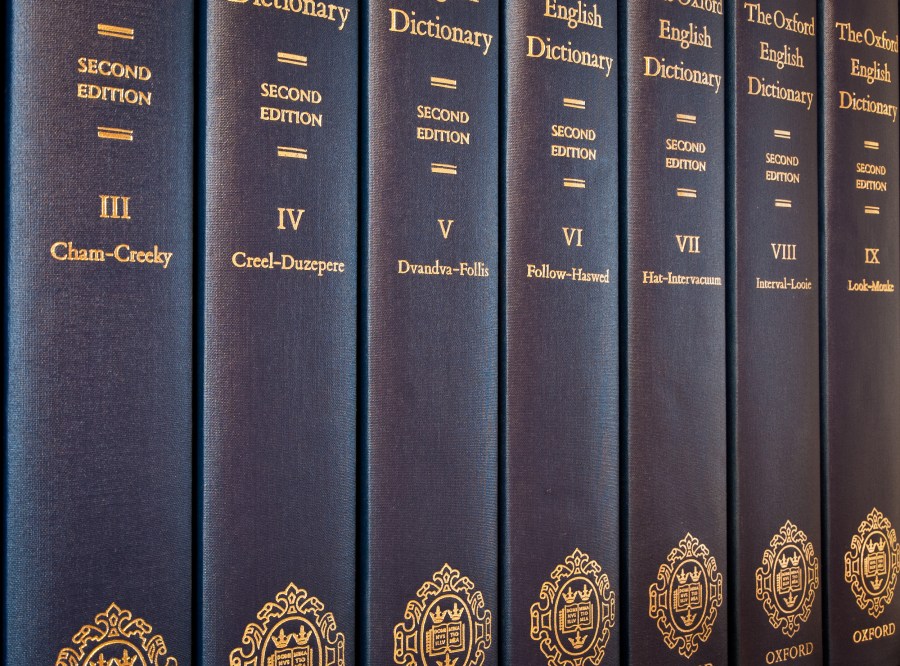
Is “irregardless” a word?

Firstly, it may be impactful and overwhelming to administrate alot of words that are utilized wrong these days, but removing them wholesale from the language is just disorientating. (FTR, the only words underlined as wrong when I compose this post were “impactful” and “alot”.) Which bizarro non-words would you like to see consigned to the trash heap of history?

The debate over the word is age-old (the word appeared in print as early as 1795) but continues to upset some people – teachers in particular. Evidencing the controversy over the word, Merriam-Webster’s own dictionary definition for irregardless includes a frequently asked questions section, for which the first question is: “Is irregardless a word?”

Merriam-Webster editor Peter Sokolowski tweeted a handy tip on how to deal with the news this weekend: “The trick is to remember that acknowledging existence and endorsing worth are not the same thing.” But somehow, we’re still not sure – here are four Guardian journalists explaining their takes.

On failure

Can failure be success? I tell my kids that failure is just a way of narrowing yourself down to success, like scratching off an item on the old to-do list. I failed 10 times in the last week to make that poem work, but now those possibilities are eliminated and I’m closing in on what does work. Of course, it just feels like shit at the time. And sometimes there are not enough years left to wade through the failures to find success, but I don’t tell them that part. A new book looks at the history of failure and how it’s used to work towards success.

“Fail again. Fail better,” wrote Samuel Beckett in what has become a familiar mantra in the world of business and tech start-ups – along with ‘Fail fast, fail better’ – where the notion of failure as a route to success has taken a firm hold. Recent years have seen a similar preoccupation seeping into literature, particularly in the memoir sector. Karl Ove Knausgård devoted several autobiographical volumes to everyday failures in My Struggle, and since then there has been a deluge of ‘fail-lit’, both in fiction and non-fiction. Could failure be the new literary success? And if so, doesn’t that mean it’s not really failure at all?

Dionne Brand is perhaps the smartest, most-eloquent person in Canada

Basically everything that comes out of that woman’s mouth or pen is exactly what I needed to hear at any given moment, and much of it is very uncomfortable to read. Years ago when the National Post had a brief run as the arts section to beat in Canada, I participated a sort of Canada-Reads for poetry (since it’s long been a beef of mine that “Canada Reads” is exclusively mainstream literary fiction, and I stand by my calls to rename it such: “Canada Reads Narrow Band of Mainstream Literary Fiction”, but I digress) and I championed Brand’s Inventory, which I still go back to to this day. I hope we one day have a world in which that book seems antiquated, but I don’t see it coming, frankly.

I don’t think that capital is in crisis, the neo-liberal state it created is in crisis.

Time in the city is usually taken up running around positioning oneself around this narrative of the normal. But the pandemic situates you in waiting. So much waiting, you gain clarity. You listen more attentively, more anxiously. “We must get the economy moving,” they say. And, “we must get people back to work,” they say. These hymns we’ve heard, these enticements to something called the normal, gesture us toward complicity. Most of my friends and family never stopped working anyway — they work in health and community services. The quarantine has alerted us all as to how much we’ve ceded to those (we put) in power. The state is in angst, too, about our political demands. It offers some the seduction but others the violence of the normative narrative. Because seriously, what is it to get people ‘back to work’ if there is no remedy or vaccine? If some people have never stopped working. If the only thing that has changed is the rate of infection not the presence of the virus? What is the calculation by which one arrives at this cruel expendability.

Monday news

In America, the band is still playing (spoiler: it’s the theme from Dukes of Hazzard) as the ship sinks, but up here it’s just another Monday, so here is your news for today:

What it’s like to be black in publishing

We live in (literally) Orwellian times, and none of us live moreso in the middle of this shitshow than BIPOC. The NYT asks an author, literary agent, marketer, publicist, editors and booksellers to talk about how their race has affected their careers. A must-read.

from the NYT article linked above

The nationwide protests against police brutality and racial injustice have set off conversations in nearly every industry about the treatment of Black workers, and book publishing is no exception.

The industry has long been criticized for hiring and retaining so few employees of color — according to a survey of the work force released this year by the children’s book publisher Lee & Low Books, only 5 percent are Black. But the calls to diversify have intensified in recent weeks, as Black professionals have publicly shared long-suppressed frustrations about how racial prejudice has affected their work. In publishing, that has included discussions of hiring practices, workplace microaggressions and publishing companies’ treatment of books by Black writers.

Publishers say they are listening. They are seeing books about race and racism dominate best-seller lists, and several companies have committed to changing their hiring practices and the books they publish.

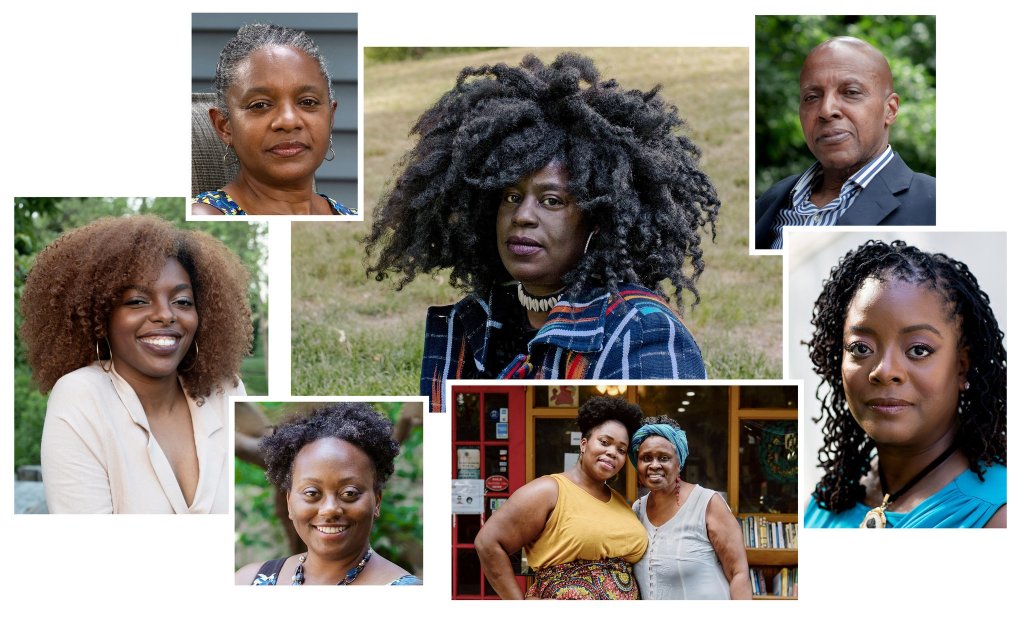
Eight publishing professionals — working in different facets of the industry, including an author, literary agent, marketer, publicist, editors and booksellers — told us what they are seeing now and what they’ve seen before, how being Black has affected their careers, and what they hope the future will bring. Here are their responses, which have been condensed and edited.

Happy national self-delusion weekend

It’s Canada Day in Canada, Memorial Day in NL, and Fourth of July down in Jesusland Plaguetown. If you love your respective country, please stay home and set off some fireworks in your backyard, unless you’re drinking, then watch the Flanderses next door do theirs. If you don’t love your country, by all means go jump into the the sea of bad decision-making that is public mingling and remove yourself or others in your gene pool out of the equation.

First black author to win British book prizes speaks out

She’s proud of her win, but not happy. We should all be ashamed that it’s taken this long and that the state of things in our industry is robbing her of the pure pleasure of this recognition of her work and talent. All the work of reminding the White establishment of what’s going on should be done within our White establishment and not forced to appear in the acceptance speeches of lauded Black authors, editors, and artists in our field.

I know how these prizes are meant to work. Having been in the industry for a while, and with the help of Wikipedia, I knew that no black woman, or indeed black person, has won that prize since the awards were started in 1994. Ever. So apparently, in the last 26 years, there has been no book by a black author seen to be deserving of that prize. I’m not downplaying my novel, I’m mainly proud of it, but still, I can’t feel completely happy about how things have gone.

In my second acceptance speech I ended up saying how sad it was that it had taken so long not just for a book like Queenie to be published, but to be given such attention in the industry and in the literary world. The last written words in the novel are #BlackLivesMatter, and it felt important for me to remind the overwhelmingly white publishing industry of this, especially at this time of great change and heightened awareness.