I added a page for searching the site. Click here or just look up and to the right. –G

Daily, Deadly, Duh

I added a page for searching the site. Click here or just look up and to the right. –G
A: Pay Marie Kondo to refill your condo with some personally curated crap. Well-played, Evil Super-Villain Kondo. If there’s one thing Western cultures like more than a touristy, spiritualamized dip into Eastern cultures, it’s getting back to buying useless shit. This woman is a genius.
Also, it’s fun to remember that another side of Ms. Kondo’s teachings is her cultural animism and non-dualism, the idea that we are inextricably connected to objects and spaces, and that those objects may have souls.
She has written of making allies of your belongings; connect to your pens and pencils, she says, and honor your clothes, you need their support. Buy the sustainably harvested beechwood computer brush, $35, and soothe your computer by swooshing its crumby, crusty surfaces. It may forestall a trip to the Genius Bar.
The guy behind both Bohemian Rhapsody (about the cult-like leader of millions of fanatics) and The Two Popes (about a strangely-dressed, much-loved pop culture icon deeply immersed in the politics of gay men) talks about what it takes to turn a good life story into a good biopic.
“The heart of most drama is in finding someone who wants something — and the interesting obstacles in the way. That’s true of all the people I’ve dealt with one way or another, whether it’s Freddie Mercury, Winston Churchill, Stephen Hawking or Pope Benedict XVI and Pope Francis. These individuals all found themselves with particular challenges.”
Fellow geriatriblogger Steven Beattie examines the legacy of the NYRB’s publishing arm dedicated to saving literatures gone-by. When I lived in Manhattan, my neighbour wast Edwin Frank, the editor of this program. Nice guy, and very down to earth. We had a few lunches and he hardly ever talked about publishing. It was delightful.

As a kind of literary counterpart to the Criterion Collection of classic and underappreciated cinema, it is appropriate that NYRB also has a collection of work focused on literature, film, art, music, and dance. Lillian Ross’s classic Picture, often considered one of the best books ever written about the craft and practice of movie making, was brought back into print this year to sit alongside filmmaker Robert Bresson’s musings about movies and creativity, Notes on the Cinematograph. Choreographer Agnes de Mille and jazz great Mezz Mezzrow also have titles back in print thanks to NYRB.
Well, speaking as a fella who is of North-West-Belfast stock, I can tell you what your mistake was: speed dating in Belfast. What is that, anyway? Like a bunch of people in wool looking at each other dourly for 10 minutes at a time? But I digress. This article is actually about hurdles women writers face.
…one of the big problems facing women writers is this: men aren’t brought up to be as sapiosexual as women. Ten years ago I went to a speed-dating event in Belfast where I told a succession of potential dates I was a writer and was met with a unanimous sense of disappointment. “I thought you might be a nurse,” one man said, his face falling.
It’s tough to be a writer. You should probably feel sorry for us and smother us in donations of alcohol and hugs. Special hugs. Fine, I’ll just take the beer.

Couple examples:
The realisation usually comes slowly. First there is the conspicuous absence of reviews, publicity spots and invitations to literary festivals. Then there is the all-too-swift removal of your title from the glamorous New Release section of the bookstore, and its relegation to the densely packed Australian fiction shelves in the bowels of the shop. Lastly and most humiliatingly, you see that the single copy of your book has been turned perpendicular to the wall, now only visible by its spine. At this point you know your novel has lived its short, inglorious life and there will be only a few more spluttering sales before it passes into the annals of the entirely ignored.
Next:
How do we survive if art comes from wounds?
Trauma, of course, arrives from many sources: the death of a family member, sexual assault, the psychological and physical abuse wreaked by dysfunctional families, discrimination’s poison, the catastrophe of war or famine, or any crushing event that reorients a child’s understanding of the world. The list of harsh surprises is probably endless. Perhaps that is why Gardner’s description of an art-generating wound resonates with any writer searching for the truths of his or her childhood. Damage survived through one’s art can be a heroic story we tell ourselves, a suspenseful tale of personal struggle and possible transcendence. For me, Gardner’s insight certainly helped shape my understanding of the secret imperative behind my early attempts at writing short stories: they were ripples that arose from but could never undo two defining events of my childhood.
A vintage Marvel comic that introduced characters like the Sub-Mariner (literally only slightly less-dumb a hero name than Aquaman, but clearly the superior, speedo-based beefcake suit) and The Human Torch sells for one and a quarter million at auction. Check your basements, nerds.

Dystopias? Those are so…. yesternow. What about “Solarpunk” and “Hopepunk”? Listen, I grew up with Reagan at the button. I’ve been pretty sure the world is in the shitter since I first shaved the sides of my head and donned some second-hand parade boots. Now you’re telling me there’s hope? Christ, I am old and out of touch.
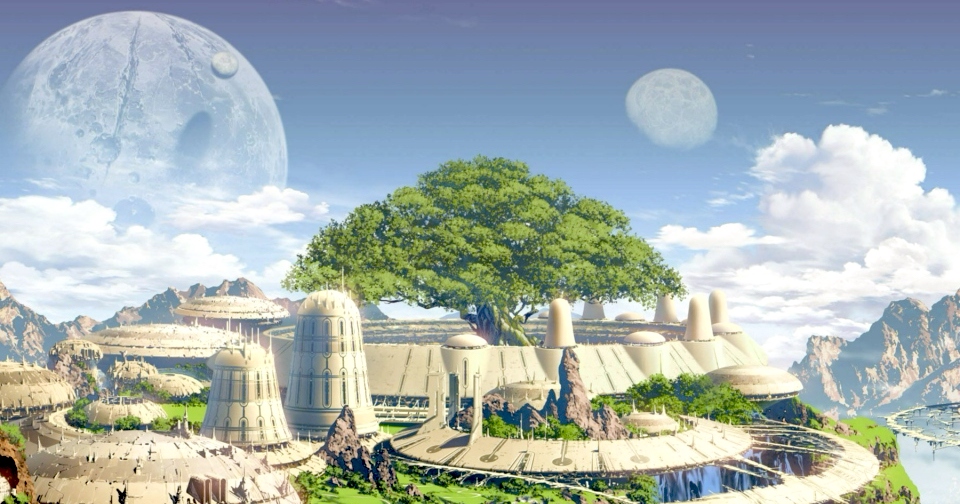
The narratives we construct, the stories we tell ourselves must acknowledge that, while there’s a scientific consensus that the atmosphere is warming due to our fossil fuel emissions, many aspects and extents of climate change remain uncertain. Writing non-apocalyptic climate change narratives can make room, intellectually and emotionally, for our failures to act sooner. Some things will be lost; much already has been.
I want to say to my students: Even if it is already too late, we have no way yet of knowing it is, because I am afraid they will still give up.
20 years is all it gets. Always sad to see a chance to pay a writer go away, but as much of a bummer as it is, if it’s not the start of a corporate exodus from the literary prize world, we should all be fine. There are lots of friggin awards.
In a statement, Taylor suggested that Canadian non-fiction readership is now thriving. “It became clear last year that we had achieved every goal Charles and I set out,” she says of the prize. “I am confident that the current interest in well-written Canadian non-fiction will continue to sustain and engage its readership.”
RBC Wealth Management, the prize’s sponsor, agreed with Taylor’s sentiment that the prize had fulfilled its purpose. “As the Prize wraps up, we share the Board’s sentiment that the genre is well-established in Canada,” Vijay Parmar, president, RBC PH&N Investment Counsel, said.
I love how nowhere does anyone say something like, “Yeah, RBC just wasn’t seeing the continued ROI, so they decided to fuck off with their billions and billions of profit made on the backs of Canadians and take the money elsewhere–elsewhere probably being 10 second ads on Candy Crush.”

Legendary illustrator and artist Alan Moore is foregoing his usual anarchism in favour of directing his legions of fans to stand up against right wing parties in the UK by supporting Labour. I largely agree with the man that most politicians are in it for themselves, regardless, but I am the sort of person who tries to change the system from within rather than just taking my ball and heading home. Glad to see another disheveled warrior take to the battlefield.
Moore, author of Watchmen and V for Vendetta, said that the last time he voted was more than 40 years ago, because he was “convinced that leaders are mostly of benefit to no one save themselves”. But these are unprecedented times, he said, and a victory for the Conservative party in December’s general election would leave Britain without “a culture, a society, or an environment in which we have the luxury of even imagining alternatives”.
 Bookninja