Oxford’s secret Dead Poets Society for women, circa 1912

I hope there are still many spaces and gatherings like this, but ones that are secret for the fun of it, not because they need to be to escape patriarchal persecution. (How the frig does LitHub get so many good articles? How do they pay people? Do they want to hire a Canadian editor? My questions are endless.)
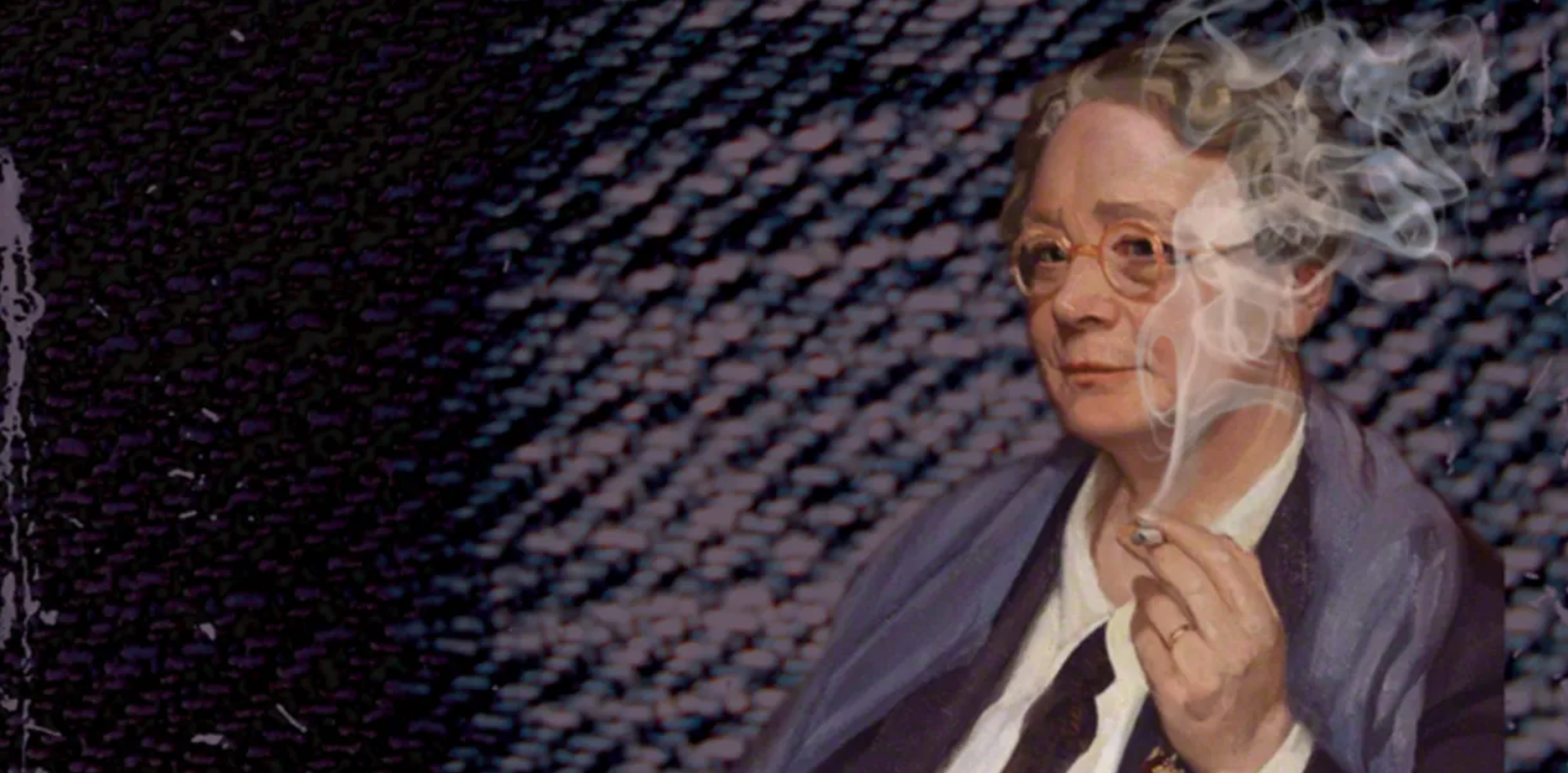
The group was named by its best-known member, Dorothy L. Sayers, who would go on to be a famous detective novelist and popular theologian. Let’s call ourselves the Mutual Admiration Society, she suggested, because that’s what people will call us anyway. The name both captures the spirit of the group and misrepresents it. They supported each other boldly and emphatically: no false modesty or feminine shame here. They were willing to be relentless and did not insist on being liked, crucial qualities for taking advantage of the real but tenuous space they had to work within. But they were the exact opposite of the simple echo chamber of praise that the name could imply, in its pejorative sense. They were critical, and they were at odds. They fell apart and came together again, over the course of decades and remarkable careers that ranged from birth control advocacy to genre fiction, from classrooms to the stage.
Nerds: Earth inherited, saved from dragons

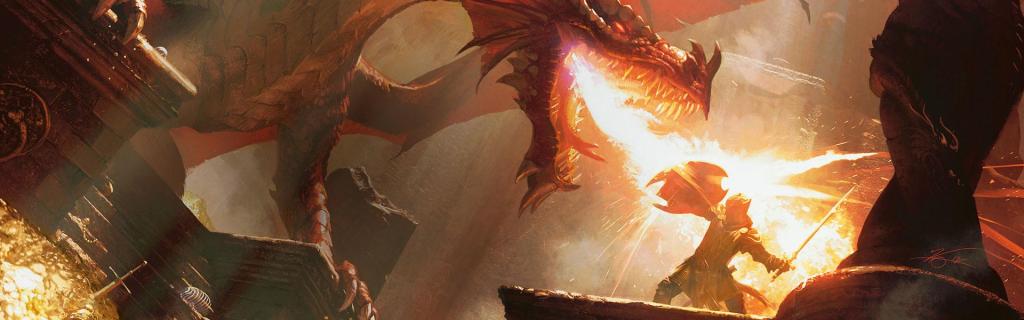
The meek and nerdy are now the bold and mighty. D&D has surged these last five years or so, largely because of a new, more accessible rules set and the (surprising to me) rise of live streaming (among other things, including celebrity admissions of fandom). People now willing to sit and watch a bunch of cosplaying nerds have a great time for 2+ hours at a time on Twitch, then go out and want to try it themselves. Who could have predicted this? What time to be alive. 12-year-old me would like to crit a few bullies in the nads for all the pain they put us through in ’83. Roll for initiative, jocks (and save versus my continued, but mighty, scorn).

(I started playing again about 5 years ago after 25 years off, mostly as a way to bridge the gap between our youngest and eldest children, and I even wrote an article about it for the Walrus. I now teach workshops to parents on how to play with their kids. Imagine sitting around a table for hours having a laugh over an exercise in shared story-telling. No phones, no computers, lots of eye-contact, pretending to be elves, and laughing. It’s the creamy middle ground between introversion and extroversion.

“Safe” old dead white guys

As we’ve learned, our shocked faces lit by the flickering light of the dumpster of our friendships and loyalties on fire in front of us, guys tend to be garbage. My pal Mark and I talk about this sometimes. We’ll mention a friend or colleague or celebrity’s name and say, Jesus, hopefully we don’t find out anything shitty about THIS one… This article offers three old dead white guys that can still be safely read without worrying you’re enabling the racist patriarchal combine… They THINK. Personally. I think I’ve had enough of old white guys…. wait. That’s me. Meh, still….

The easy remedy is to check out works by, you know, not dead old white guys. But also, not every dead old white guy is a shithead who should be ignored and/or forgotten (again, we think). And while a major lesson of #MeToo is that the “great guys” are also just as likely to be private shitheads, there are, by my count, at least three old white guys (all of whom are alive!) who are still “safe” to read (again, for now).

Novel advice

I’ve always found this NaNoWriMo thing to be eye-rolling nonsense. I’m less concerned with the idea of everything thinking they have a book in them than I am with the idea that they all think it’s a publishable thing. Go ahead and write your book–everyone can take a shot at it. But I submit that if you only took 30 days to do it, chances are you have 2+ years of editing ahead of you after. Anyway, two different articles on the idea of writing novels–one springing from how to get 50k words down in 30 days (any 50k will be fine, I’m sure) in as “fun” a way as possible, and one from a more traditional approach. As someone who is currently engaged in the practice of novel-writing, I’m not sure anything anyone says helps, works, or even slightly eases the doubt. My goal is to sleep well at night instead of worrying and show up during the day to do the work. Hopefully this pays off at some point.

“So you are the one who is going to reveal me for the charlatan that I am.”

Gobble up this lovely book excerpt on meeting Sam Beckett to help make it through the week, people. I’ll basically read anything Beckett related, but this one is very charming. And scary. Kind of perfect for the old hawk.

I was struck by what I thought was scorn in his voice and a cold lack of expression on his face, and I was unable to speak. The silence deepened as he stared and stared—and stared. I don’t remember my exact reply to such a stunning declaration, but it was probably something stammering, perhaps even silly, for I was a young woman proposing an ambitious project for which I wanted his cooperation, even though I had no idea how to go about it. Several months earlier I had sent Beckett a letter volunteering to write his biography, and to my amazement he had replied immediately, saying that any biographical information he had was at my disposal and if I came to Paris he would see me. Imagine then, my shock at his initial greeting. 

Imagine having been one of Obama’s speechwriters…

Jebus, that would be nerve racking. Like being Trump’s McDonald’s burger cook. Will he like it? Is my hamberder presidential enough? Will he notice the middle bun is toasted to perfection? Will he be critical of my iceberg lettuce and reconstituted onions placement? He’s such an expert. Look at the way he saves that glob of secret sauce there on the corner of his orange mouth, waiting for the perfect moment to wipe it on the cuff of his tent-like suit. Majestic.

Speeches that might have been entirely conceived and exclusively written by a speechwriter under any other president received from Obama large quantities of that scarcest of presidential resources—time.

One obscure speech that received such abundant presidential attention came in early 2010, when Obama agreed to speak on Martin Luther King Weekend at Vermont Avenue Baptist Church, near the White House. The speech would take place days before Scott Brown’s victory in the Massachusetts special election to fill Ted Kennedy’s seat threw health-care reform in doubt.

It was not lost on America’s first black president, of course, that his frequent collaborator on civil rights speeches was white. “Go as far as you can on this,” he had instructed on another set of remarks after tasking me with writing about some of the challenges in the African American community. “There may be some things you may not feel comfortable saying that I need to write myself.”

The origin of fairy tales

Before the Grimms came in and mucked it all up, were fairy tales invented by high-society women trying to improve their lot in life?

God, I want a portrait done like this.

Women’s lives during this period were deeply constrained. They were married as young as 15 in arranged unions to protect family property, often to men many years older than themselves. They could not divorce, work, nor control their inheritances. And where husbands were allowed mistresses, women could be sent to a convent for two years as punishment for so much as the whiff of rumour at having taken a lover.

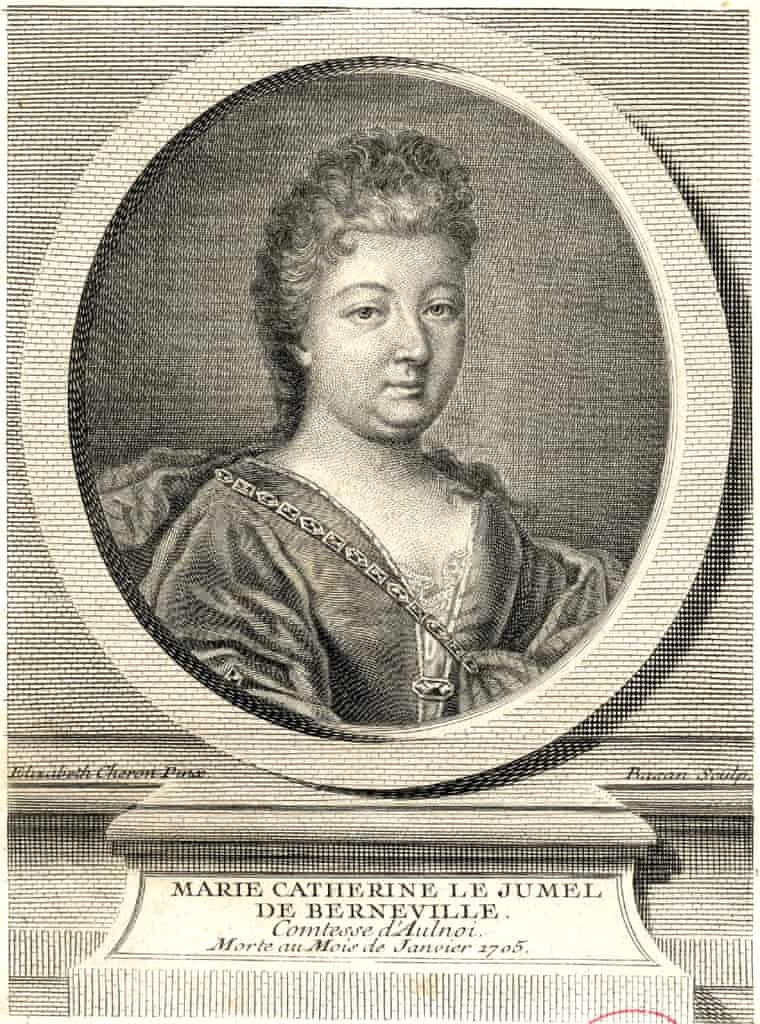
It was in the repressive milieu of the troubled last decade of 17th century France that fairytales crystallised as a genre. Performed and recited in literary salons, from 1697 the fairytales of D’Aulnoy, Comtesse Henriette-Julie de Murat, Mademoiselle L’Héritier and Madame Charlotte-Rose de la Force were gathered into collections and published.